Category Gemstone History & Civilisations

Tibetan Gau Amulets: Sacred Buddhist Reliquaries, Protective Prayers and Gemstone Symbolism
Tibetan Gau Amulet

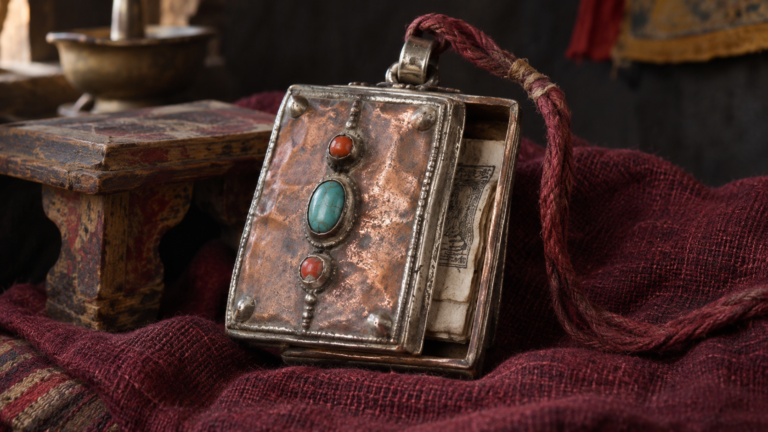
In Tibetan Buddhist traditions, small portable reliquary boxes known as gau or ga-u have carried sacred images, prayers and blessed objects close to the body. Sometimes decorated with precious stones, these remarkable amulets connect religious devotion, Himalayan craftsmanship and beliefs about spiritual protection. Explore their documented history, cultural significance and the distinction between Buddhist sacred practice and modern crystal-energy claims.
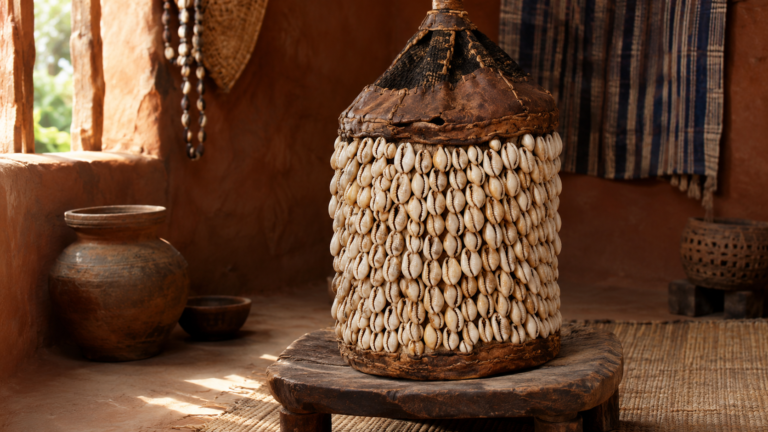
Cowrie Shells in Yoruba Spiritual Traditions: Sacred Wealth, Orí and the Symbolism of Destiny

Cowrie Shells in Yoruba Spirituality

Long before cowrie shells became familiar decorations in modern spiritual jewellery, they held important economic, artistic and religious meanings among Yoruba communities of West Africa. Used as currency, ritual offerings and ornaments for sacred objects, cowries could express prosperity, personal destiny and relationships with spiritual forces. Discover the documented history of these remarkable marine shells and how their cultural significance differs from modern crystal-healing claims.

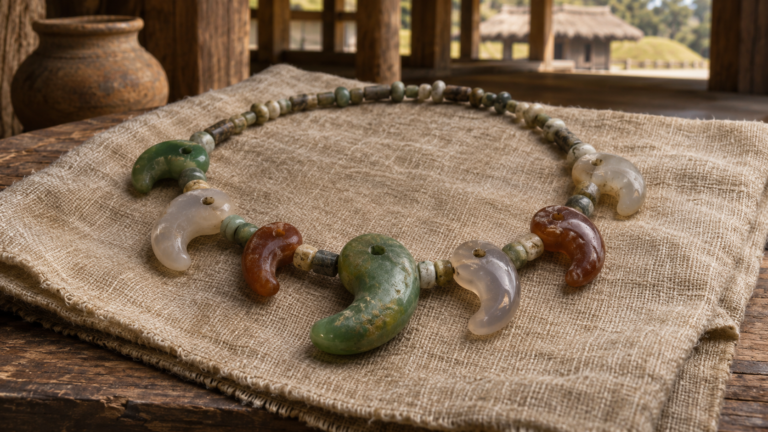
Japanese Magatama: Sacred Curved Beads, Kofun Rituals and the Imperial Regalia

japanese magatama

Long before modern crystal-healing traditions, curved gemstone beads known as magatama were worn and buried in ancient Japan. Crafted from agate, jadeite, jasper and other materials, these distinctive ornaments became associated with social rank, ritual authority and, eventually, Japan's imperial mythology. Discover their archaeological history, mysterious shape and enduring religious significance.

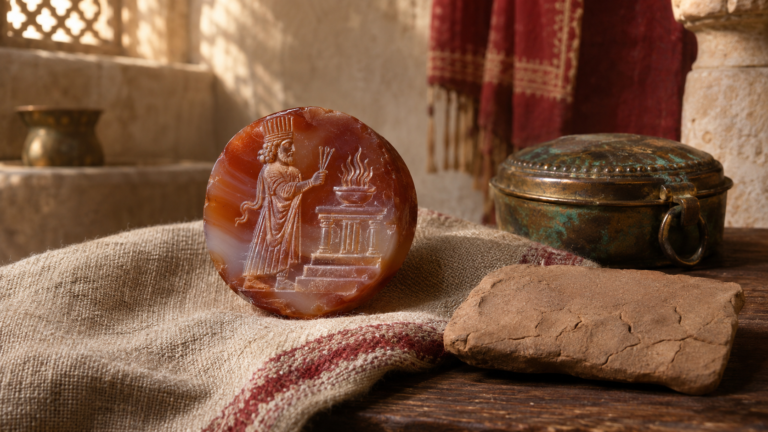
Agate Seals of Ancient Persia: Sacred Fire, Zoroastrian Symbolism and Sasanian Beliefs

sasanian ancient seals - agate seal

In ancient Persia, a small engraved agate could carry a person's identity alongside imagery of sacred fire, ritual implements and powerful animals. Surviving Sasanian seals reveal a fascinating intersection of Zoroastrian religious traditions, administrative authority and gemstone craftsmanship. Discover how these miniature objects connected practical life with spiritual symbolism-and what modern gemmology tells us about the stones themselves.

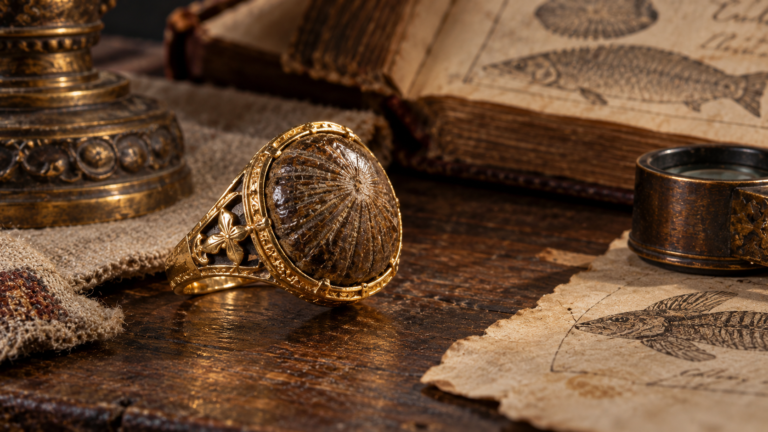
Toadstones: The Medieval Gemstone Believed to Detect Poison

toadstone amulet history

For centuries, Europeans believed that a mysterious gemstone grew inside the head of a toad. Set into gold rings, these so-called toadstones were credited with detecting poison, protecting their wearers and treating disease. Yet the stones were actually fossilised teeth from prehistoric fish. Explore their remarkable journey from Jurassic waters to medieval jewellery, Renaissance medicine and surviving museum collections.

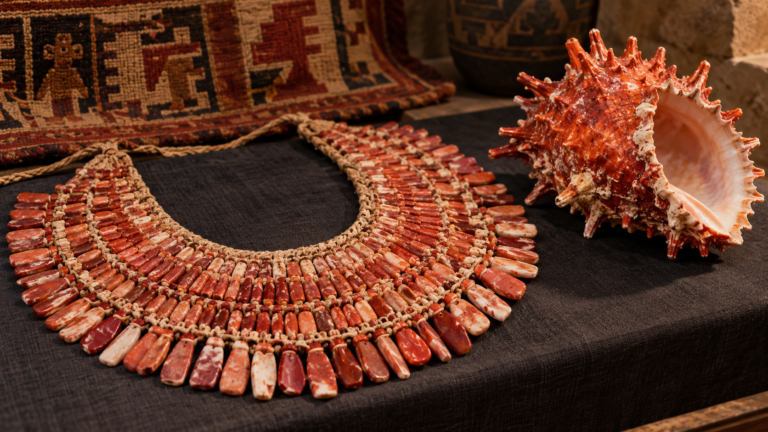
Spondylus Shell in Ancient Andean Spirituality: The Sacred Gift of the Sea

Spondylus Shell in Ancient Andean Spirituality

Why did ancient Andean societies value a brilliantly coloured seashell so highly that it became part of royal ornaments, agricultural offerings and sacred ceremonies? Explore the remarkable history of Spondylus, known as mullu, from the coastal workshops of ancient Peru to an extraordinary Inca offering discovered beneath Lake Titicaca. Discover the relationship between marine biology, long-distance trade, religious symbolism and the spiritual importance of water in the Andes.

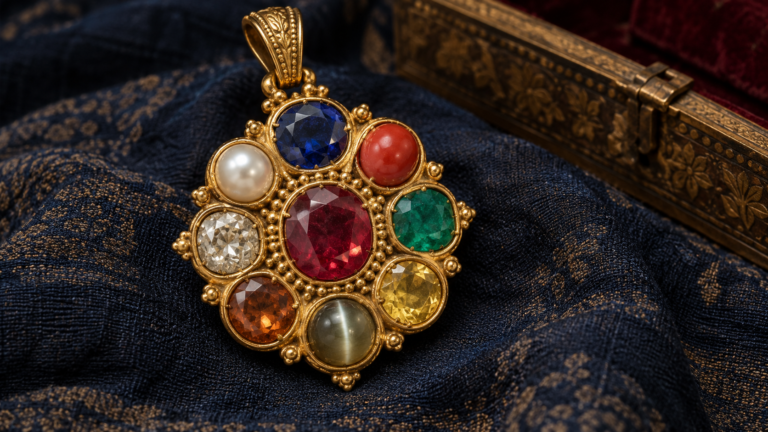
Blue Sapphire and Shani: Sacred Gemstone Beliefs, Saturn and the Nine Jewels of India

blue sapphire shani spiritual symbolism

In South Asian astrological traditions, blue sapphire occupies an unusually complex position. Associated with Shani, the planetary deity of Saturn, it has been regarded both as a potentially challenging gemstone and as an important component of protective nine-gem jewellery. Explore the history of navaratna, the religious symbolism of planetary gemstones, remarkable surviving Indian jewels and the scientific properties of natural sapphire. A historically grounded examination of spiritual belief, cultural tradition and gemmological evidence.

Sacred Pipestone: Native American Stone Traditions, Spiritual Symbolism and the Red Quarries of Minnesota

Sacred Pipestone Native American Traditions

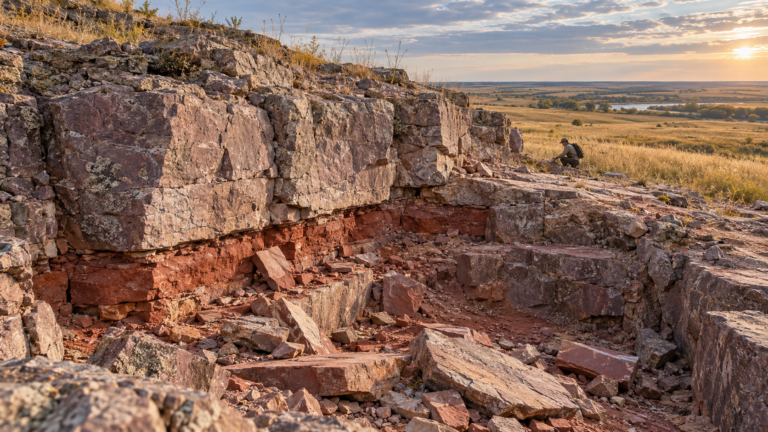
For thousands of years, Indigenous peoples have travelled to the red pipestone quarries of southwestern Minnesota. Here, a remarkably soft natural stone became central to sacred pipe traditions, prayer, cultural identity and relationships with the land. Explore the geology of catlinite, the spiritual traditions of the Dakota and Lakota peoples, the history of quarrying rights and the continuing importance of this remarkable sacred landscape. A historically grounded examination of Indigenous beliefs and scientifically established mineral properties.

Hematite in Ancient Babylon: Sacred Cylinder Seals, Divine Protection and Mesopotamian Beliefs

hematite in ancient babylon civilisations

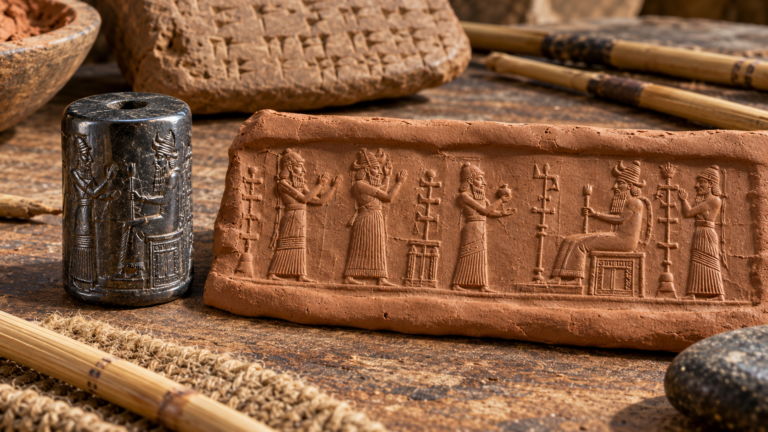
Nearly four thousand years ago, skilled Mesopotamian artisans engraved miniature religious scenes into dark, polished hematite. These remarkable cylinder seals served as personal signatures, administrative instruments and, in certain contexts, protective amulets. Discover how Babylonian beliefs concerning Ishtar, Shamash and Amurru became part of gemstone craftsmanship, why hematite was valued for seal production, and how archaeology distinguishes documented religious traditions from modern crystal-healing claims.

Gemstones in Ancient Egypt: Natural Minerals, Sacred Colours and the Science of Egyptian Jewellery

gemstones in ancient egypt

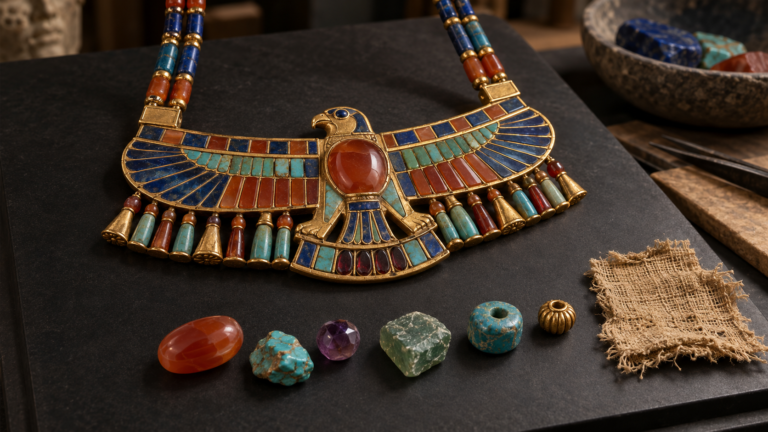
Ancient Egyptian jewellery combined natural gemstones, sophisticated craftsmanship and powerful cultural symbolism. Discover how turquoise, carnelian, amethyst, garnet and green feldspar were used alongside manufactured materials such as Egyptian faience. Explore the science behind their colours, the origins of their materials and what modern gemmological research reveals about surviving Egyptian treasures.