Category Gemstone History & Civilisations

Ancient Gemstone Engraving: How Civilisations Created Intaglios and Cameos
ancient gemstone engraving

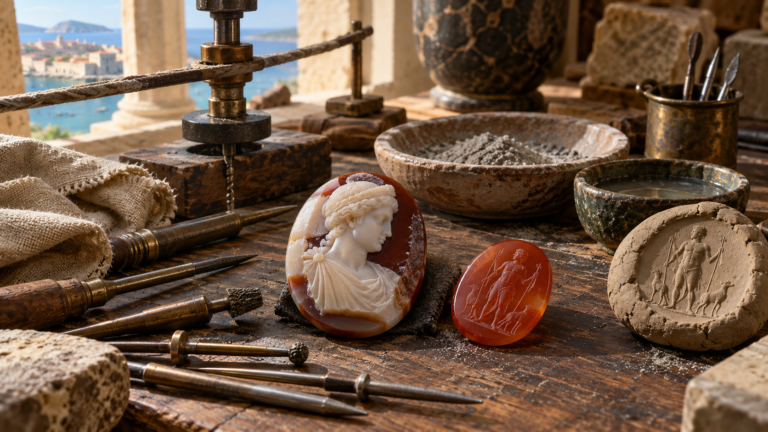
Ancient gemstone engravers transformed natural minerals into extraordinary miniature works of art. From Mesopotamian cylinder seals to Greek intaglios and Roman sardonyx cameos, discover how craftsmen carved gemstones, selected suitable minerals and created objects that served as personal signatures, jewellery, religious symbols and expressions of political authority.
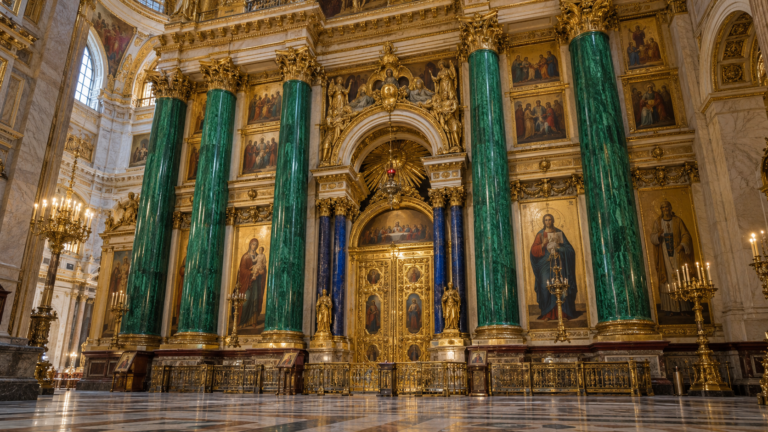
Malachite in Russian Orthodox Churches: Sacred Architecture, Imperial Power and the Art of Stone

Malachite in Russian Orthodox churches

In nineteenth-century Saint Petersburg, Russian artisans transformed fragile green malachite into monumental architectural surfaces inside one of the empire's most important Orthodox cathedrals. Discover how gemstones entered sacred architecture, why the iconostasis held profound religious significance, and how the extraordinary technique of Russian mosaic created the illusion of enormous solid malachite columns. This historical exploration separates documented religious tradition, imperial craftsmanship and mineralogical science from modern metaphysical interpretations.

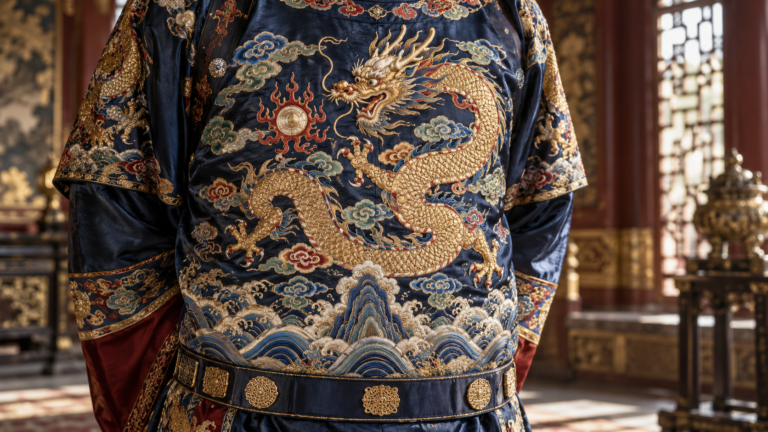
The Dragon and the Flaming Pearl: Wisdom, Rain and Sacred Pearl Symbolism in Imperial China

Intricate dragon embroidery on robe.

For centuries, Chinese dragons have twisted through clouds, waves and imperial robes in pursuit of a luminous object usually called the flaming pearl. Modern explanations often identify it simply as a symbol of wisdom, but historical scholarship reveals a more complex story involving rain, cosmic imagery, imperial authority and evolving artistic traditions. Discover the difference between this mysterious symbolic jewel and real natural pearls, how the motif developed from the Tang period onward, and why one of Chinese art’s most familiar “gemstones” remains surprisingly difficult to interpret.

Gemstones Along the Ancient Silk Roads: Trade, Civilisations and the Journey of Precious Minerals

Gemstones Along the Ancient Silk Roads

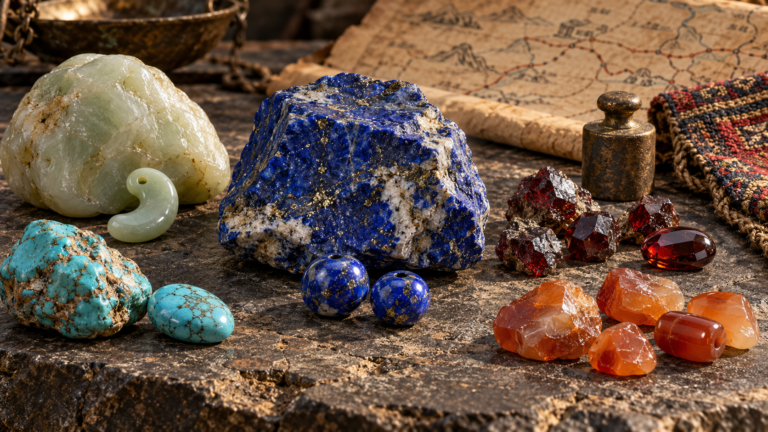
From the lapis lazuli mines of Afghanistan to the jade-producing regions of Central Asia and the garnet workshops of early medieval Europe, precious minerals travelled extraordinary distances. Explore how the ancient Silk Roads connected gemstone sources, merchants, artisans and civilisations—and how modern science helps reconstruct these remarkable journeys.

Sacred Coral of the Kingdom of Benin: Royal Power, Olokun and the Spiritual Meaning of Red Beads

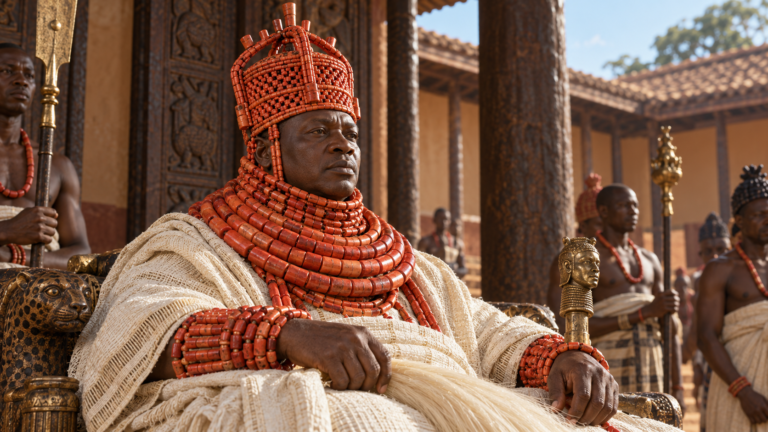
coral symbolism in the kingdom of benin -Regal figure adorned with coral jewelry.

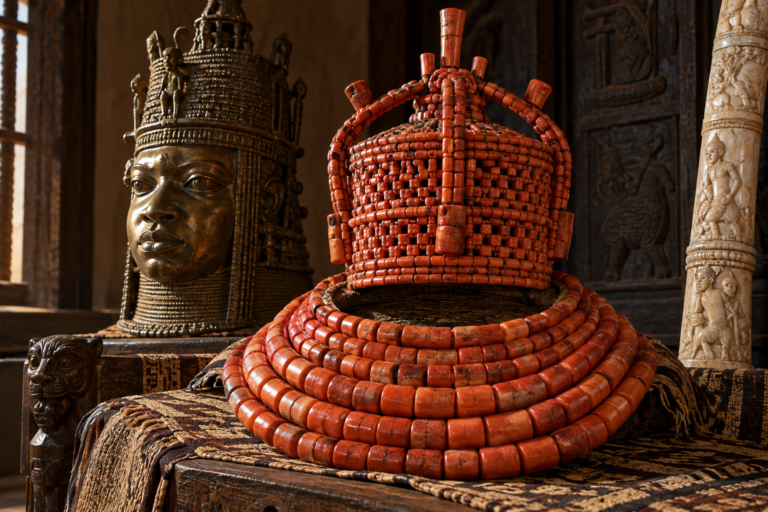
In the historic Kingdom of Benin, red coral was far more than a beautiful ornamental material. Imported through maritime trade, coral beads became powerful symbols of royal authority, sacred legitimacy and the spiritual relationship between the Oba and Olokun, the deity associated with the waters. Elaborate coral crowns, necklaces and ceremonial garments expressed a sophisticated system of political and religious symbolism. Explore the history, gemmology and cultural significance of these remarkable objects, including the traditions that continue to connect coral with Edo identity.

Spondylus: The Sacred Shell of the Andes and Its Connection to Rain, Fertility and Inca Rituals

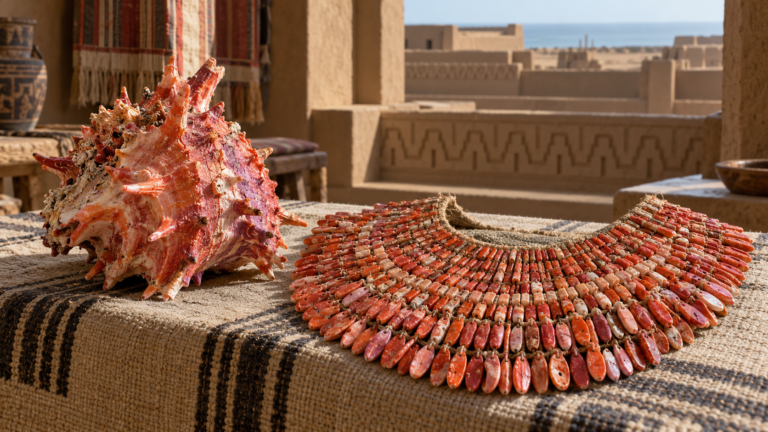
Spondylus shell spiritual symbolism

In the ancient Andes, one of the most spiritually significant materials was neither gold nor a precious gemstone. It was a brilliantly coloured marine shell known as Spondylus, or mullu. Transported from the warm Pacific waters near Ecuador into the mountains of Peru, these remarkable shells became associated with water, agricultural fertility, sacred offerings and political authority. Archaeological discoveries reveal how the Chimú and Inca transformed Spondylus into elaborate jewellery, miniature figures and ceremonial objects. Explore the extraordinary history of a natural material whose cultural value could exceed that of gold.

Obsidian Mirrors at Çatalhöyük: Ancient Reflections, Ritual Mysteries and the Spiritual Meaning of Volcanic Glass

Obsidian Mirrors at Çatalhöyük

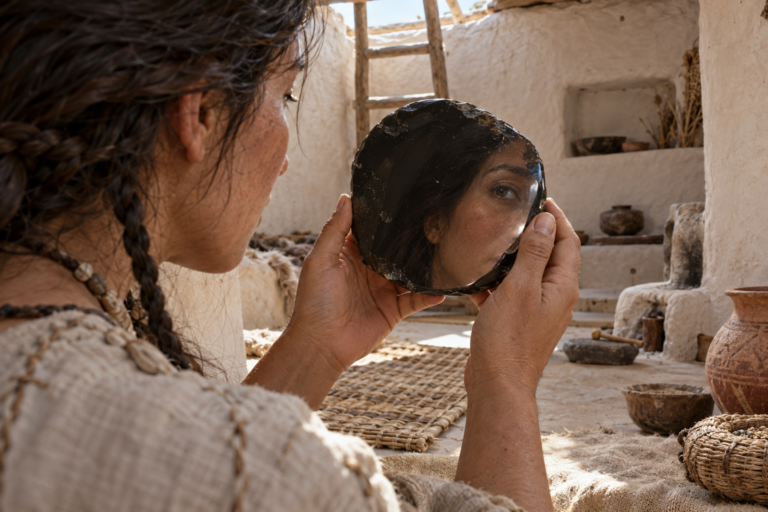
Approximately 8,000 years ago, inhabitants of Çatalhöyük in central Anatolia transformed volcanic glass into remarkably polished mirrors. These rare archaeological objects reveal sophisticated prehistoric craftsmanship, long-distance material exchange and intriguing questions about how early communities understood reflection. Were they practical objects, prestigious possessions or instruments associated with ritual life? Discover what archaeological evidence establishes, what remains uncertain and why the history of obsidian mirrors is far more compelling than modern claims about crystal energy.

The Gemstones of Ancient Egypt: Minerals, Mining, Jewellery and the Meaning of Colour

gemstones of ancient egypt

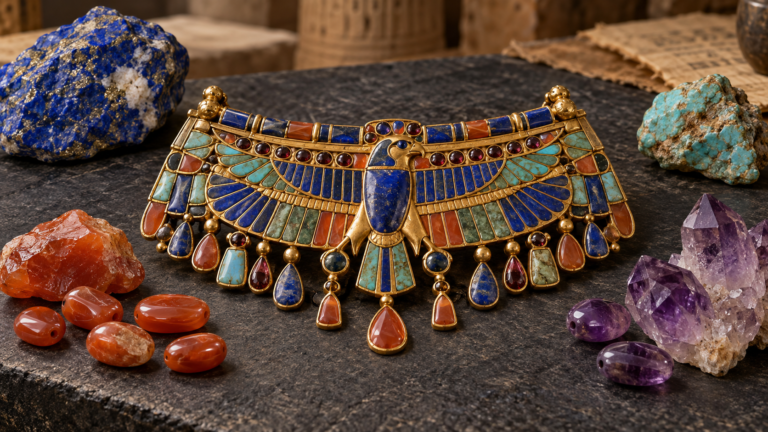
Ancient Egyptian jewellery reveals an extraordinary understanding of coloured stones. Discover how turquoise was mined in Sinai, amethyst was extracted from the Eastern Desert, and imported lapis lazuli reached the Nile Valley. Explore the mineralogy, craftsmanship and cultural meaning behind some of history's most remarkable gemstone artefacts.

Coral and Sacred Kingship in the Kingdom of Benin: Olokun, Royal Regalia and the Spiritual Power of the Sea

coral spiritual meaning Kingdom of Benin

In the historic Kingdom of Benin, coral was far more than a beautiful material imported from distant seas. Its brilliant red beads became powerful symbols of royal authority, wealth and spiritual relationships with Olokun, the deity associated with the sea. Worn in elaborate crowns, collars and ceremonial regalia, coral helped distinguish the Oba from his subjects while participating in rituals that renewed royal authority. Discover how the Edo people transformed an organic marine material into one of West Africa's most remarkable expressions of sacred kingship—and why its traditional meaning cannot be reduced to modern crystal-healing claims.