
Explore gemstone history across civilisations, from the earliest documented discoveries of natural gemstones and ancient mining to historic trade routes, jewellery, sacred objects and the changing value and symbolism attributed to gemstones through time.
Latest Gemstone History Articles
-
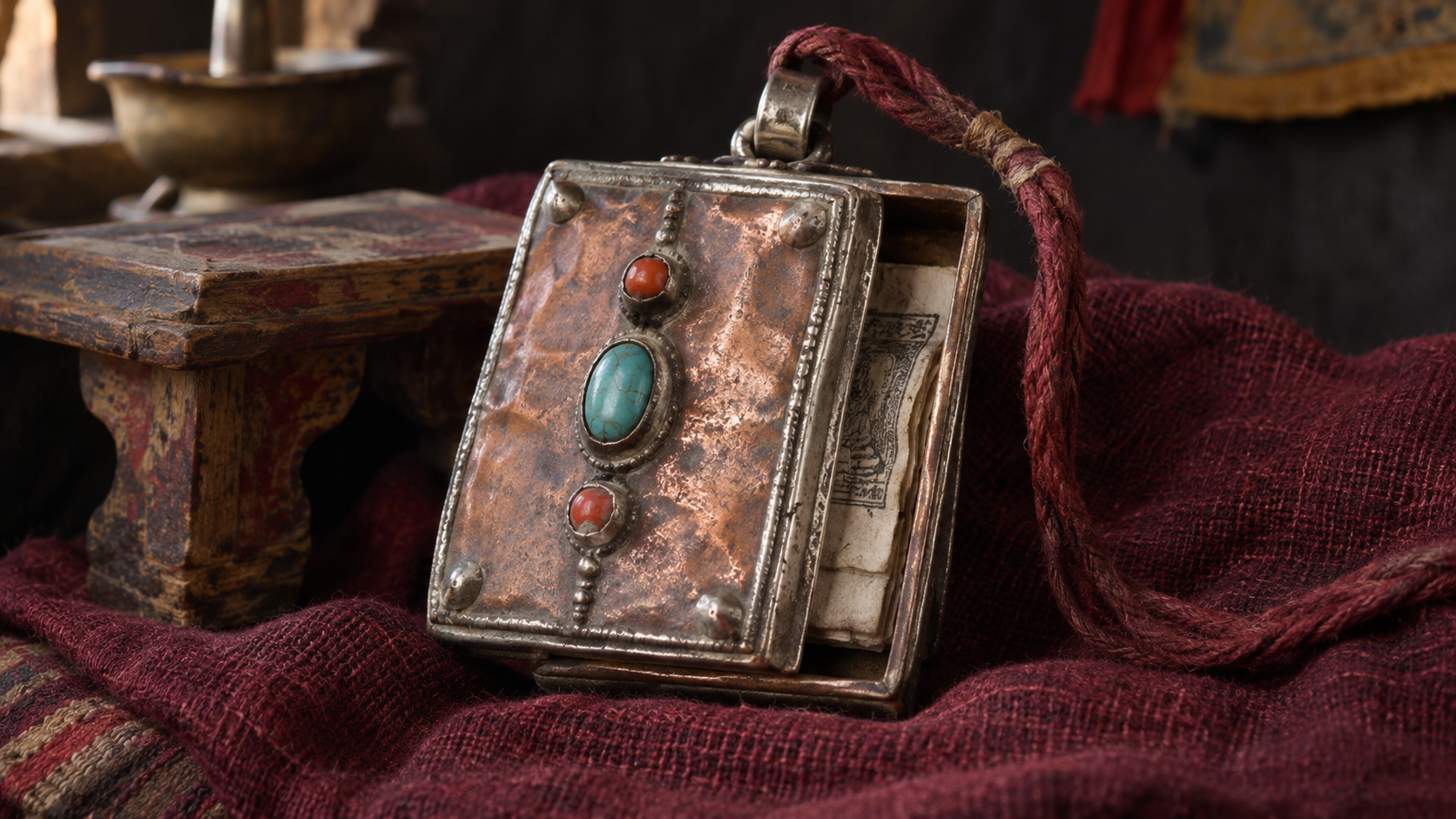
Tibetan Gau Amulets: Sacred Buddhist Reliquaries, Protective Prayers and Gemstone Symbolism
-
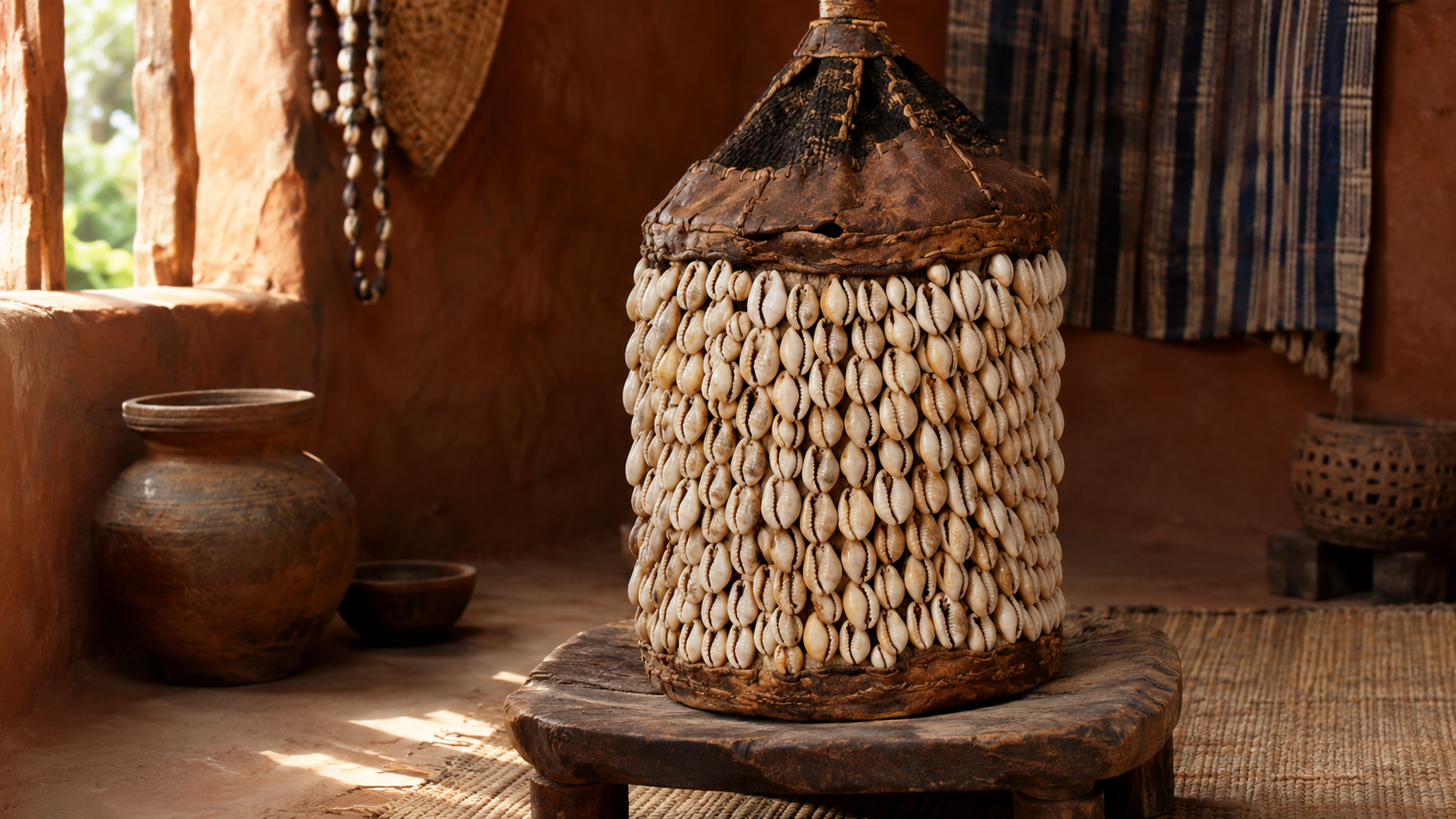
Cowrie Shells in Yoruba Spiritual Traditions: Sacred Wealth, Orí and the Symbolism of Destiny
-
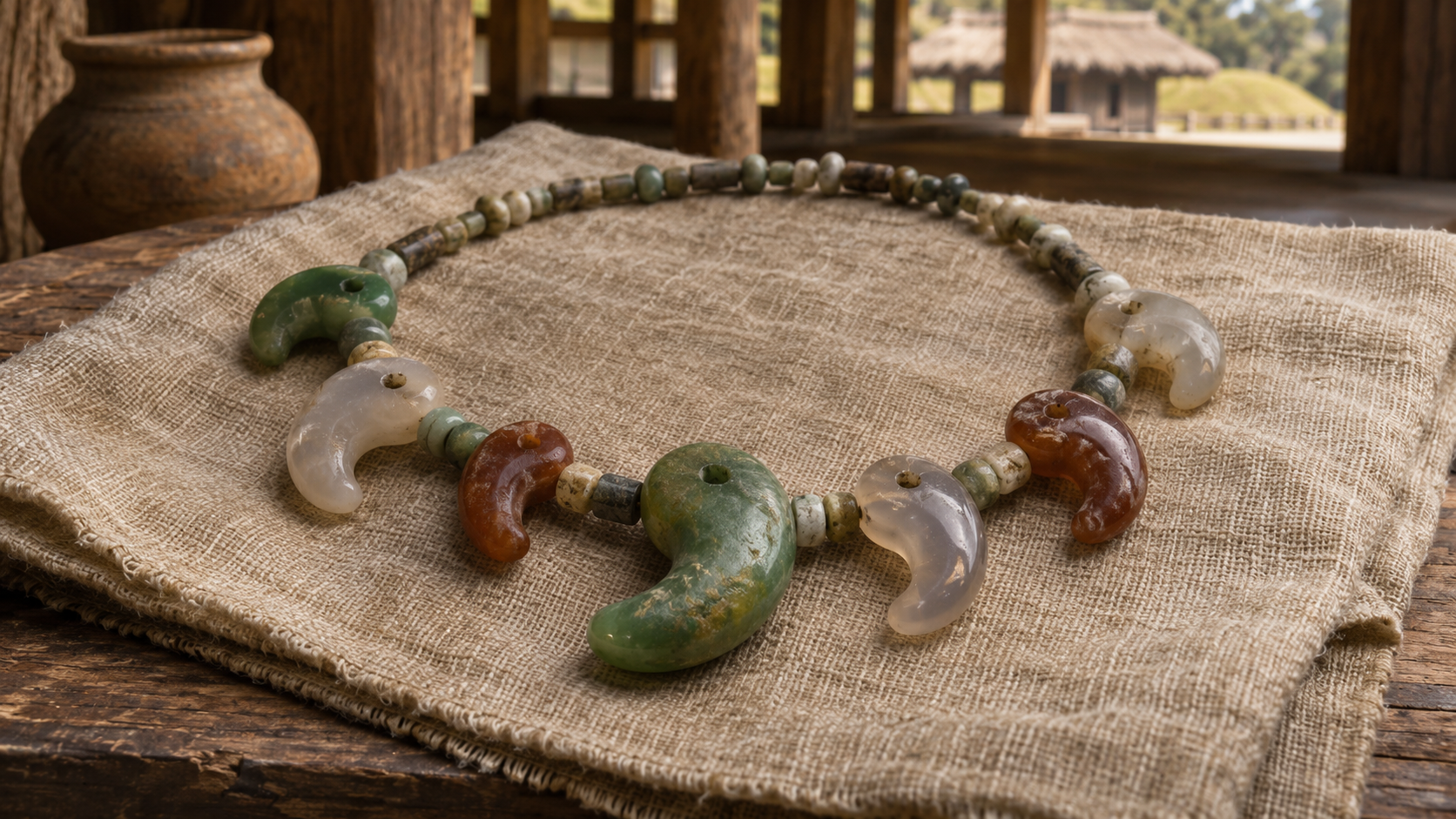
Japanese Magatama: Sacred Curved Beads, Kofun Rituals and the Imperial Regalia
-
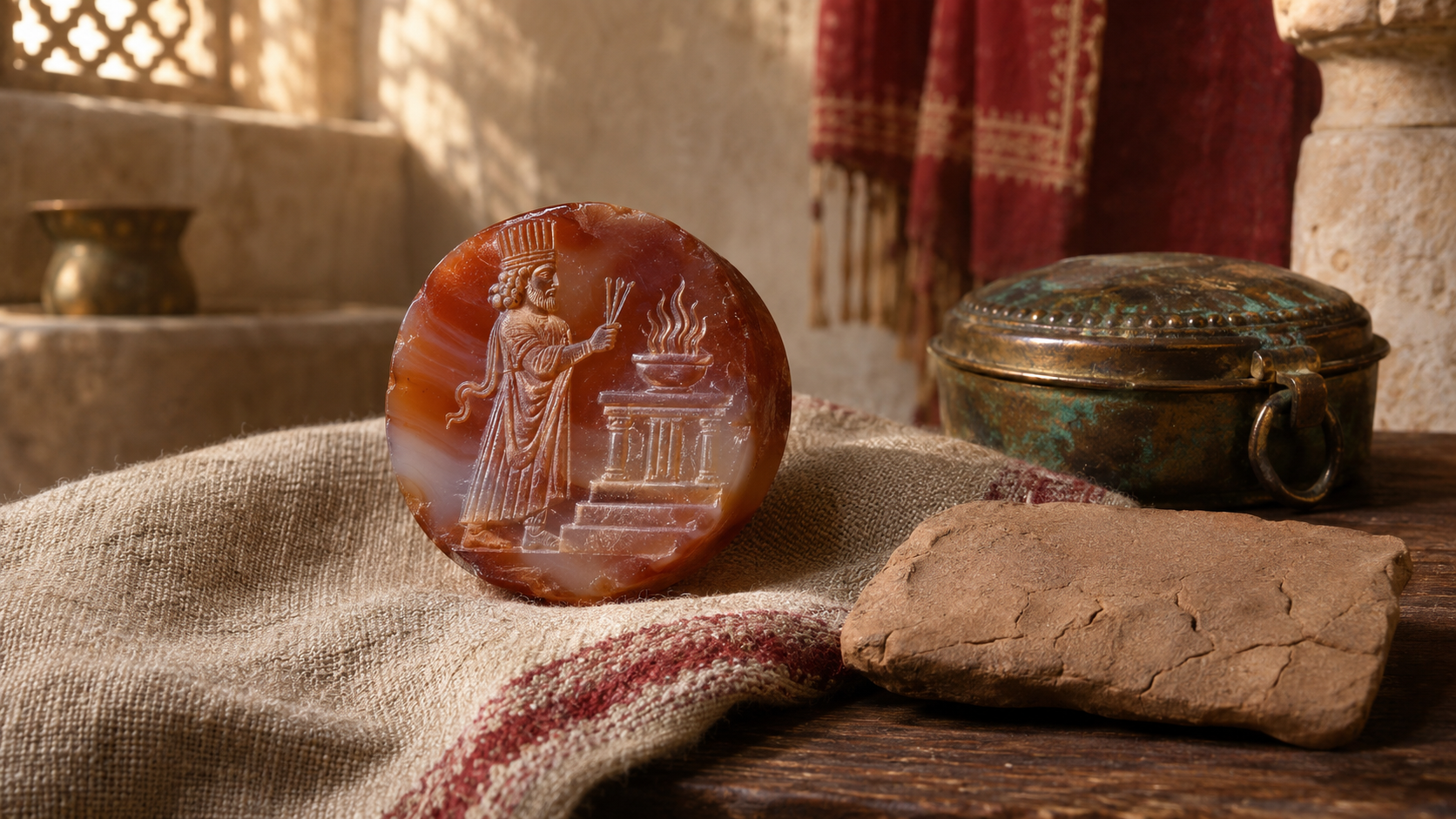
Agate Seals of Ancient Persia: Sacred Fire, Zoroastrian Symbolism and Sasanian Beliefs
-
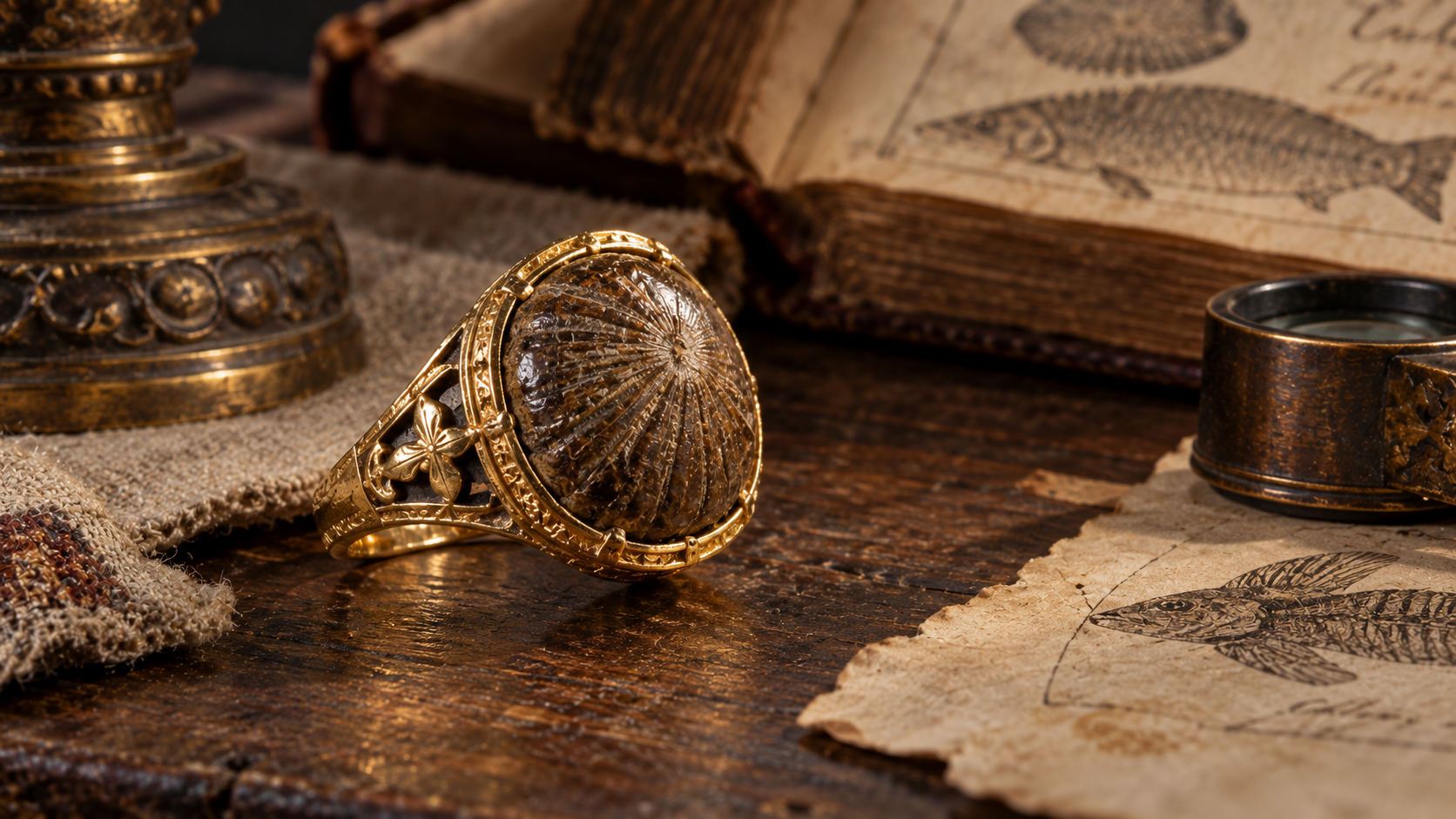
Toadstones: The Medieval Gemstone Believed to Detect Poison
-
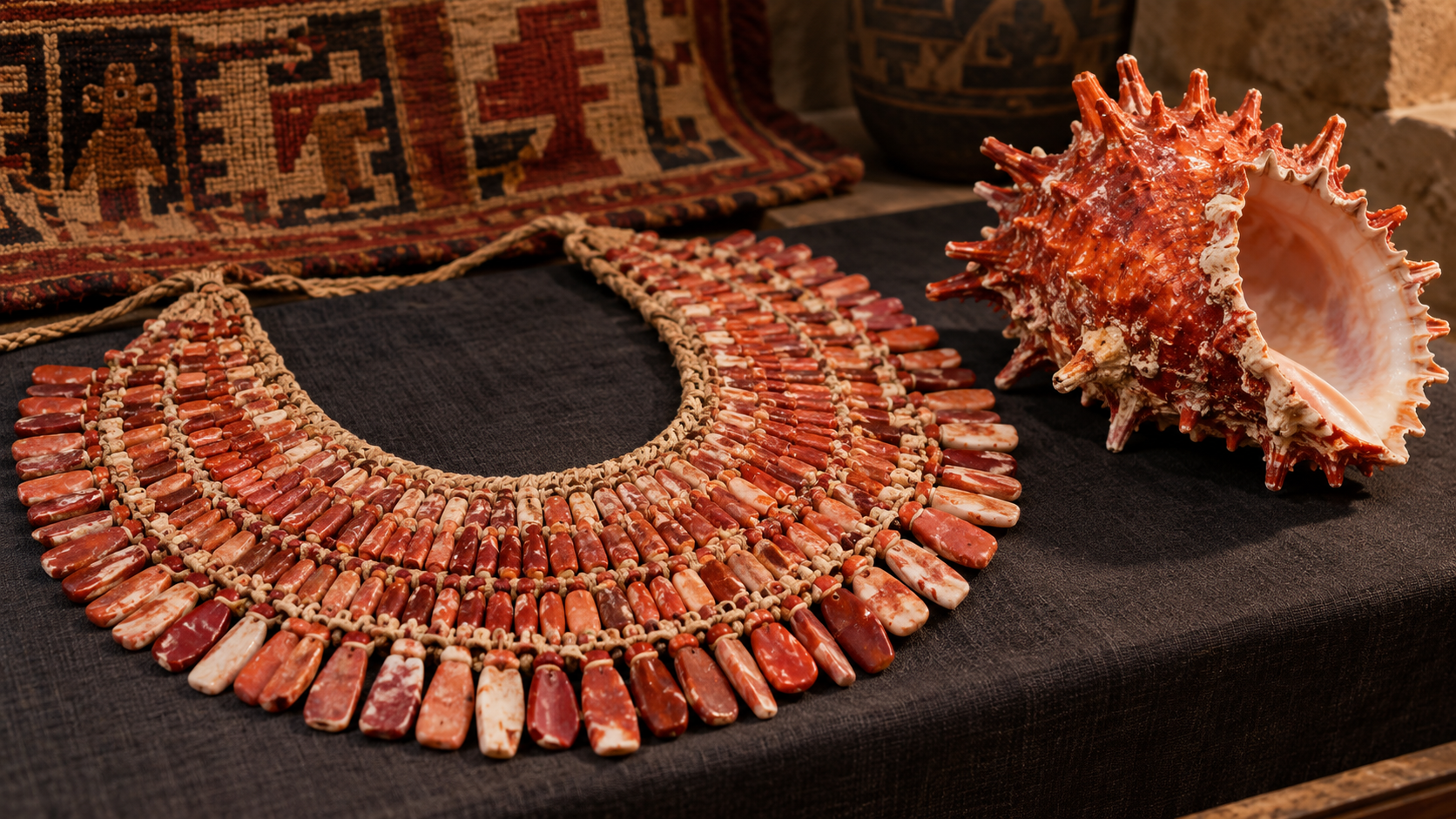
Spondylus Shell in Ancient Andean Spirituality: The Sacred Gift of the Sea
-
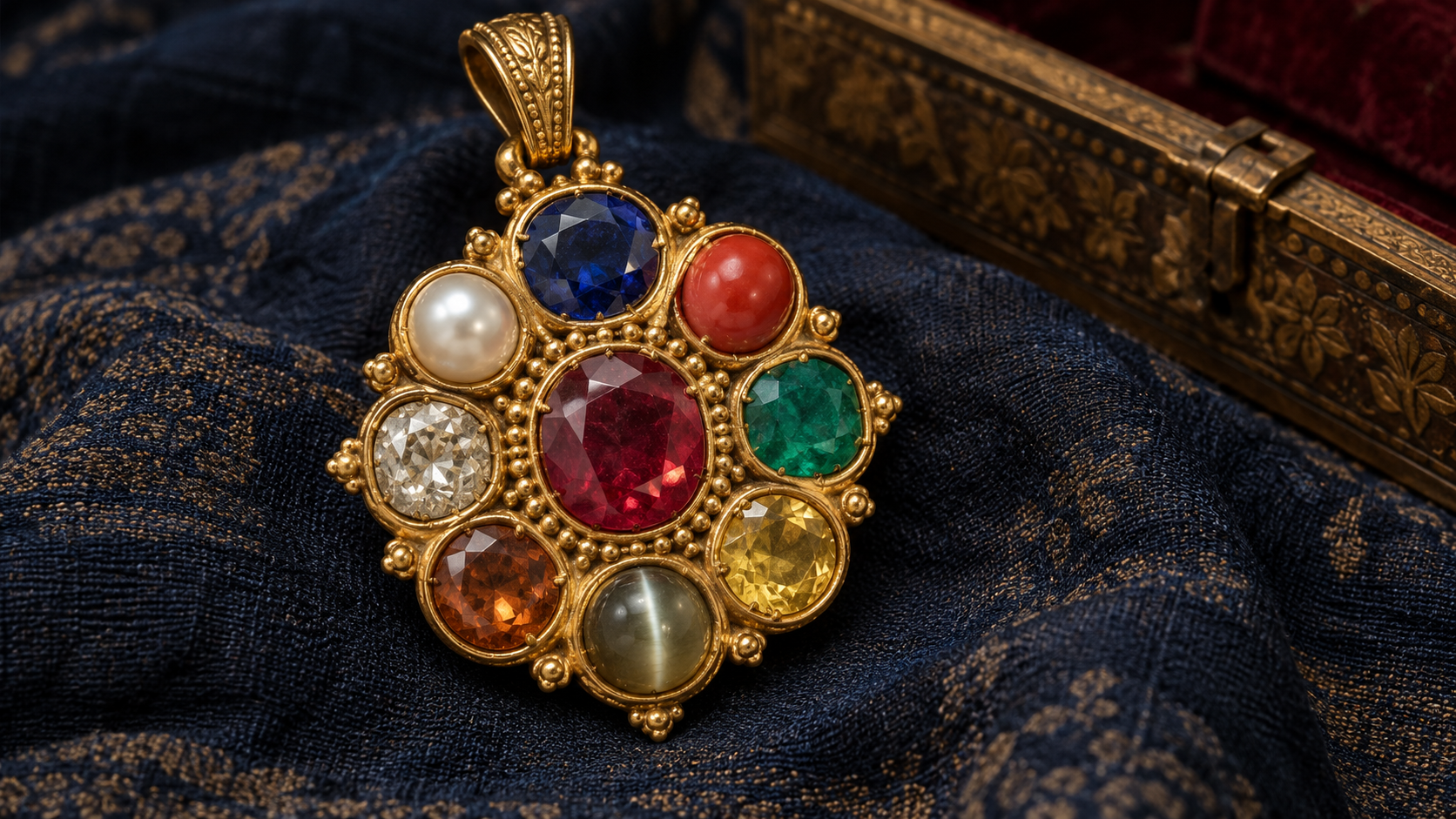
Blue Sapphire and Shani: Sacred Gemstone Beliefs, Saturn and the Nine Jewels of India
-
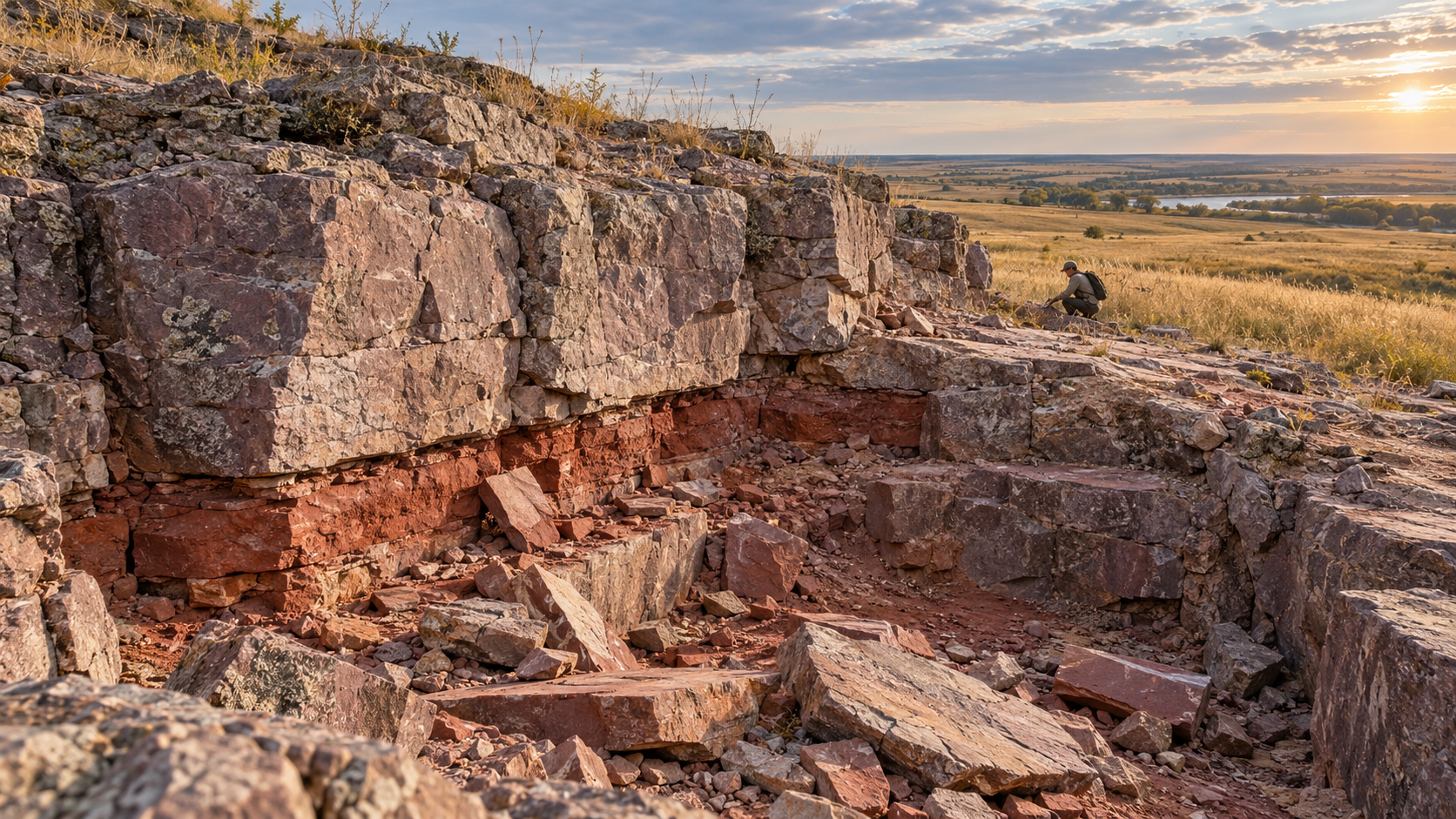
Sacred Pipestone: Native American Stone Traditions, Spiritual Symbolism and the Red Quarries of Minnesota
-
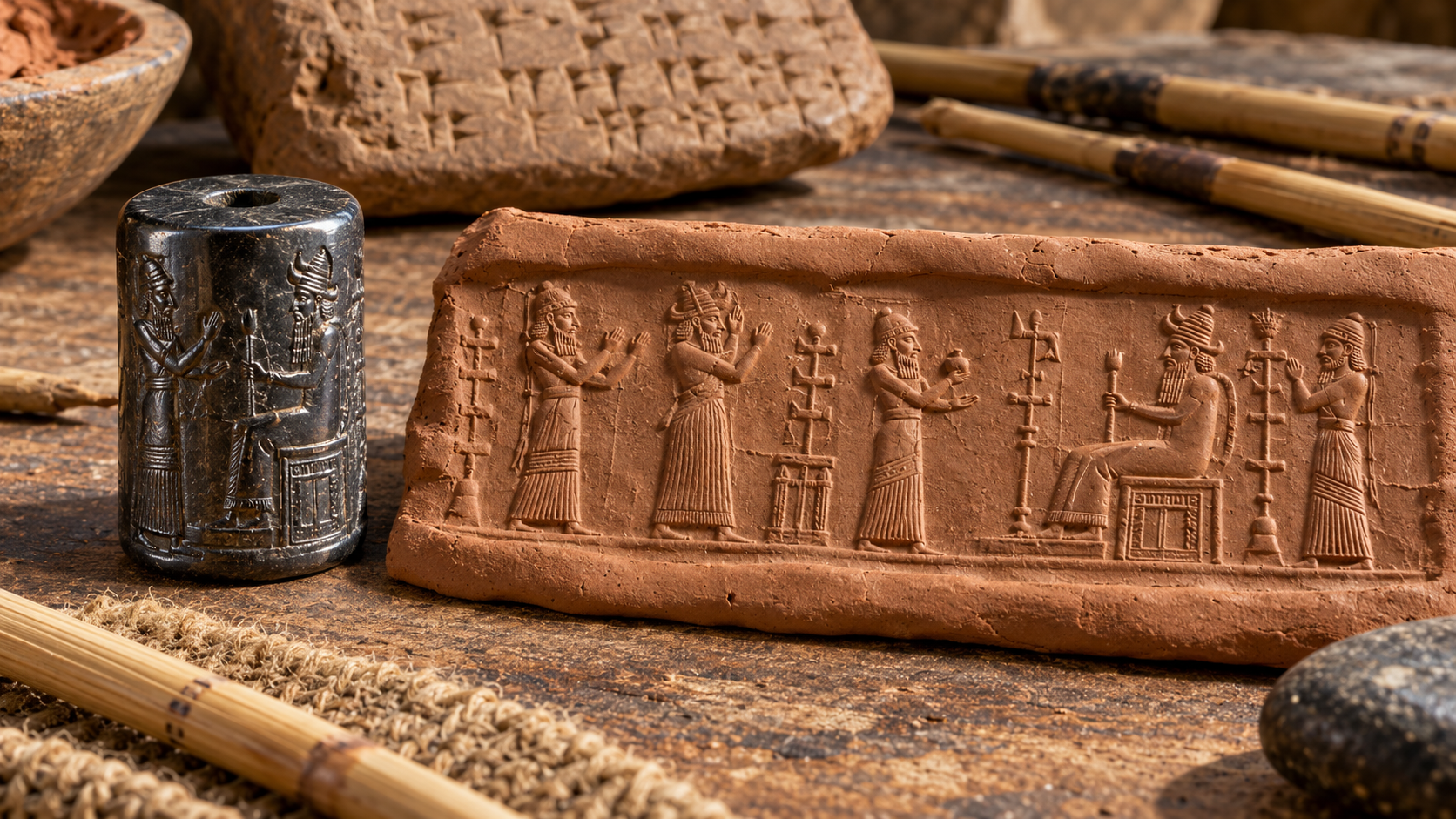
Hematite in Ancient Babylon: Sacred Cylinder Seals, Divine Protection and Mesopotamian Beliefs
-
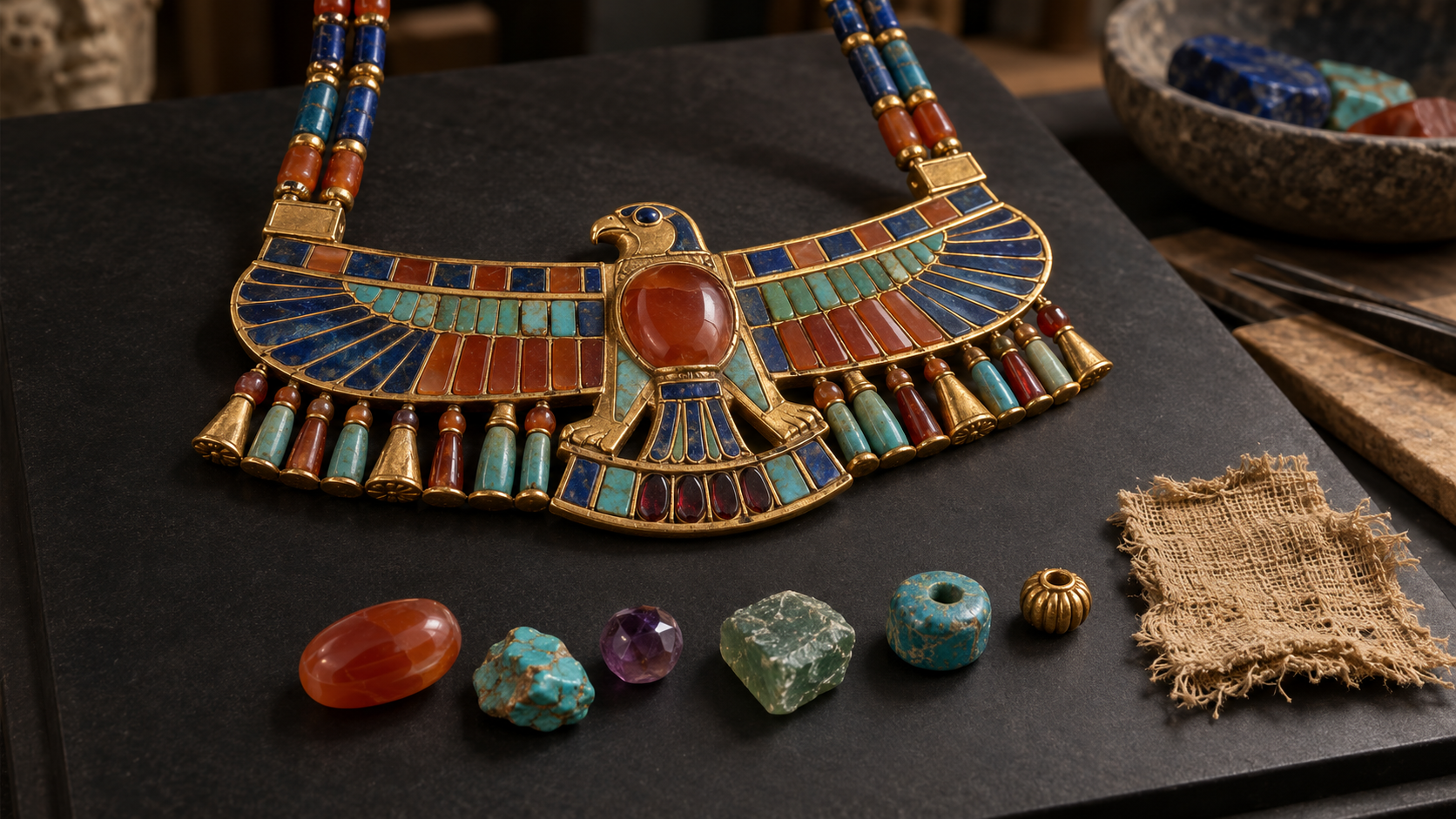
Gemstones in Ancient Egypt: Natural Minerals, Sacred Colours and the Science of Egyptian Jewellery
Gemstones have accompanied human civilisation for thousands of years, valued not only for their beauty and rarity but also as objects of trade, craftsmanship, status, diplomacy and cultural identity. Archaeological discoveries, historical texts and surviving jewellery reveal how societies across different regions selected, transported and worked natural gem materials long before modern gemmology could explain their mineralogical properties.
The Natural Gems Belgium Gemstone History & Civilisations articles explore gemstones within their historical context, examining ancient mining and trade routes, lapidary traditions, royal and ceremonial use, archaeological discoveries and the changing ways in which gem materials were identified and valued. Where historical gemstone names do not correspond precisely with modern mineralogical classifications, the distinction between historical terminology and contemporary gemmological identification is made clear.
By combining gemmological knowledge with archaeological and historical research, this section aims to provide a more accurate understanding of the relationship between natural gemstones and human societies. As the collection grows, individual articles will examine specific gemstones, civilisations, periods and trade networks while distinguishing documented historical evidence from later interpretation, legend and tradition.