
Explore gemstone history across civilisations, from the earliest documented discoveries of natural gemstones and ancient mining to historic trade routes, jewellery, sacred objects and the changing value and symbolism attributed to gemstones through time.
Latest Gemstone History Articles
-
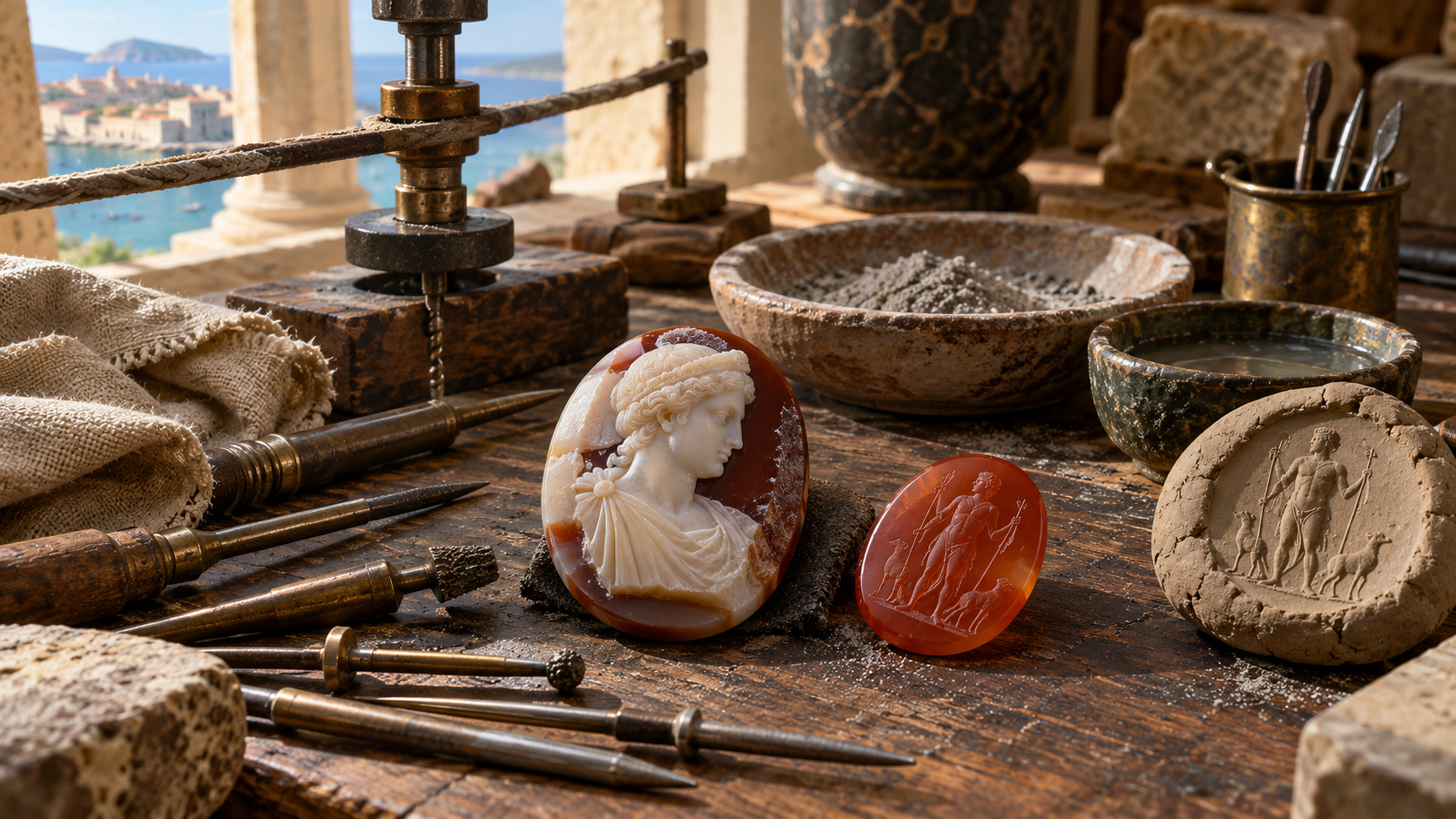
Ancient Gemstone Engraving: How Civilisations Created Intaglios and Cameos
-

Malachite in Russian Orthodox Churches: Sacred Architecture, Imperial Power and the Art of Stone
-
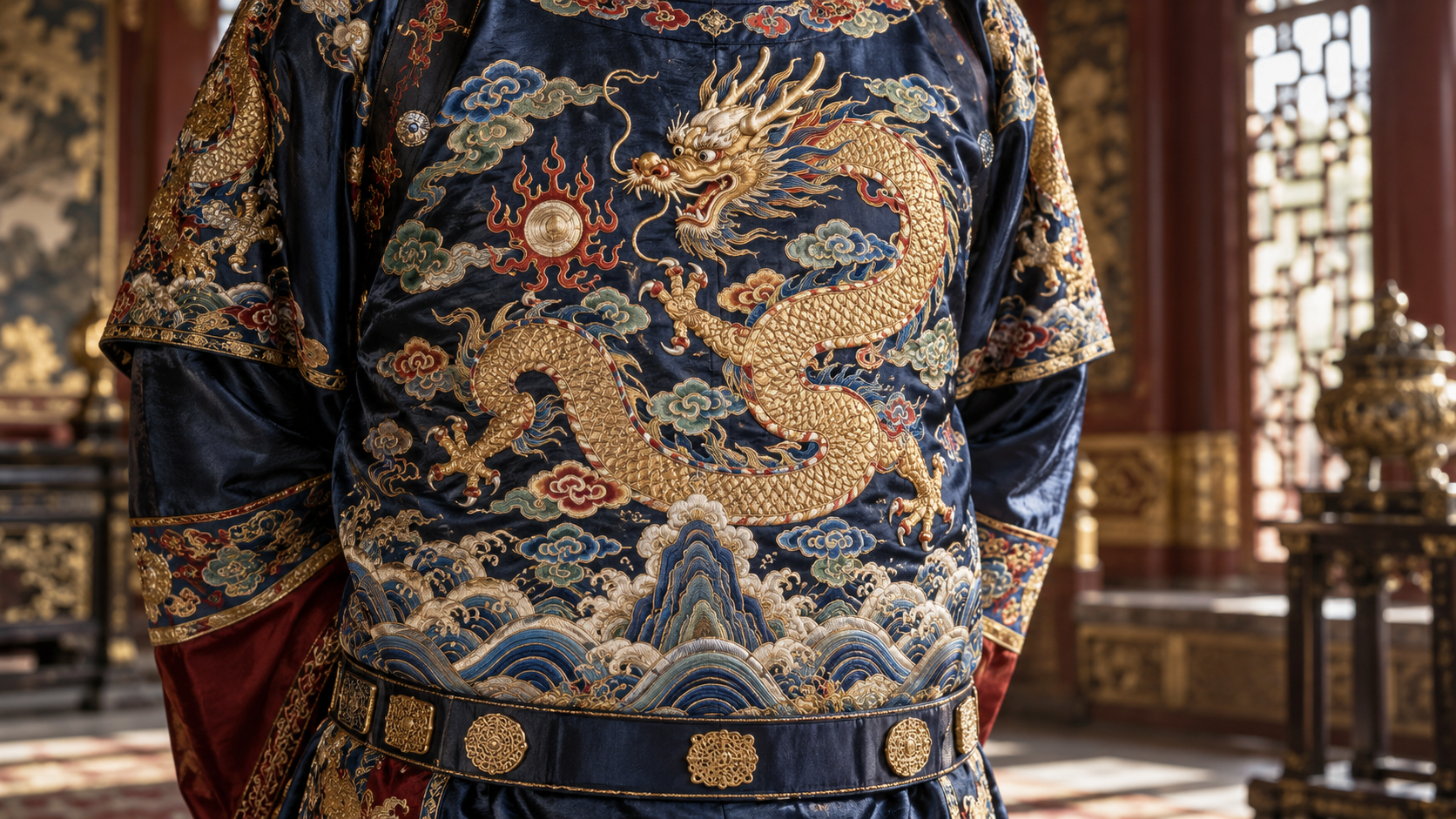
The Dragon and the Flaming Pearl: Wisdom, Rain and Sacred Pearl Symbolism in Imperial China
-
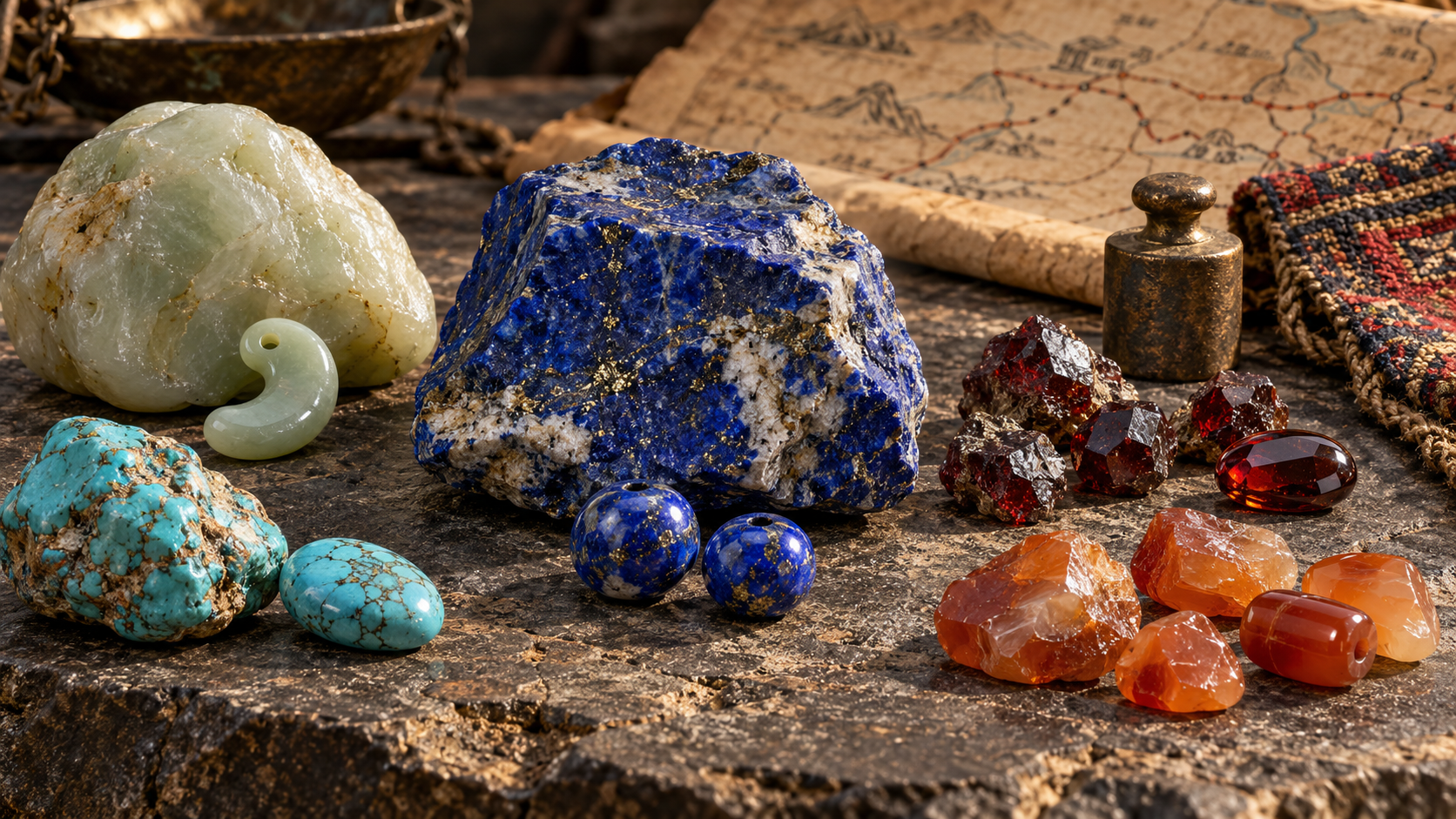
Gemstones Along the Ancient Silk Roads: Trade, Civilisations and the Journey of Precious Minerals
-
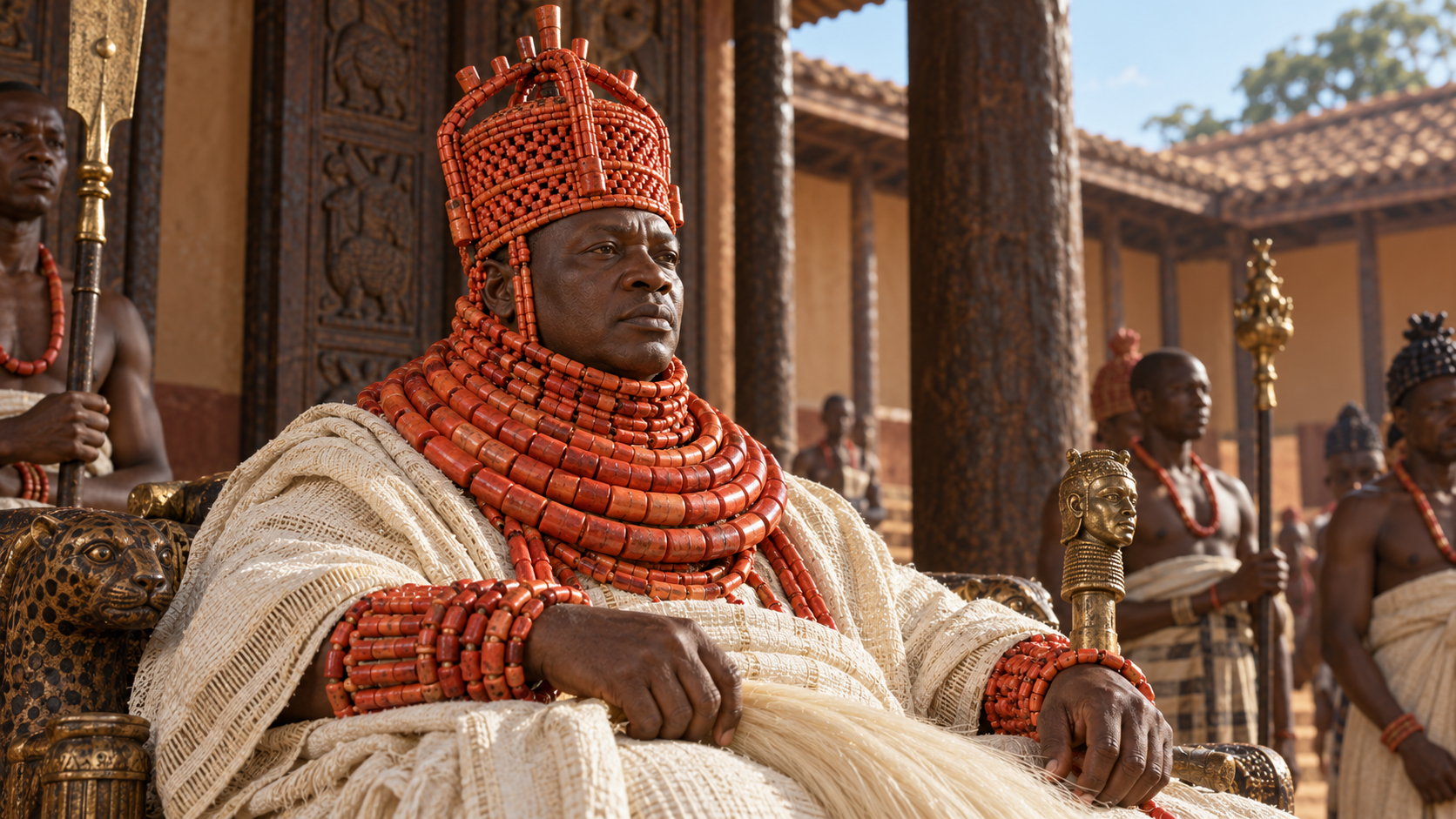
Sacred Coral of the Kingdom of Benin: Royal Power, Olokun and the Spiritual Meaning of Red Beads
-
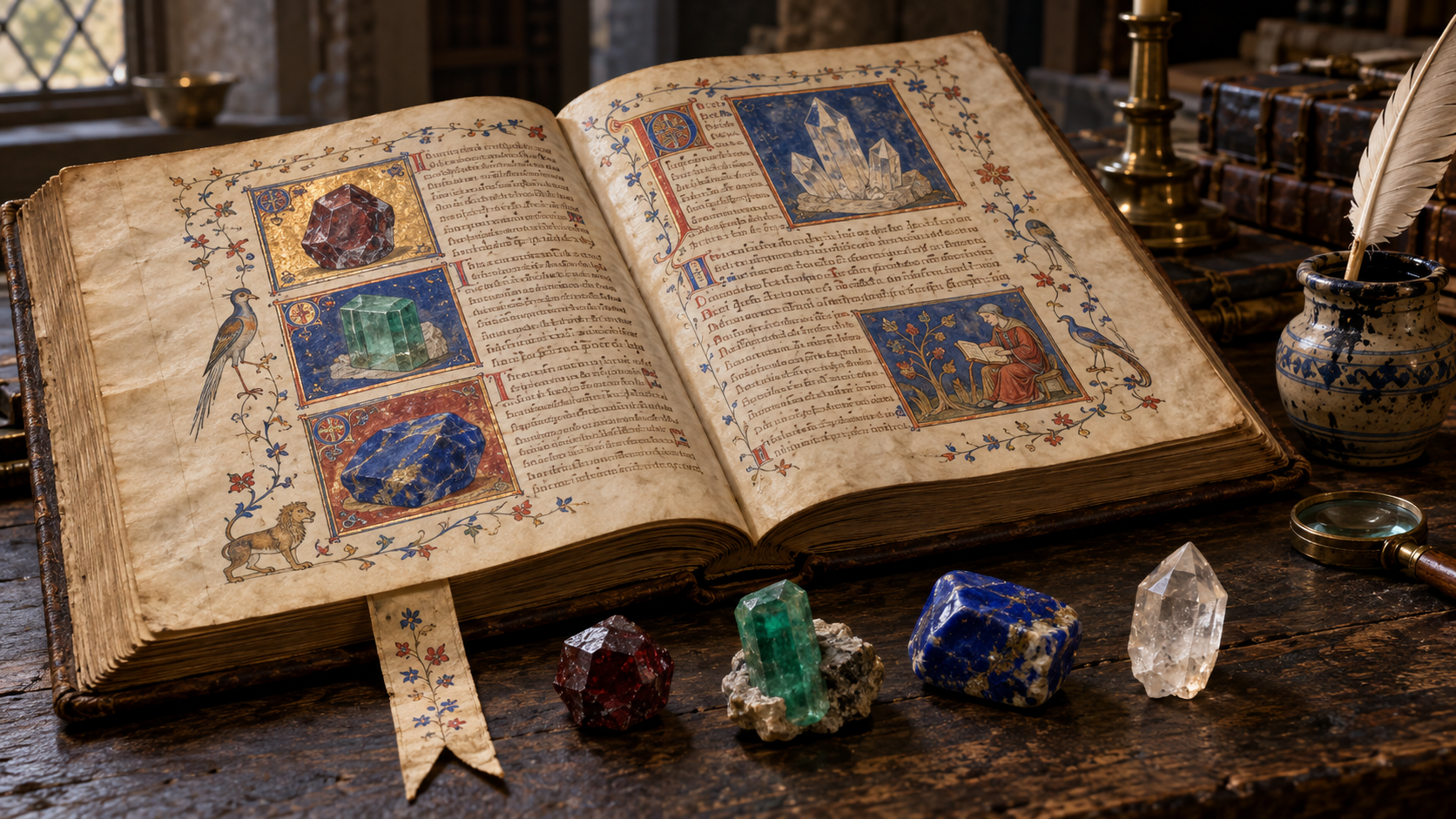
Gemstones in Medieval Manuscripts: How Ancient Knowledge, Medicine and Mineral Classification Shaped the Middle Ages
-
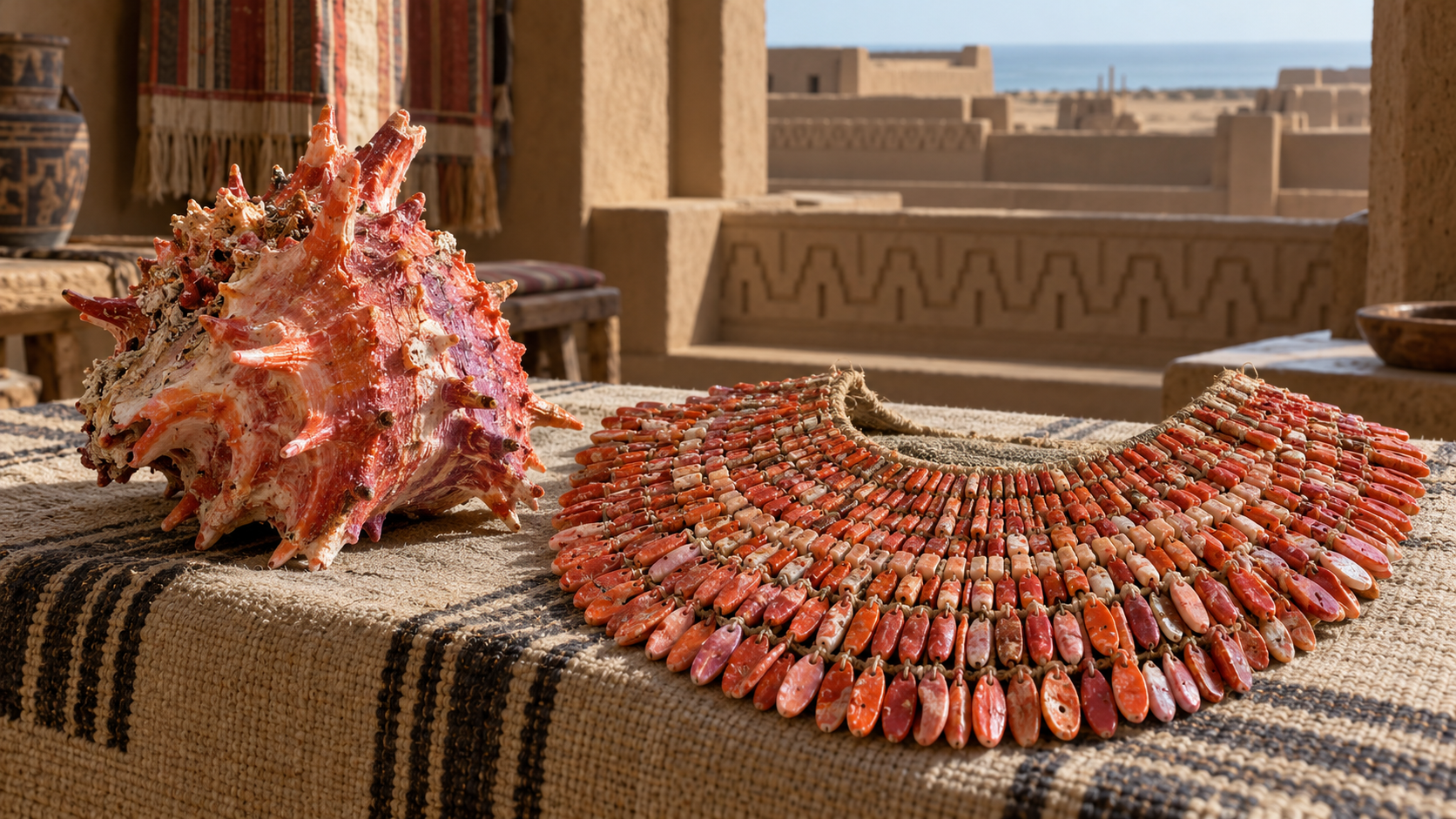
Spondylus: The Sacred Shell of the Andes and Its Connection to Rain, Fertility and Inca Rituals
-
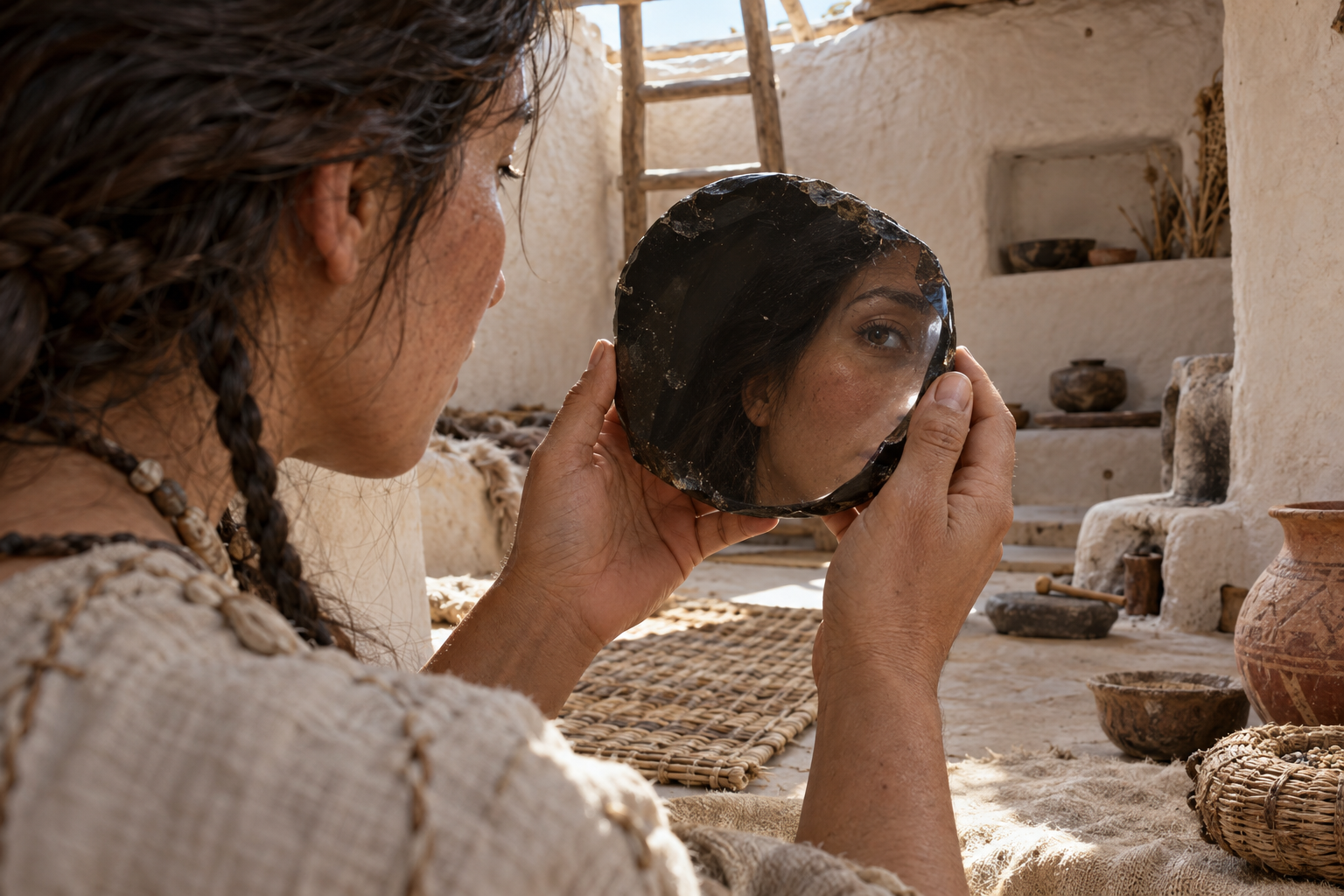
Obsidian Mirrors at Çatalhöyük: Ancient Reflections, Ritual Mysteries and the Spiritual Meaning of Volcanic Glass
-
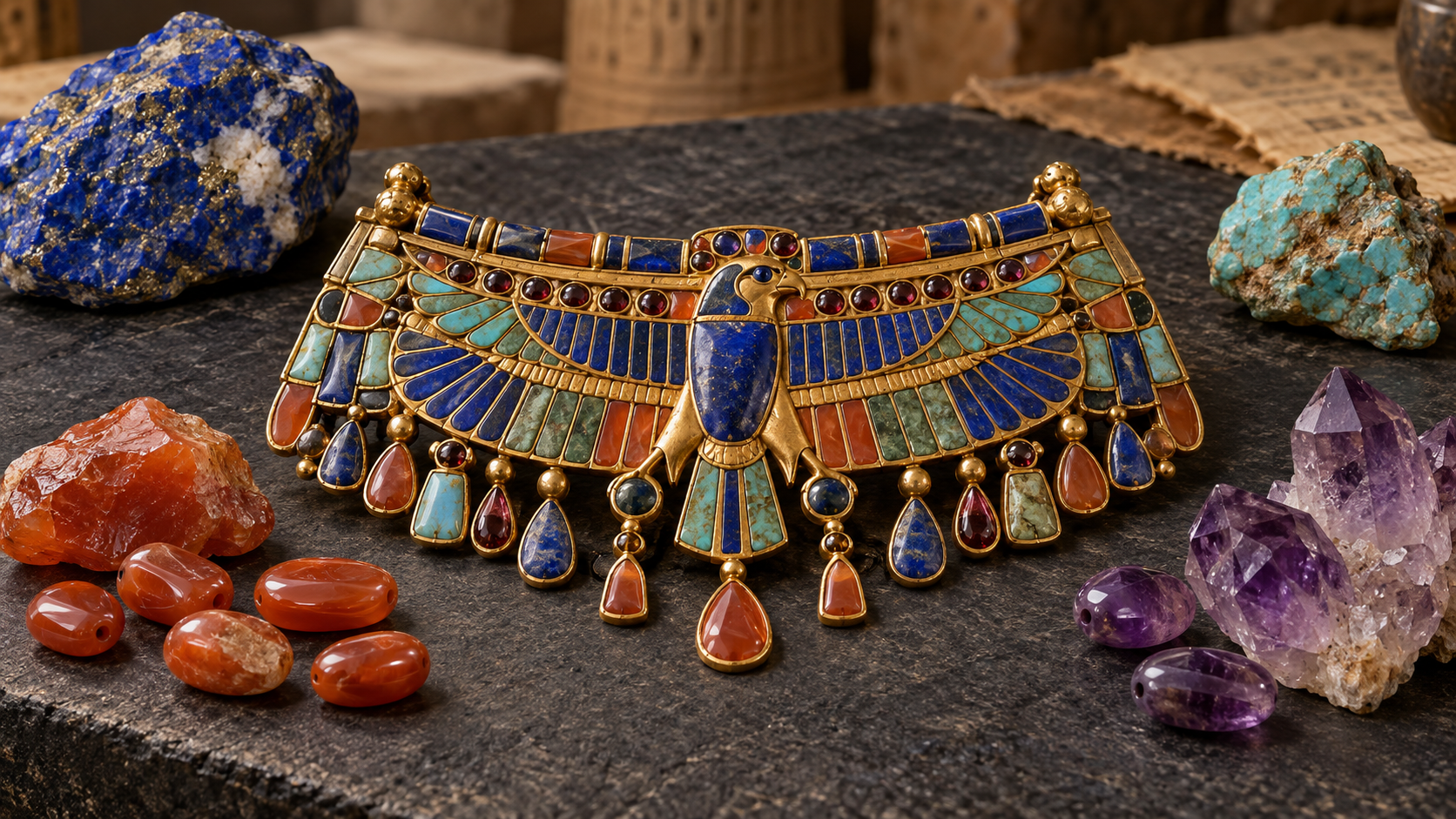
The Gemstones of Ancient Egypt: Minerals, Mining, Jewellery and the Meaning of Colour
-
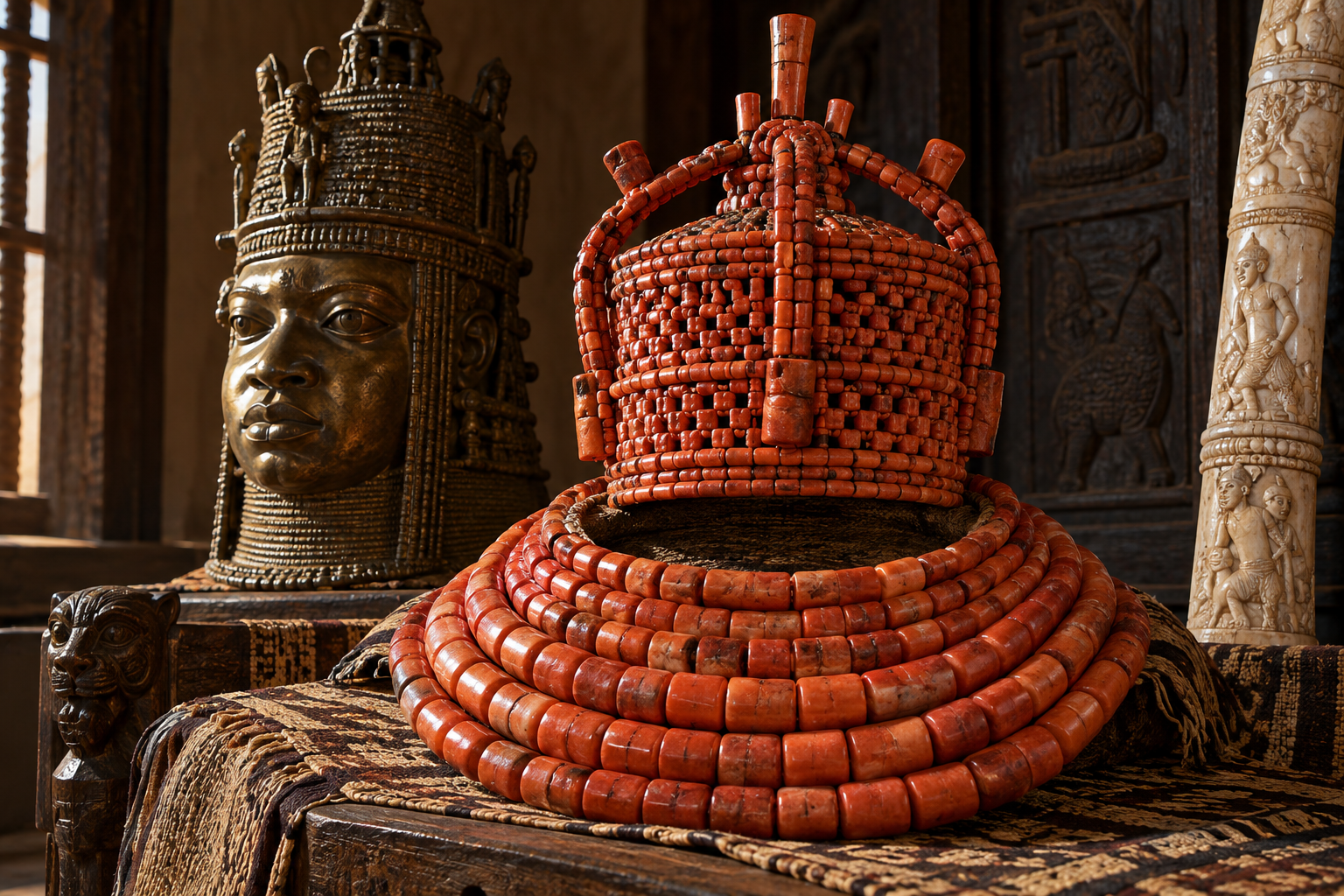
Coral and Sacred Kingship in the Kingdom of Benin: Olokun, Royal Regalia and the Spiritual Power of the Sea
Gemstones have accompanied human civilisation for thousands of years, valued not only for their beauty and rarity but also as objects of trade, craftsmanship, status, diplomacy and cultural identity. Archaeological discoveries, historical texts and surviving jewellery reveal how societies across different regions selected, transported and worked natural gem materials long before modern gemmology could explain their mineralogical properties.
The Natural Gems Belgium Gemstone History & Civilisations articles explore gemstones within their historical context, examining ancient mining and trade routes, lapidary traditions, royal and ceremonial use, archaeological discoveries and the changing ways in which gem materials were identified and valued. Where historical gemstone names do not correspond precisely with modern mineralogical classifications, the distinction between historical terminology and contemporary gemmological identification is made clear.
By combining gemmological knowledge with archaeological and historical research, this section aims to provide a more accurate understanding of the relationship between natural gemstones and human societies. As the collection grows, individual articles will examine specific gemstones, civilisations, periods and trade networks while distinguishing documented historical evidence from later interpretation, legend and tradition.