
Explore gemstone history across civilisations, from the earliest documented discoveries of natural gemstones and ancient mining to historic trade routes, jewellery, sacred objects and the changing value and symbolism attributed to gemstones through time.
Latest Gemstone History Articles
-
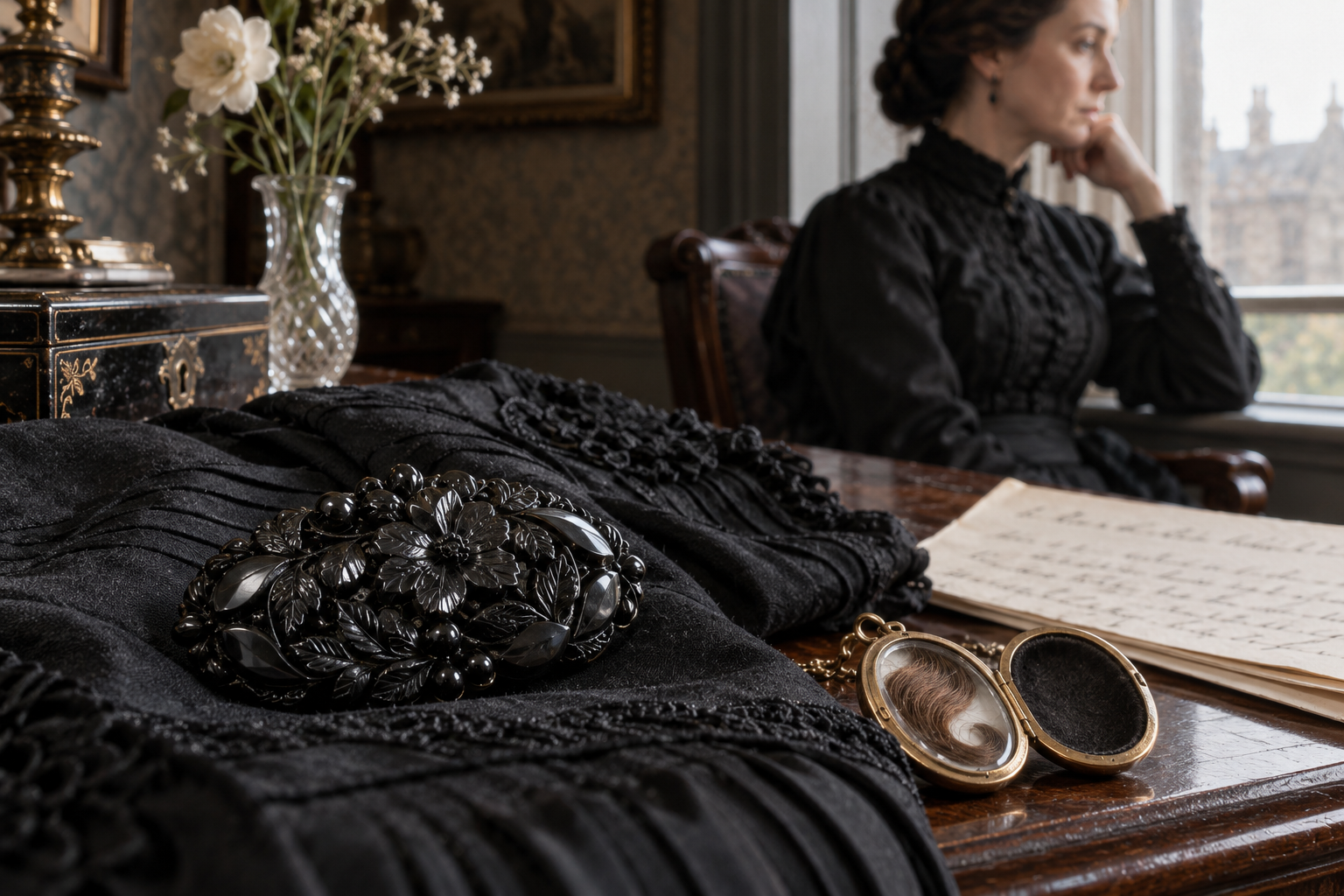
Whitby Jet and Victorian Mourning: How a Black Gemstone Became a Symbol of Love, Death and Remembrance
-
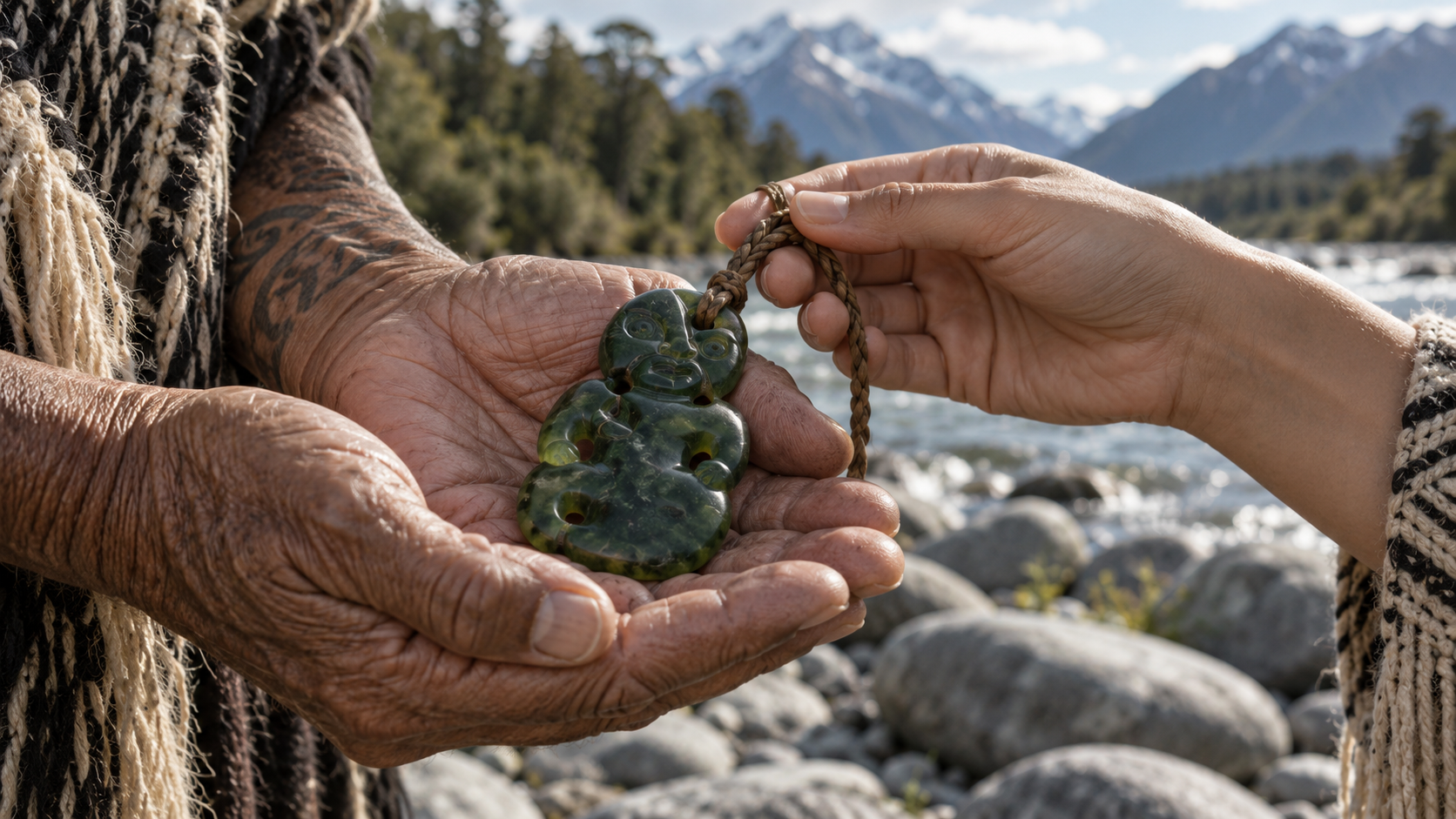
Pounamu in Māori Tradition: Hei Tiki, Mana, Ancestry and the Sacred Life of New Zealand Greenstone
-
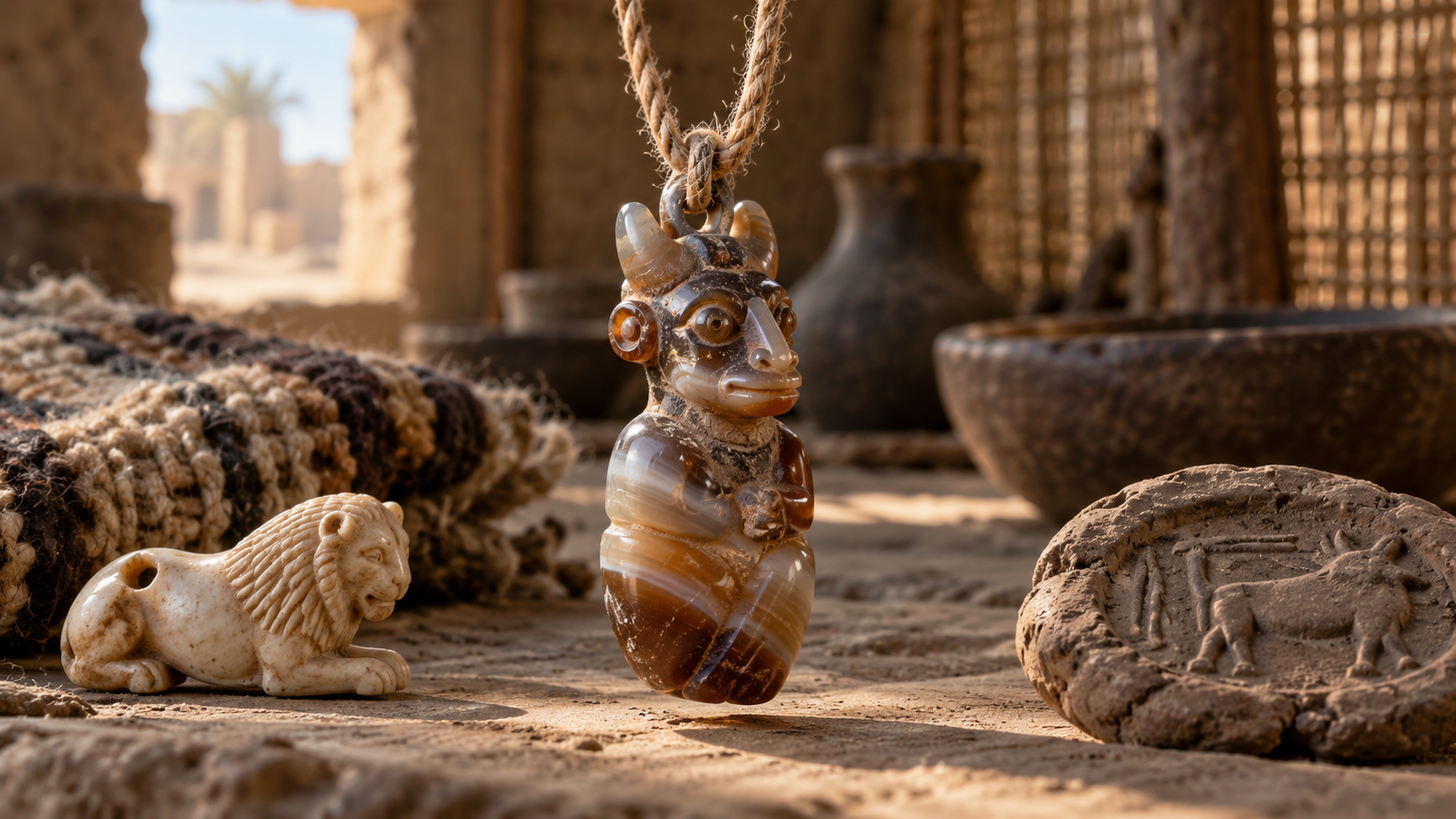
Agate Against Demons: Amulets, Protective Magic and Fear in Ancient Mesopotamia
-
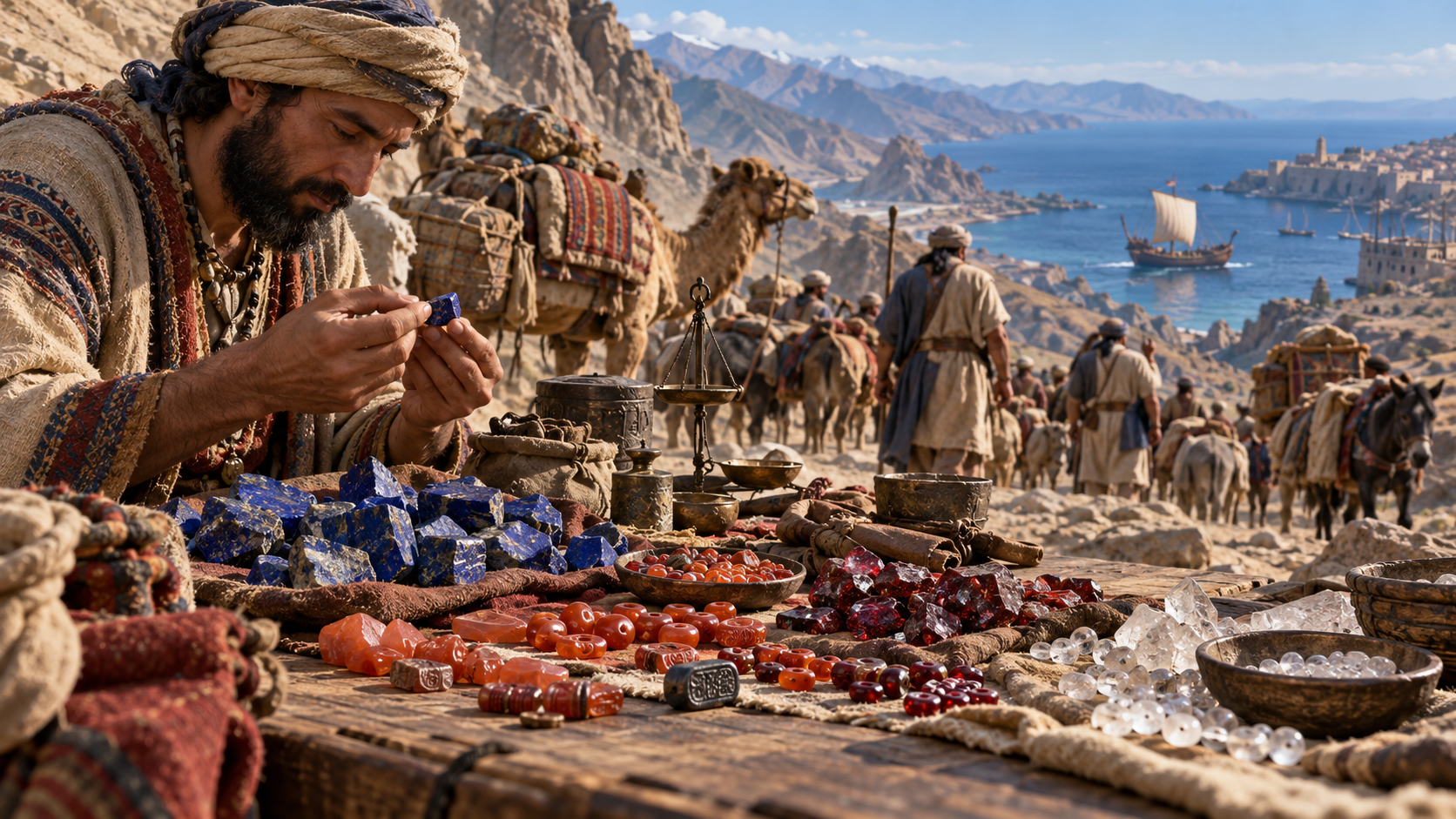
The Ancient Gemstone Trade: How Precious Stones Travelled Across the Old World
-
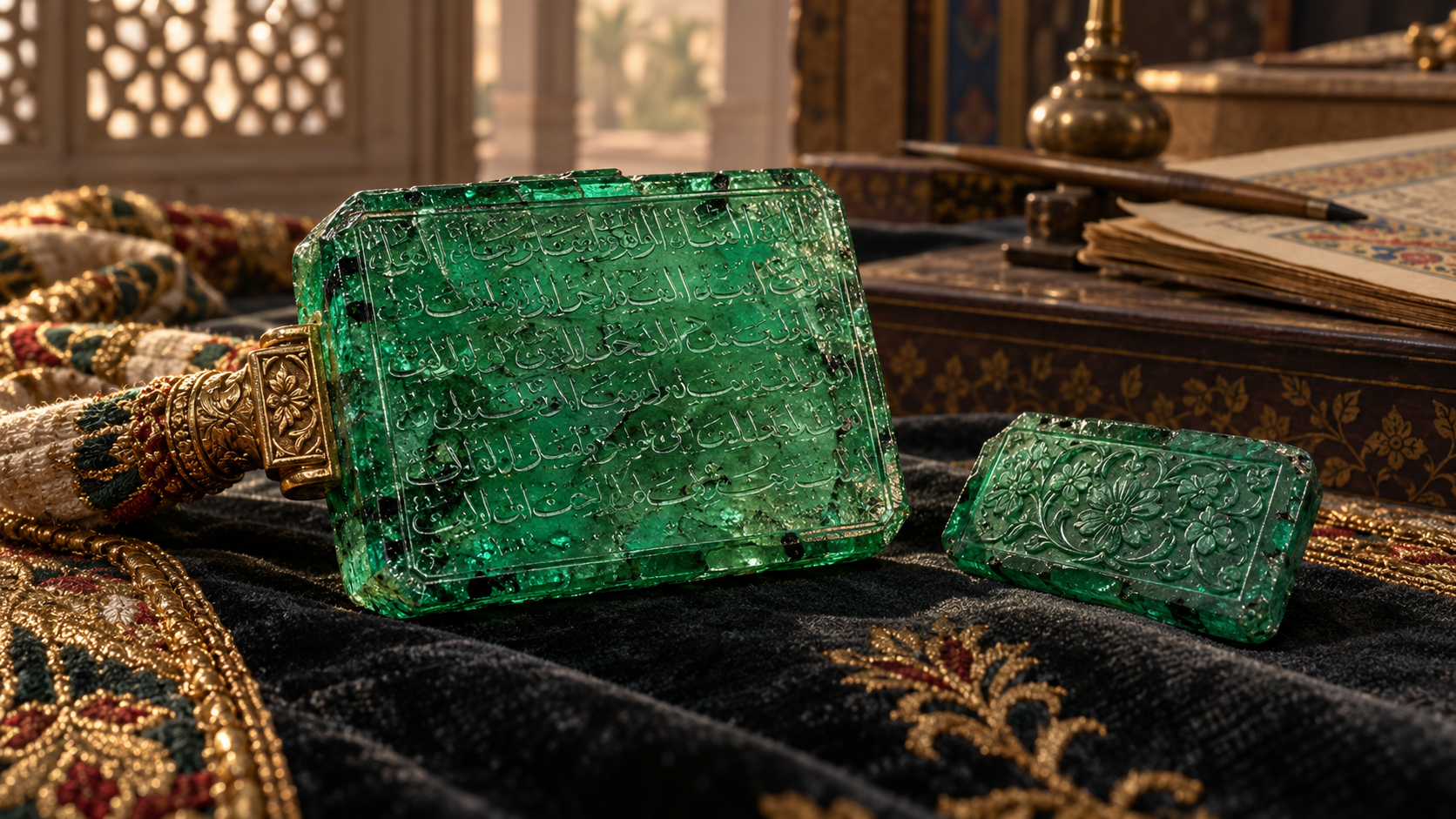
Emeralds in Mughal India: Sacred Inscriptions, Talismanic Belief and the Journey of Colombian Green
-
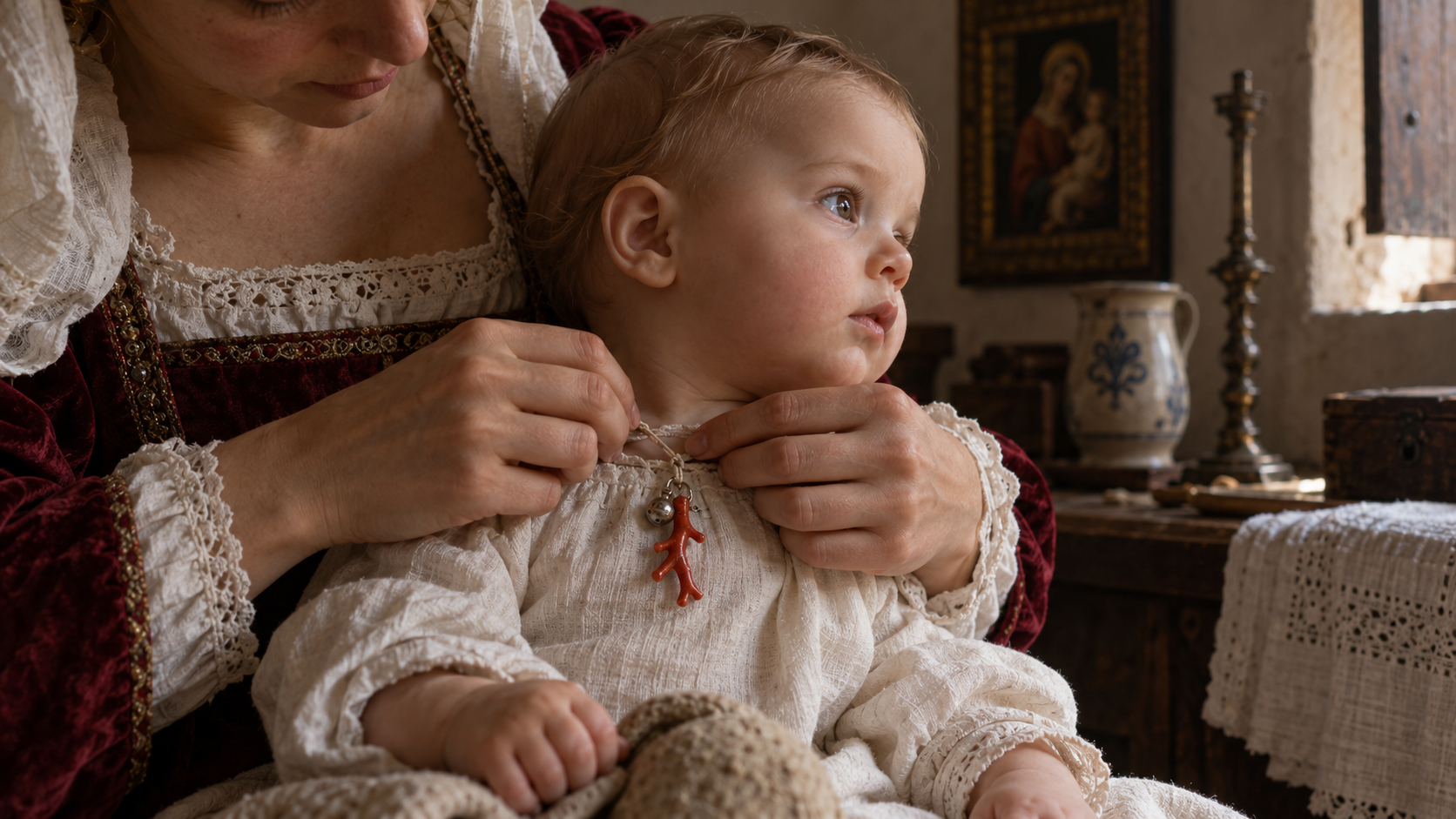
Red Coral Against the Evil Eye: Protection, Childhood and Belief in the Mediterranean World
-
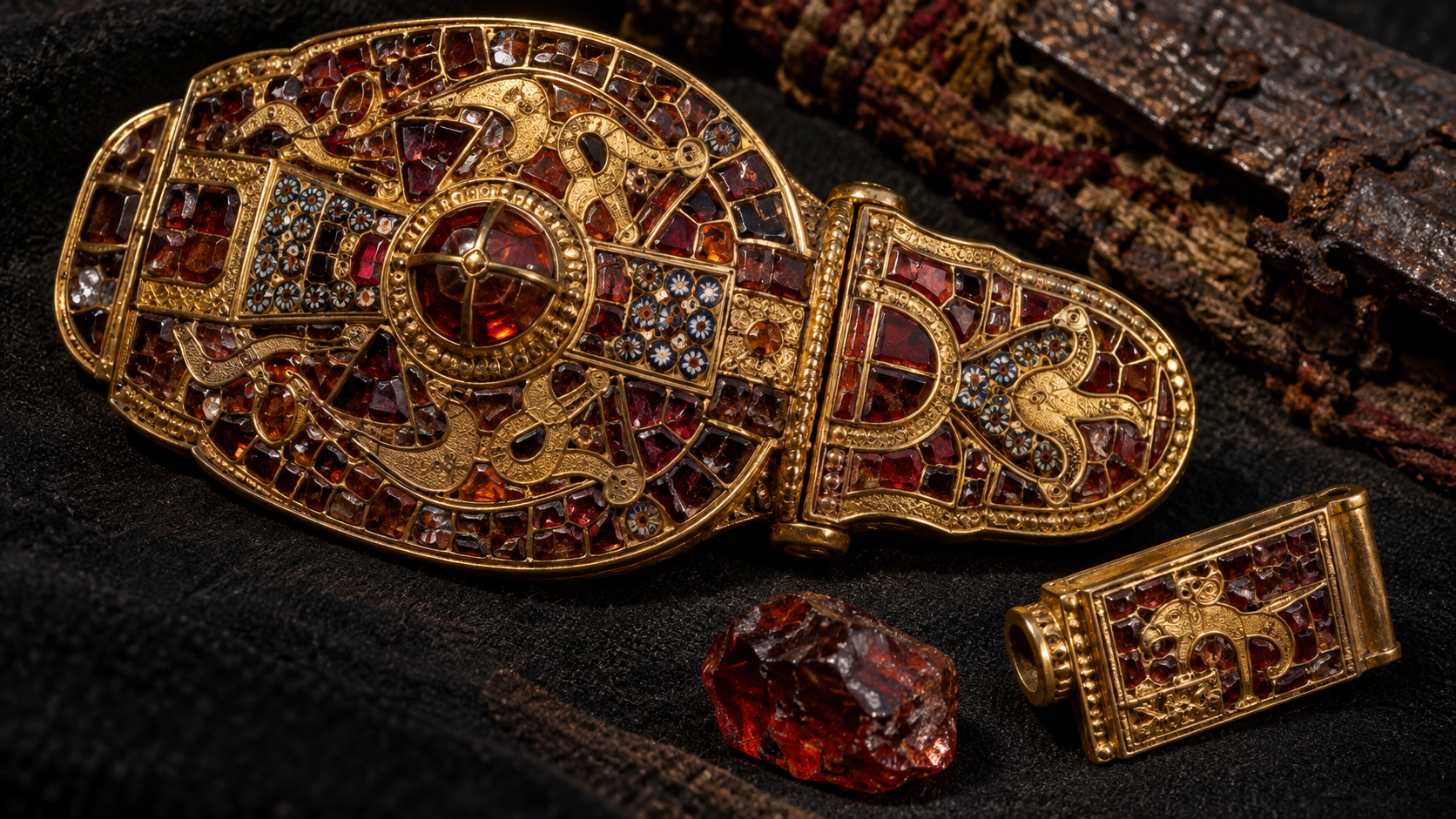
Garnet at Sutton Hoo: Warrior Power, Burial Beliefs & a Gemstone from Distant Worlds
-
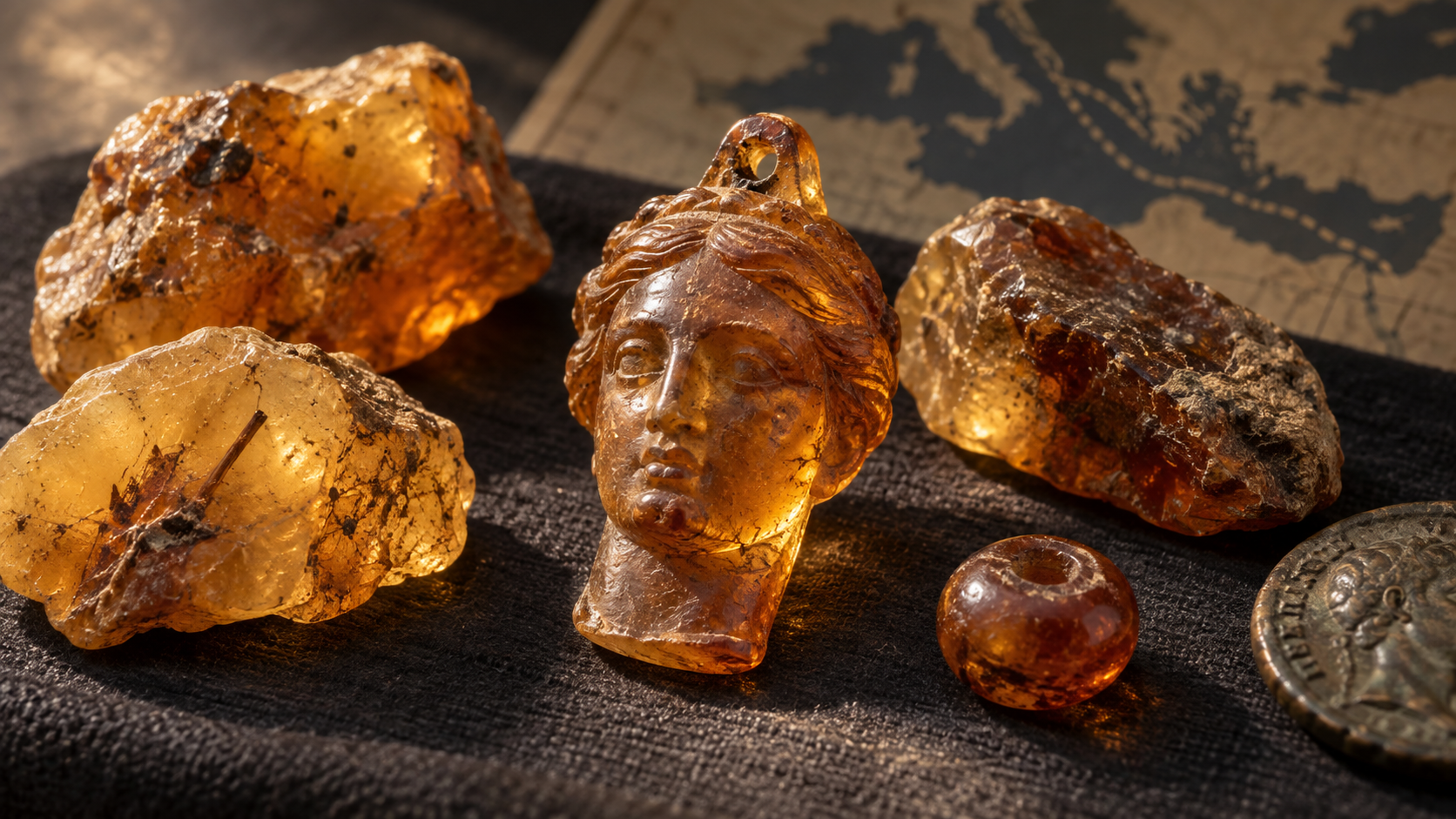
Amber in the Ancient Baltic & Roman World: Sunlight, Amulets and the Long Road South
-
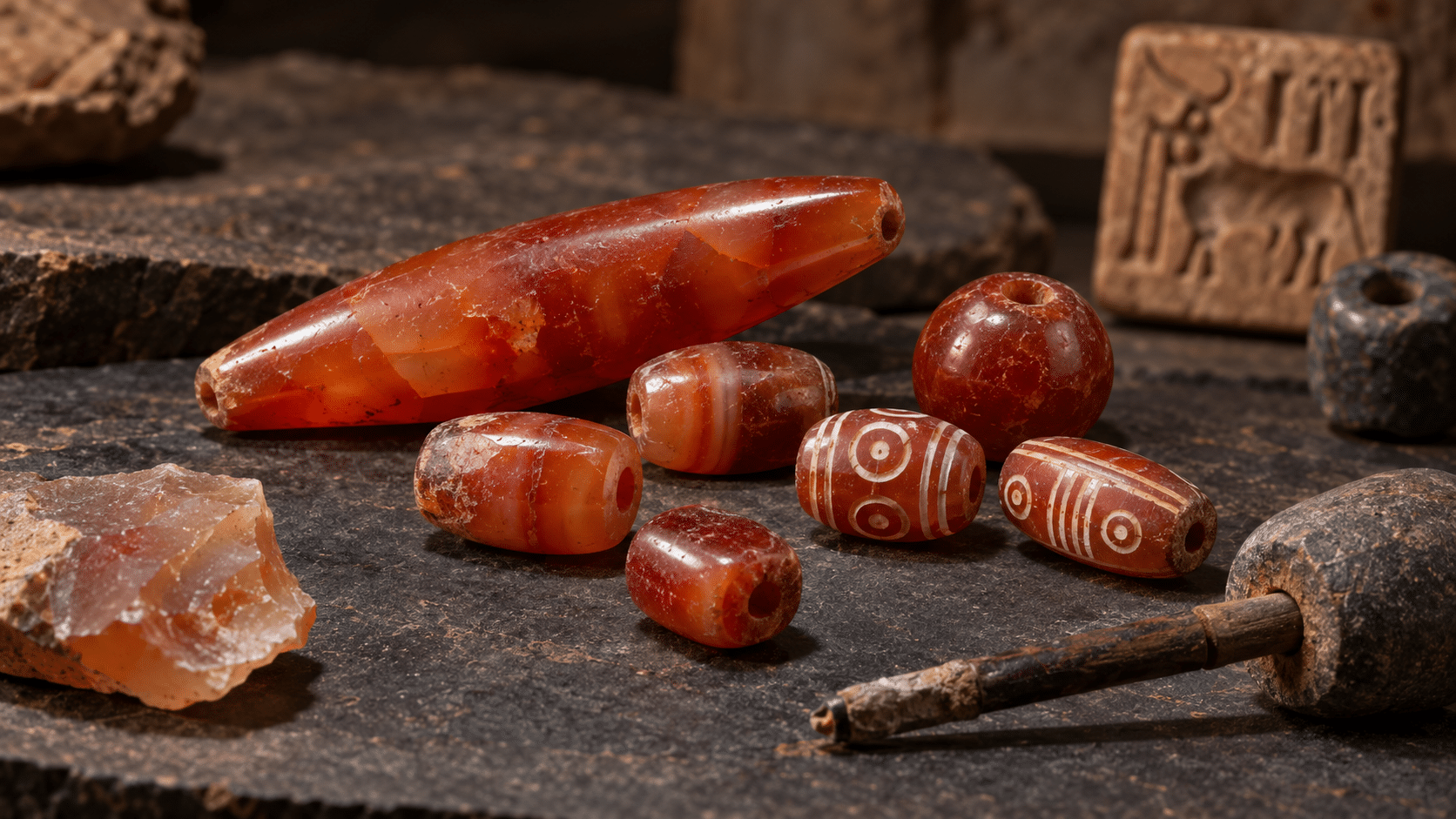
Carnelian in the Indus Civilization: Sacred Colour, Beads & Ancient Beliefs
-
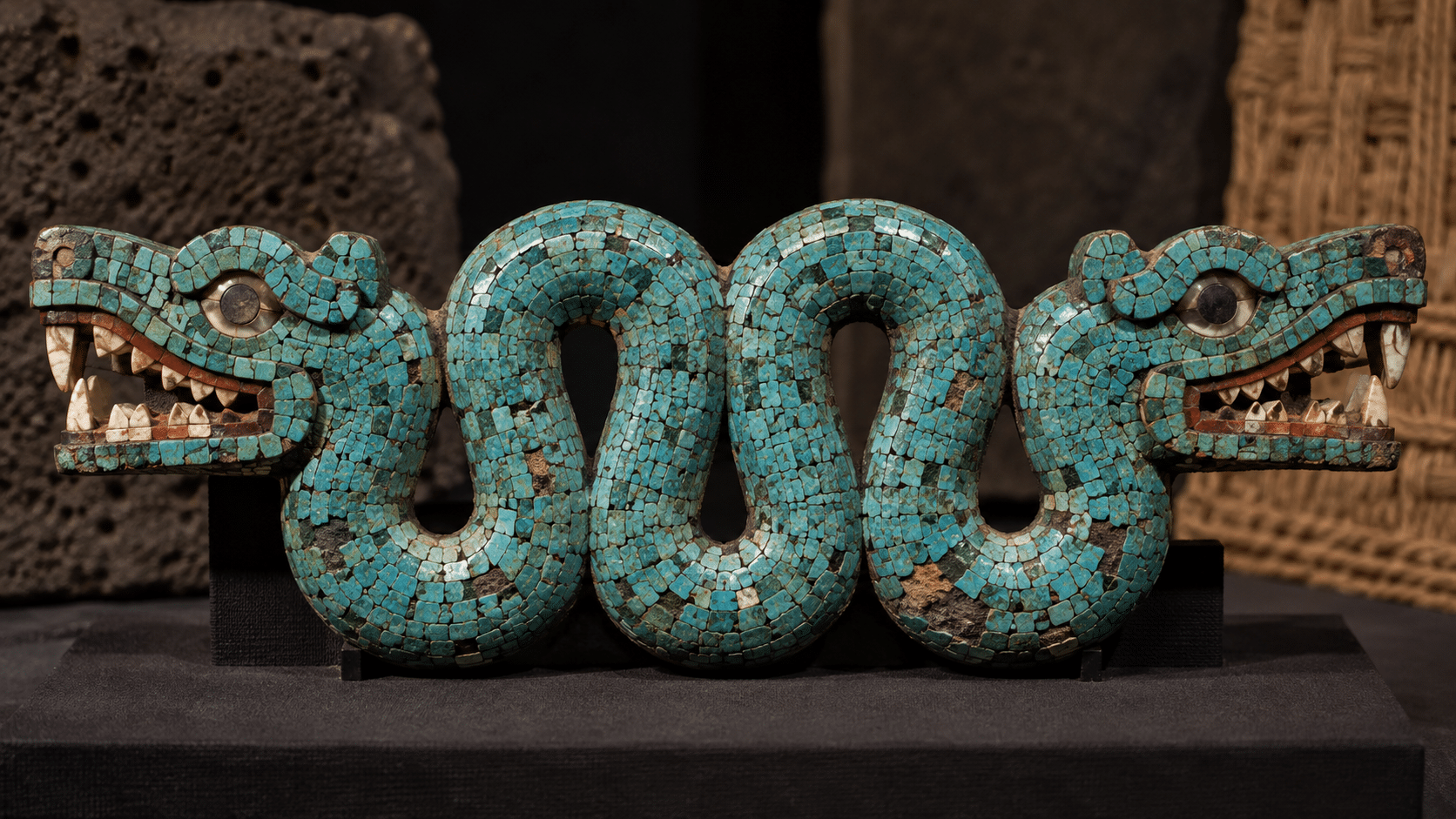
Turquoise in Mexica Culture: Sacred Stone of Fire, Water & Power
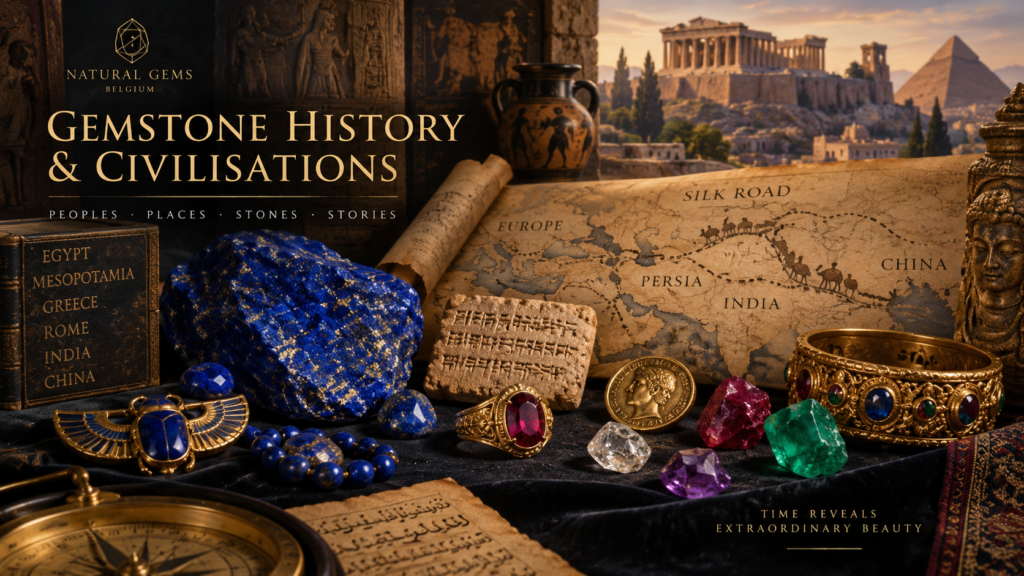
Gemstones have accompanied human civilisation for thousands of years, valued not only for their beauty and rarity but also as objects of trade, craftsmanship, status, diplomacy and cultural identity. Archaeological discoveries, historical texts and surviving jewellery reveal how societies across different regions selected, transported and worked natural gem materials long before modern gemmology could explain their mineralogical properties.
The Natural Gems Belgium Gemstone History & Civilisations articles explore gemstones within their historical context, examining ancient mining and trade routes, lapidary traditions, royal and ceremonial use, archaeological discoveries and the changing ways in which gem materials were identified and valued. Where historical gemstone names do not correspond precisely with modern mineralogical classifications, the distinction between historical terminology and contemporary gemmological identification is made clear.
By combining gemmological knowledge with archaeological and historical research, this section aims to provide a more accurate understanding of the relationship between natural gemstones and human societies. As the collection grows, individual articles will examine specific gemstones, civilisations, periods and trade networks while distinguishing documented historical evidence from later interpretation, legend and tradition.