

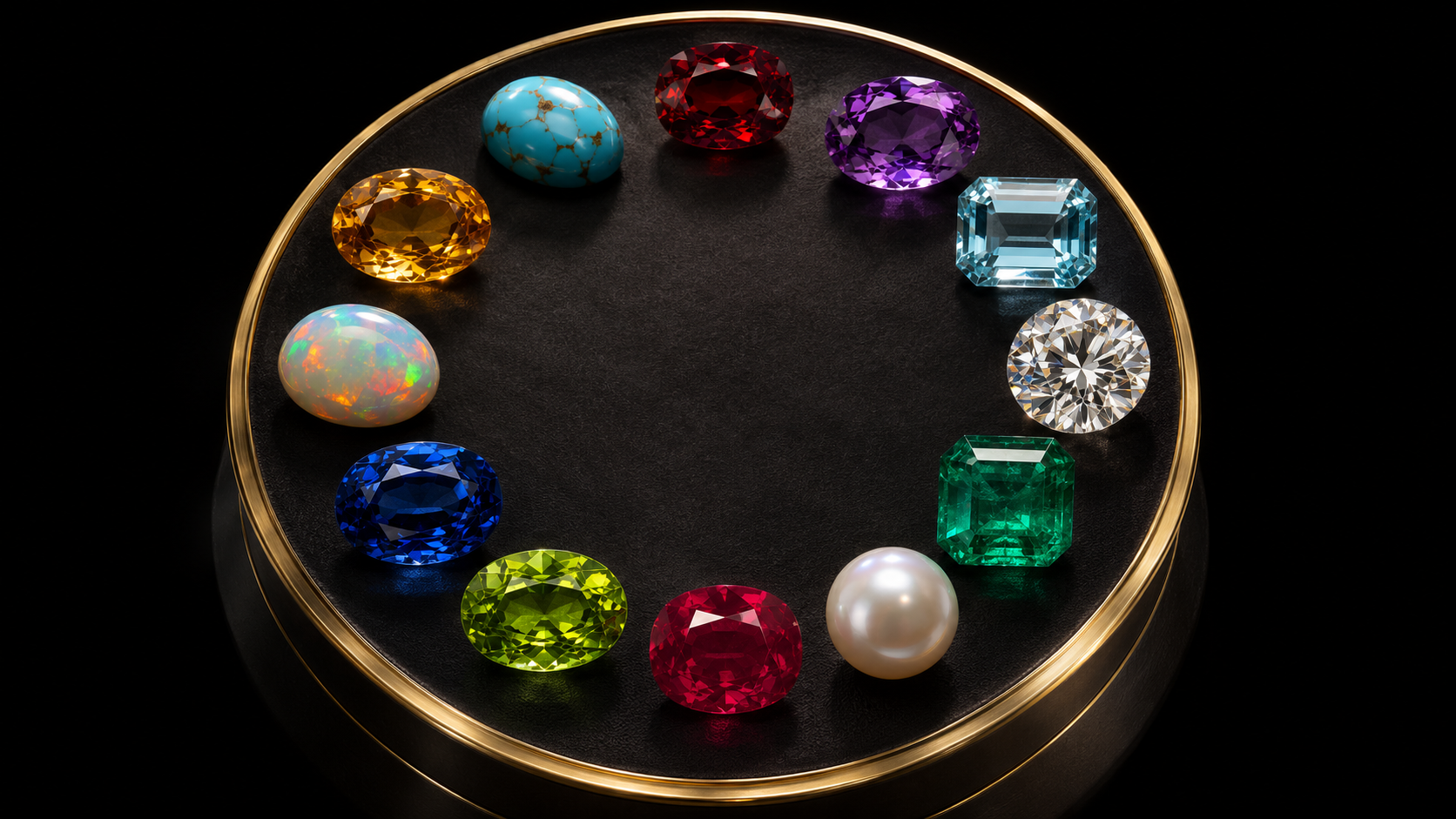
Discover the beauty, symbolism and centuries-old traditions of birthstones — twelve months, remarkable gemstones and a personal connection to the natural world.
Table of Contents
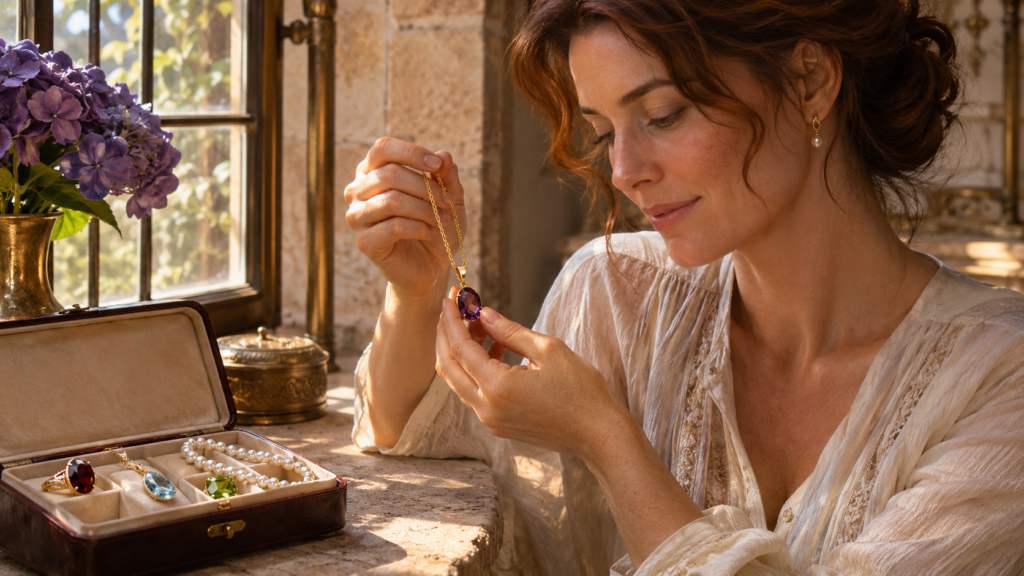
Introduction: A Gemstone for Every Birth, a Meaning for Every Life
For centuries, gemstones have held a special place in human culture.
They have adorned kings and queens, accompanied travellers, appeared in religious ceremonies and served as treasured symbols of love, protection, wisdom and prosperity.
Among the most enduring gemstone traditions is the association between particular stones and the twelve months of the year.
These gemstones are known as birthstones.
For many people, a birthstone is far more than a beautiful mineral.
It may represent their identity, their connection with the month of their birth, a cherished family tradition or a personal spiritual belief.
Some regard birthstones as protective companions. Others associate them with emotional harmony, spiritual awareness or qualities they wish to cultivate throughout life.
A birthstone can also become a deeply meaningful gift, connecting the person who gives it with the person who receives it.
From the passionate red of January garnet to the serene blue of September sapphire, each gemstone carries its own history, symbolism and natural beauty.
In this guide, Natural Gems Belgium explores the complete birthstone calendar, the origins of the tradition and the spiritual meanings associated with each month.
We also examine the mineralogical characteristics that make these gemstones unique, while respecting the distinction between traditional beliefs and scientific knowledge.
1. The Origins of Birthstones: An Ancient Tradition
The twelve stones of the High Priest
One of the most frequently cited historical connections to the birthstone tradition appears in the Hebrew Bible.
The Book of Exodus describes a ceremonial breastplate worn by the High Priest of Israel.
The breastplate contained twelve gemstones arranged in four rows, traditionally associated with the twelve tribes of Israel.
Over time, later Jewish and Christian interpretations connected the number twelve with additional symbolic systems, including the twelve months of the year and the twelve signs of the zodiac.
The exact identification of the ancient gemstones remains uncertain because historical names and translations do not always correspond to modern mineralogical classifications.
Nevertheless, the breastplate became an important source of inspiration for later birthstone traditions.
Gemstones and the zodiac
In ancient and medieval traditions, gemstones were sometimes associated with celestial bodies, zodiac signs and planetary influences.
Astrological systems attributed symbolic qualities to the stars and planets, while gemstones were believed to reflect or complement particular celestial characteristics.
These associations varied across cultures and historical periods.
There was never one universally accepted system assigning the same gemstones to every month or zodiac sign.
For spiritually interested individuals, these traditions continue to offer a meaningful way of connecting gemstones with personal identity and the symbolic rhythms of the year.
The development of modern birthstones
The practice of wearing a gemstone associated specifically with one’s birth month developed over time.
By the eighteenth century, monthly birthstone traditions were becoming established in parts of Europe.
In 1912, the American National Association of Jewelers adopted a standardised birthstone list.
Subsequent revisions and additions introduced further gemstones, reflecting changing traditions and greater availability.
Today, many months have more than one recognised birthstone.
This allows individuals to choose between different colours, mineral species and symbolic meanings while remaining connected to their birth month.
2. The Spiritual Philosophy of Birthstones
Birthstones occupy a special place in contemporary gemstone spirituality.
Many people believe that the gemstone associated with their birth month reflects particular qualities, energies or aspects of their personality.
Within these traditions, a birthstone may be regarded as a companion for personal growth, meditation or spiritual reflection.
Birthstones as symbols of identity
A birthstone creates a personal relationship between an individual and a gemstone.
The connection may be based on the calendar, family tradition, astrology or spiritual interpretation.
For some, wearing a birthstone is a reminder of their origins and individuality.
For others, it represents an intention to develop qualities traditionally associated with the stone.
Protection and positive energy
Many historical gemstone traditions attribute protective qualities to particular stones.
Garnet, ruby, turquoise and several other gemstones have been used as amulets or talismans.
In contemporary crystal spirituality, birthstones may be believed to encourage positive energy or provide protection from negative influences.
These meanings belong to spiritual and cultural traditions.
Their significance may be deeply personal even though the proposed energetic mechanisms have not been scientifically established.
Birthstones and emotional well-being
Gemstones are also associated with symbolic qualities such as courage, compassion, calmness and emotional balance.
Some individuals incorporate their birthstone into meditation, journaling or personal rituals.
The stone may serve as a focus for intentions, reflection and self-awareness.
Birthstones as meaningful gifts
Birthstone jewellery is often given to celebrate birthdays, anniversaries, births and important personal milestones.
A birthstone necklace may represent a child or loved one.
A ring may commemorate a significant birthday.
A bracelet containing several birthstones can symbolise the members of a family.
The emotional significance of such jewellery can extend far beyond its material value.
3. The Complete Birthstone Chart
The following chart presents widely recognised modern birthstones, including traditional or alternative stones where relevant.
| Month | Birthstones | Traditional symbolism |
|---|---|---|
| January | Garnet | Protection, loyalty, vitality |
| February | Amethyst | Peace, wisdom, spiritual awareness |
| March | Aquamarine, Bloodstone | Serenity, courage, renewal |
| April | Diamond | Love, strength, commitment |
| May | Emerald | Growth, harmony, wisdom |
| June | Pearl, Alexandrite, Moonstone | Purity, transformation, intuition |
| July | Ruby | Passion, courage, vitality |
| August | Peridot, Spinel, Sardonyx | Renewal, protection, confidence |
| September | Sapphire | Wisdom, loyalty, truth |
| October | Opal, Tourmaline | Creativity, hope, emotional expression |
| November | Topaz, Citrine | Abundance, optimism, warmth |
| December | Turquoise, Zircon, Tanzanite | Protection, clarity, transformation |
The symbolic meanings are drawn from historical and contemporary gemstone traditions and may differ between cultures.
4. January Birthstone – Garnet
The gemstone of protection, passion and loyalty
Garnet is traditionally associated with January.
Although many people immediately imagine a deep-red gemstone, garnet is actually a family of closely related silicate minerals occurring in numerous colours.
Red garnets have historically been especially popular in jewellery and protective ornaments.
Spiritual meaning and traditional energy
In gemstone traditions, garnet is associated with:
- Protection during travel
- Passion and vitality
- Loyalty and lasting friendship
- Courage and determination
- Emotional strength
Garnet has been used as an amulet in different historical settings.
Its deep-red colour has often inspired associations with life, warmth and personal strength.
In modern crystal spirituality, garnet is frequently linked to the root chakra and themes of stability, grounding and personal security.
Garnet as a birthstone gift
A garnet pendant or ring can symbolise enduring affection and loyalty.
It is a particularly meaningful choice for someone who values friendship, commitment or personal resilience.
5. February Birthstone – Amethyst
The gemstone of peace and spiritual awareness
Amethyst is the purple variety of quartz and the recognised birthstone for February.
Its colours range from delicate lavender to deep violet.
Throughout history, purple gemstones have been associated with dignity, contemplation and spiritual significance.
Spiritual meaning and traditional energy
Amethyst is commonly associated with:
- Inner peace and tranquility
- Wisdom and clarity
- Meditation and reflection
- Spiritual awareness
- Emotional harmony
Its name is derived from the Greek amethystos, meaning “not intoxicated.”
This reflects an ancient association with sobriety and moderation.
In modern crystal spirituality, amethyst is often connected with the third eye and crown chakras.
Practitioners may use it as a symbolic focus during meditation or spiritual reflection.
Amethyst as a birthstone gift
Amethyst jewellery is often chosen to symbolise calmness, wisdom and personal growth.
Its range of purple shades also makes it suitable for both understated and expressive designs.
6. March Birthstones – Aquamarine and Bloodstone
Aquamarine: The gemstone of serenity and communication
Aquamarine is the blue to greenish-blue variety of beryl.
Its name comes from Latin words associated with seawater.
The gemstone has long been linked with maritime imagery and the symbolism of calm waters.
Spiritual meaning
Aquamarine is traditionally associated with:
- Serenity and emotional balance
- Clear communication
- Harmony and trust
- Protection during travel
- Peaceful relationships
In modern crystal traditions, aquamarine is frequently associated with the throat chakra.
Its blue colour symbolically connects it with expression, openness and communication.
Bloodstone: The gemstone of courage and renewal
Bloodstone, also known as heliotrope, is generally a dark-green chalcedony material marked with red iron-oxide inclusions.
Its striking appearance has inspired religious and protective symbolism.
Spiritual meaning
Bloodstone is associated with:
- Courage and perseverance
- Strength during difficult circumstances
- Protection
- Vitality
- Renewal and resilience
Some Christian traditions connected its red markings with the blood of Christ.
This interpretation belongs to religious symbolism rather than the gemstone’s geological formation.
Choosing between the two
Aquamarine may appeal to those drawn to calmness and clarity.
Bloodstone may resonate with individuals who value courage, endurance and historical symbolism.
Both represent different expressions of March’s birthstone tradition.
7. April Birthstone – Diamond
The gemstone of eternal love and strength
Diamond is the traditional modern birthstone for April.
Its exceptional hardness and brilliant optical appearance have made it one of the world’s most celebrated gemstones.
Spiritual meaning and traditional energy
Diamond is commonly associated with:
- Eternal love
- Commitment and fidelity
- Strength and resilience
- Purity and clarity
- Spiritual illumination
The symbolism of enduring love has made diamond particularly important in engagement and wedding jewellery.
In some spiritual traditions, diamond is associated with clarity of intention and higher awareness.
Diamond as a birthstone gift
A diamond can symbolise a lasting relationship, personal achievement or a meaningful life milestone.
Its significance may come from its traditional associations, its natural properties or the memories attached to the jewellery.
8. May Birthstone – Emerald
The gemstone of growth, renewal and wisdom
Emerald is the green variety of beryl and the recognised birthstone for May.
Its rich green colour has inspired associations with spring, fertility and the renewal of nature.
Emeralds were particularly valued in several ancient cultures, including Egypt.
Spiritual meaning and traditional energy
Emerald is associated with:
- Love and harmony
- Growth and renewal
- Wisdom and insight
- Prosperity
- Compassion and emotional connection
In contemporary crystal spirituality, emerald is commonly associated with the heart chakra.
Its green colour is symbolically linked with compassion, connection and emotional openness.
Emerald as a birthstone gift
Emerald jewellery can represent enduring love, renewal or an important new chapter in life.
Its historical prestige also makes it a meaningful choice for significant celebrations.
9. June Birthstones – Pearl, Alexandrite and Moonstone
June offers three very different birthstones, each with its own appearance and symbolism.
Pearl: Purity and wisdom
Pearls are organic gems formed by certain molluscs.
Their soft lustre and delicate appearance have inspired associations with purity, innocence and wisdom.
In various traditions, pearls symbolise sincerity, emotional maturity and inner beauty.
Pearl jewellery is often given to celebrate meaningful relationships and personal milestones.
Alexandrite: Transformation and adaptability
Alexandrite is a rare colour-change variety of chrysoberyl.
Fine examples can appear greenish in daylight and reddish under incandescent lighting.
Its remarkable optical behaviour has inspired modern symbolic associations with transformation, adaptability and balance.
Alexandrite is sometimes chosen to represent personal change or the ability to embrace different aspects of life.
Moonstone: Intuition and new beginnings
Moonstone belongs to the feldspar mineral family.
Its characteristic shimmering appearance, known as adularescence, has contributed to its association with moonlight.
In modern crystal traditions, moonstone is linked with:
- Intuition
- Emotional awareness
- New beginnings
- Reflection
- Feminine symbolism
Its connection with lunar imagery makes it especially popular in contemporary spiritual jewellery.
10. July Birthstone – Ruby
The gemstone of passion, courage and vitality
Ruby is the red variety of corundum.
Its rich colour has made it one of the most celebrated gemstones in history.
Rubies have appeared in royal jewellery, ceremonial objects and protective traditions.
Spiritual meaning and traditional energy
- Passion and love
- Courage and determination
- Vitality
- Confidence
- Protection and prosperity
In some modern crystal traditions, ruby is linked to the root chakra and themes of life force, stability and personal strength.
Its red colour symbolically connects it with warmth, energy and emotional intensity.
Ruby as a birthstone gift
Ruby jewellery can represent passionate love, commitment or admiration.
It is often chosen for significant birthdays and anniversaries.
11. August Birthstones – Peridot, Spinel and Sardonyx
Peridot: The gemstone of renewal and positive energy
Peridot is the green gem-quality variety of olivine.
Its characteristic yellowish-green colour has long inspired associations with sunlight, vitality and abundance.
Historically, peridot was associated with protection and was valued in parts of the ancient Mediterranean world.
Spiritual meaning
Peridot is commonly associated with:
- Compassion and kindness
- Renewal and personal growth
- Prosperity and abundance
- Emotional harmony
- Positive intentions
In contemporary crystal traditions, peridot is often linked with the heart chakra.
Practitioners may regard it as a symbolic companion for forgiveness, emotional openness and personal renewal.
Spinel: The gemstone of confidence and creativity
Spinel occurs in a wide variety of colours, including red, pink, violet and blue.
Historically, some famous red gemstones once believed to be rubies were later identified as spinel.
Modern gemstone symbolism associates spinel with courage, creativity, inspiration and personal confidence.
Sardonyx: The gemstone of strength and stability
Sardonyx is a banded variety of chalcedony containing alternating layers of sard and onyx-like material.
It has been used for engraved gems, cameos and seals since antiquity.
Traditional associations include protection, courage, self-discipline and stability.
August’s spiritual message
Together, the three August birthstones offer symbolic themes of renewal, confidence and perseverance.
Their different colours and histories allow individuals to choose a gemstone that reflects their personal preferences and traditions.
12. September Birthstone – Sapphire
The gemstone of wisdom, loyalty and truth
Sapphire is a variety of corundum.
Although blue is its most familiar colour, sapphires occur in numerous other colours.
Throughout history, blue sapphire has been associated with royalty, spiritual devotion and wisdom.
Spiritual meaning and traditional energy
Sapphire is associated with:
- Wisdom and knowledge
- Loyalty and sincerity
- Truth and integrity
- Protection
- Spiritual reflection
In some historical traditions, sapphire was believed to protect its wearer from harmful influences.
Modern crystal spirituality sometimes associates blue sapphire with the throat or third eye chakra.
Sapphire as a birthstone gift
Sapphire jewellery can symbolise loyalty, trust and enduring affection.
Its traditional associations make it particularly meaningful for anniversaries and important commitments.
13. October Birthstones – Opal and Tourmaline
Opal: The gemstone of imagination and creativity
Opal is admired for its remarkable play-of-colour, in which flashes of different spectral colours appear as the gemstone moves.
This unusual appearance has inspired a rich history of symbolism.
Spiritual meaning
Opal is associated with:
- Creativity and imagination
- Hope and inspiration
- Emotional expression
- Individuality
- Personal transformation
In contemporary crystal traditions, opal is sometimes viewed as a symbolic amplifier of emotions and intentions.
Its constantly changing appearance makes it an appealing metaphor for creativity and personal growth.
Tourmaline: The gemstone of balance and individuality
Tourmaline is a mineral group with an exceptionally broad range of colours.
Pink tourmaline is particularly popular as an October birthstone.
In modern crystal spirituality, different tourmaline colours are associated with different symbolic qualities.
Pink tourmaline is often connected with compassion and emotional openness.
Green tourmaline may represent renewal and growth.
Black tourmaline is commonly associated with grounding and protection.
These interpretations are part of contemporary gemstone traditions.
October’s spiritual message
Opal and tourmaline together represent imagination, individuality and the freedom to express one’s personal identity.
14. November Birthstones – Topaz and Citrine
Topaz: The gemstone of clarity and strength
Topaz occurs naturally in several colours, including colourless, yellow, orange, pink and blue.
Historical gemstone traditions associated topaz with strength, protection and clarity.
In modern crystal spirituality, it is linked with confidence, communication and personal intention.
Citrine: The gemstone of abundance and optimism
Citrine is the yellow to orange variety of quartz.
Its warm colour has inspired associations with sunlight, happiness and prosperity.
Spiritual meaning
Citrine is commonly associated with:
- Optimism and joy
- Creativity
- Personal confidence
- Abundance
- Motivation and positive thinking
In contemporary crystal spirituality, citrine is frequently associated with the solar plexus chakra.
Some practitioners refer to it as a stone of manifestation or prosperity.
These interpretations express spiritual beliefs rather than scientifically established financial or psychological effects.
November’s spiritual message
Topaz and citrine symbolise warmth, confidence and the pursuit of personal goals.
Their golden colours make them especially attractive in jewellery associated with autumn.
15. December Birthstones – Turquoise, Zircon and Tanzanite
Turquoise: Protection and friendship
Turquoise has been valued for thousands of years in different parts of the world.
It has held cultural and ceremonial significance in ancient Egypt, Persia and several Indigenous societies of the Americas.
Its meanings vary between communities and should not be reduced to one universal spiritual tradition.
In different cultural contexts, turquoise has been associated with:
- Protection
- Friendship
- Well-being
- Spiritual connection
- Good fortune
Turquoise remains an important gemstone in jewellery and cultural artistic traditions.
Zircon: Wisdom and clarity
Natural zircon is a zirconium silicate mineral occurring in several colours.
Blue zircon is particularly associated with December.
Historical gemstone traditions have connected zircon with wisdom, protection and restful sleep.
Modern symbolic interpretations often emphasise clarity, confidence and emotional balance.
Natural zircon should not be confused with cubic zirconia, which is a different material.
Tanzanite: Transformation and spiritual awareness
Tanzanite is the blue-to-violet variety of zoisite, commercially associated with deposits in northern Tanzania.
Its striking colour and relatively recent introduction to the international gemstone market have inspired modern associations with transformation and personal growth.
In contemporary crystal spirituality, tanzanite is sometimes linked with intuition, higher awareness and new perspectives.
December’s spiritual message
The December birthstones represent protection, reflection and transformation.
Their varied histories and colours offer several meaningful ways to celebrate the final month of the year.
16. How to Choose a Birthstone That Feels Meaningful
Choosing a birthstone is a personal experience.
Some individuals prefer the gemstone traditionally assigned to their birth month.
Others feel more connected to a particular colour, historical tradition or spiritual meaning.
There is no requirement that a gemstone must be chosen solely according to the calendar.
Choose by birth month
The traditional birthstone calendar provides a familiar starting point.
A gemstone associated with a birthday can create a lasting personal connection.
Choose by symbolism
Some people select gemstones according to qualities they wish to celebrate or cultivate.
Garnet may symbolise loyalty.
Amethyst may represent contemplation.
Emerald may express renewal.
Sapphire may stand for truth and wisdom.
Choose by personal appearance and style
A gemstone’s colour, transparency, cut and setting are equally important.
Someone born in August may prefer a pink spinel rather than a green peridot.
Someone born in June may choose moonstone instead of pearl.
The existence of multiple recognised birthstones makes personal choice an important part of the tradition.
Choose for a meaningful occasion
Birthstones can commemorate:
- Birthdays and anniversaries
- The birth of a child
- Family relationships
- Personal achievements
- New beginnings
- Important life transitions
The gemstone becomes a lasting reminder of the occasion.
17. Birthstones in Meditation and Spiritual Practice
In contemporary crystal spirituality, birthstones are sometimes incorporated into meditation, intention-setting and personal rituals.
A practitioner may hold a gemstone, wear it as jewellery or place it nearby during reflection.
The gemstone may symbolise qualities associated with its birth month.
For example, someone may use amethyst as a reminder of tranquility, peridot as a symbol of compassion or sapphire as an expression of wisdom.
Some traditions interpret these practices through concepts such as crystal energy, chakras or spiritual resonance.
For individuals who value these traditions, the experience may be deeply meaningful.
The symbolism can also be appreciated without accepting a literal energetic mechanism.
A birthstone may simply serve as a personal object that encourages reflection, remembrance or attention to one’s intentions.
18. Birthstones Through the Lens of Gemmology
Beyond their symbolic meanings, birthstones are remarkable natural materials with different chemical compositions, crystal structures and geological origins.
The scientific study of gemstones is known as gemmology.
It investigates how gemstones form, how they interact with light and how their physical properties can be measured.
A brief scientific comparison
| Birthstone | Mineralogical identity | Mohs hardness |
|---|---|---|
| Garnet | Garnet mineral group | 6.5–7.5 |
| Amethyst | Quartz | 7 |
| Aquamarine | Beryl | 7.5–8 |
| Bloodstone | Chalcedony | 6.5–7 |
| Diamond | Carbon | 10 |
| Emerald | Beryl | 7.5–8 |
| Pearl | Organic gem, mainly calcium carbonate | 2.5–4.5 |
| Alexandrite | Chrysoberyl | 8.5 |
| Moonstone | Feldspar | 6–6.5 |
| Ruby | Corundum | 9 |
| Peridot | Olivine | 6.5–7 |
| Spinel | Magnesium aluminium oxide | 8 |
| Sardonyx | Banded chalcedony | 6.5–7 |
| Sapphire | Corundum | 9 |
| Opal | Hydrated silica | 5–6.5 |
| Tourmaline | Tourmaline mineral group | 7–7.5 |
| Topaz | Aluminium fluorosilicate | 8 |
| Citrine | Quartz | 7 |
| Turquoise | Hydrated copper aluminium phosphate | 5–6 |
| Zircon | Zirconium silicate | Approximately 6–7.5 |
| Tanzanite | Zoisite | 6–7 |
These values are typical ranges rather than guarantees of durability for every specimen.
Hardness describes resistance to scratching and should not be confused with toughness or resistance to fracture.
What science can establish
Gemmological instruments can measure refractive index, specific gravity, optical behaviour and other identifying characteristics.
Spectroscopy and microscopic examination can provide information about gemstone composition, inclusions and certain treatments.
These methods help distinguish natural gemstones from imitations and, in some cases, laboratory-grown materials.
Spiritual energy and scientific evidence
Traditional gemstone beliefs often describe birthstones as possessing protective, calming or spiritually beneficial energies.
Science recognises that crystals have measurable physical properties, including optical, thermal, mechanical and electromagnetic behaviour.
However, these properties do not establish that a gemstone transmits zodiac-specific energy, balances chakras or produces the therapeutic effects attributed to it in crystal-healing traditions.
Controlled research into crystal-healing practices has not established a reliable gemstone-specific therapeutic effect beyond contextual and expectation-related influences.
This does not negate the personal, religious or cultural significance that an individual may attach to a birthstone.
It simply distinguishes spiritual interpretation from experimentally demonstrated physical effects.
19. Birthstones: Where Tradition and Science Meet
The appeal of birthstones lies partly in their ability to connect different aspects of human experience.
They are natural geological materials shaped by processes that may have taken millions or billions of years.
They are also cultural objects that have acquired meanings through history, religion, family traditions and personal beliefs.
A sapphire can be studied as a crystal of corundum while also symbolising loyalty.
An amethyst can be understood as purple quartz while remaining a meaningful object in meditation.
A peridot can reveal information about Earth’s mantle while symbolising renewal and compassion.
These perspectives do not need to be treated as identical.
Scientific gemmology explains what a gemstone physically is.
History explains how people have used and interpreted it.
Spiritual traditions provide symbolic frameworks through which individuals may find personal meaning.
Together, they create a richer understanding of why gemstones continue to fascinate people around the world.
20. Celebrating Your Birthstone
A birthstone is a personal connection between a gemstone, a moment in time and the person who wears or treasures it.
Its meaning may come from ancient traditions, spiritual beliefs, family memories or simply an appreciation of natural beauty.
Some people wear their birthstone every day.
Others reserve it for special occasions.
Some collect natural crystals or polished gemstones associated with their month, while others prefer jewellery that can be passed down through generations.
There is no single correct way to celebrate a birthstone.
What matters is the significance the gemstone holds for the individual.
At Natural Gems Belgium, we encourage visitors to explore both the symbolic heritage and the natural characteristics of their chosen gemstones.
A birthstone can be appreciated for its colour, its geological origin, its history and the personal meaning it carries.
Conclusion: Twelve Months, Countless Stories
The birthstone tradition is a celebration of gemstones and the human meanings attached to them.
From January’s protective garnet to December’s turquoise, zircon and tanzanite, each month offers a distinctive collection of colours, histories and symbolic associations.
For spiritually oriented individuals, birthstones may represent protection, personal growth, harmony or a connection with a wider tradition.
For gemstone enthusiasts, they offer an opportunity to explore remarkable mineral species, geological environments and optical phenomena.
For families and loved ones, birthstones provide a lasting way to celebrate meaningful relationships and important occasions.
Their enduring appeal lies in this combination of natural beauty, cultural heritage and personal significance.
Every birthstone has a geological story. Every birthstone tradition has a human story. And every person can give their gemstone a meaning of their own.
Natural Gems Belgium – Our Perspective
At Natural Gems Belgium, we appreciate gemstones through their natural beauty, geological origins, historical significance and cultural symbolism.
We recognise that spiritual traditions and birthstone beliefs hold important meaning for many people.
Our Learning Center presents these traditions respectfully while maintaining a clear distinction between cultural interpretations and scientifically established properties.
Through gemmological education, transparent descriptions and responsible sourcing information, we aim to help visitors understand the gemstones they admire and the traditions that make them meaningful.
Whether a gemstone is chosen for its birth month, spiritual symbolism, mineralogical characteristics or personal beauty, its story deserves to be understood and appreciated.
References & Further Reading
The following sources provide educational background on birthstone traditions, gemstone identification, historical symbolism and the scientific study of gemstones. They are institutional, academic or informational resources rather than competing gemstone retail pages.
1. Gemological Institute of America (GIA) – Birthstones
Authoritative educational overview of modern and traditional birthstones, their historical associations and gemmological characteristics.
https://www.gia.edu/birthstones
2. Gemological Institute of America (GIA) – Gem Encyclopedia
Comprehensive gemmological reference covering the properties, origins, characteristics and identification of major gemstone varieties.
https://www.gia.edu/gem-encyclopedia
3. Gemological Institute of America (GIA) – January Birthstone: Garnet
https://www.gia.edu/birthstones/january-birthstones
4. Gemological Institute of America (GIA) – February Birthstone: Amethyst
https://www.gia.edu/birthstones/february-birthstones
5. Gemological Institute of America (GIA) – March Birthstones: Aquamarine and Bloodstone
https://www.gia.edu/birthstones/march-birthstones
6. Gemological Institute of America (GIA) – April Birthstone: Diamond
https://www.gia.edu/birthstones/april-birthstones
7. Gemological Institute of America (GIA) – May Birthstone: Emerald
https://www.gia.edu/birthstones/may-birthstones
8. Gemological Institute of America (GIA) – June Birthstones
https://www.gia.edu/birthstones/june-birthstones
9. Gemological Institute of America (GIA) – July Birthstone: Ruby
https://www.gia.edu/birthstones/july-birthstones
10. Gemological Institute of America (GIA) – August Birthstones
https://www.gia.edu/birthstones/august-birthstones
11. Gemological Institute of America (GIA) – September Birthstone: Sapphire
https://www.gia.edu/birthstones/september-birthstones
12. Gemological Institute of America (GIA) – October Birthstones
https://www.gia.edu/birthstones/october-birthstones
13. Gemological Institute of America (GIA) – November Birthstones
https://www.gia.edu/birthstones/november-birthstones
14. Gemological Institute of America (GIA) – December Birthstones
https://www.gia.edu/birthstones/december-birthstones
15. Encyclopaedia Britannica – Birthstone
Historical and cultural background concerning birthstone traditions and their development.
https://www.britannica.com/topic/birthstone
16. Encyclopaedia Britannica – Gemstone
Scientific and historical information concerning gemstones, their physical characteristics and cultural significance.
https://www.britannica.com/science/gemstone
17. National Center for Complementary and Integrative Health (NCCIH), U.S. National Institutes of Health – Meditation and Mindfulness: Effectiveness and Safety
Evidence-based information about meditation, mindfulness and the interpretation of related psychological benefits.
https://www.nccih.nih.gov/health/meditation-and-mindfulness-effectiveness-and-safety
18. Placebo Effects in Alternative Medical Treatments for Anxiety: False Hope or Healing Potential? (2025)
Controlled research examining crystal-healing practices, expectancy and placebo-related responses. The study investigated rose quartz rather than birthstones generally.
https://pubmed.ncbi.nlm.nih.gov/40855750
Educational note: Spiritual and metaphysical gemstone associations are presented as cultural traditions and personal belief systems. They are not established medical effects and should not be used as substitutes for evidence-based healthcare.
© Natural Gems Belgium — NGB 2.0 Learning Center
Related Products
-
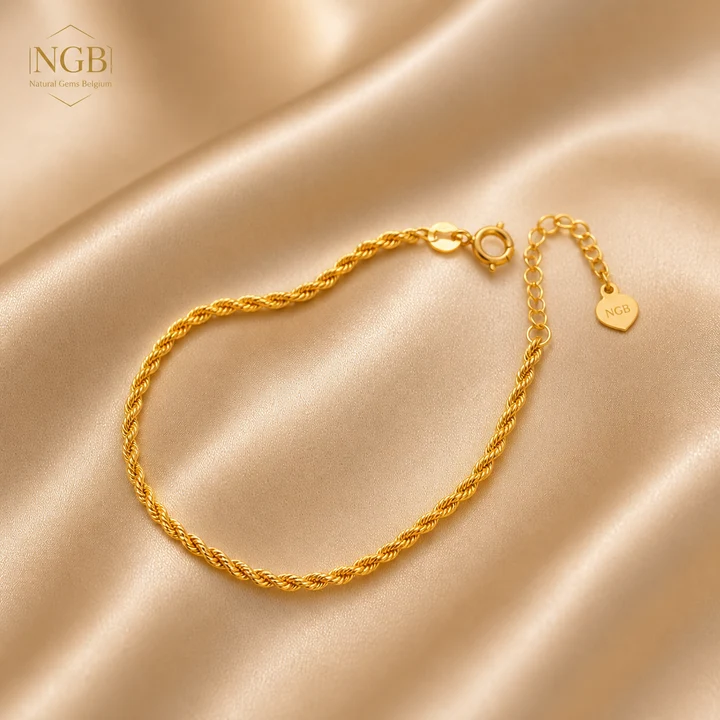
18K Yellow Gold Rope Chain Bracelet · Adjustable 15 · 18 cm · Luxury NGB Jewelry
$251.21 -
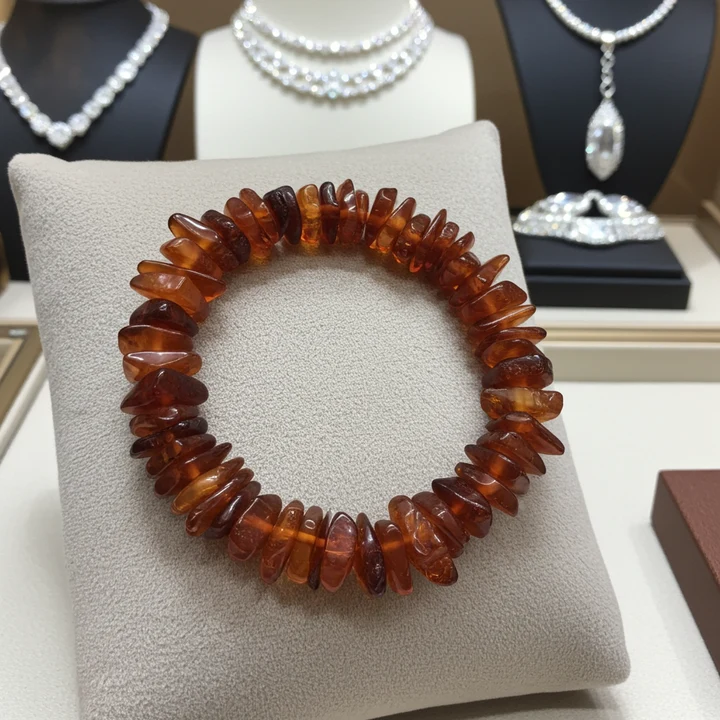
Baltic Amber Chip Bracelet 10 mm · Natural Dark Honey Amber Bead Bracelet
$32.67 -
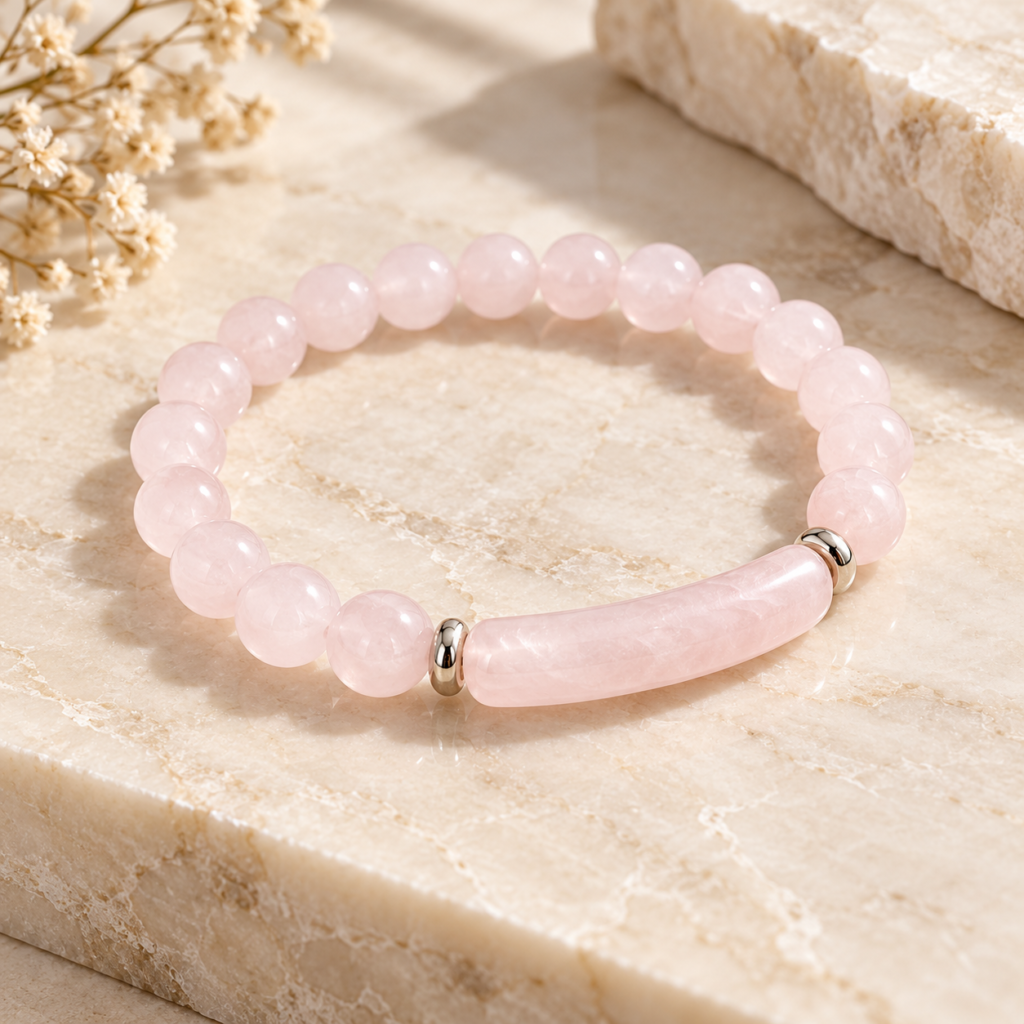
Bead Bracelet with bridge · Rose Quartz · 8mm · pink charm bracelet
$36.86 -
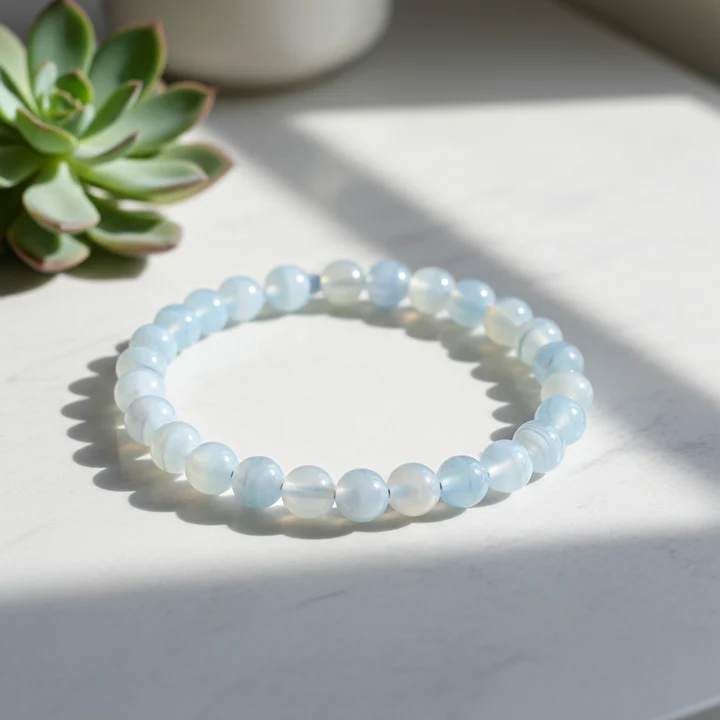
Beaded Bracelet · Agate · 6 mm beads · Blue lace agate
$22.10