Category Geology & Gem Formation

Metamorphic Gemstones: How Heat, Pressure and Rock Reactions Create Garnet, Kyanite and Corundum
Metamorphic Gemstones

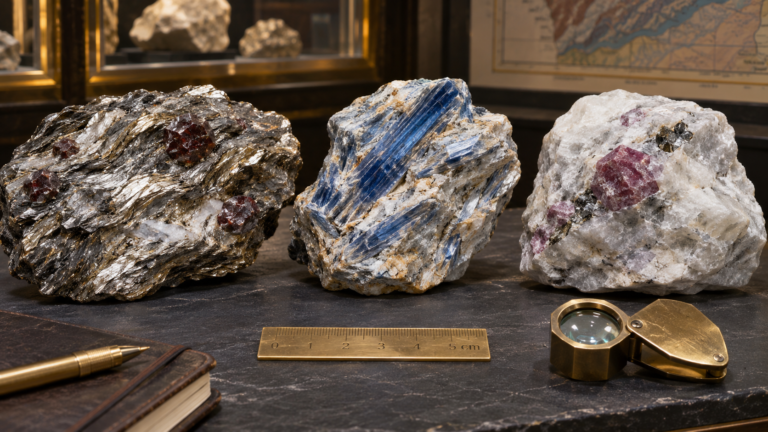
How can solid rocks produce beautiful gemstones without melting? Explore the science of metamorphic gemstone formation, including garnet, kyanite, ruby and sapphire. Discover how temperature, pressure, fluids and rock chemistry control mineral growth, why index minerals reveal metamorphic conditions, and what these geological processes can - and cannot - tell us about gemstone origin.
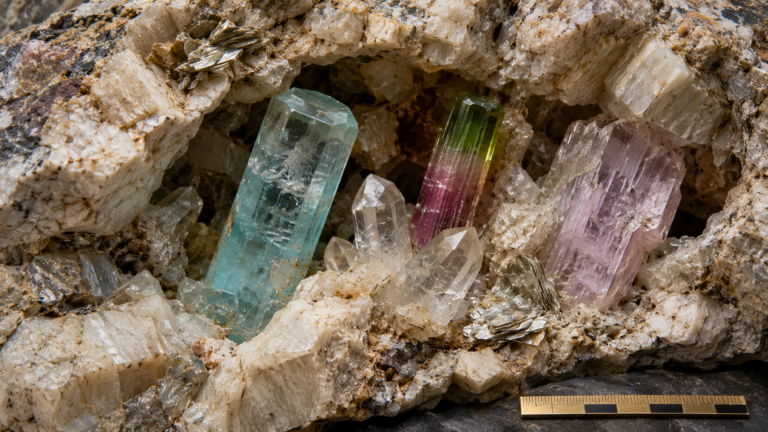
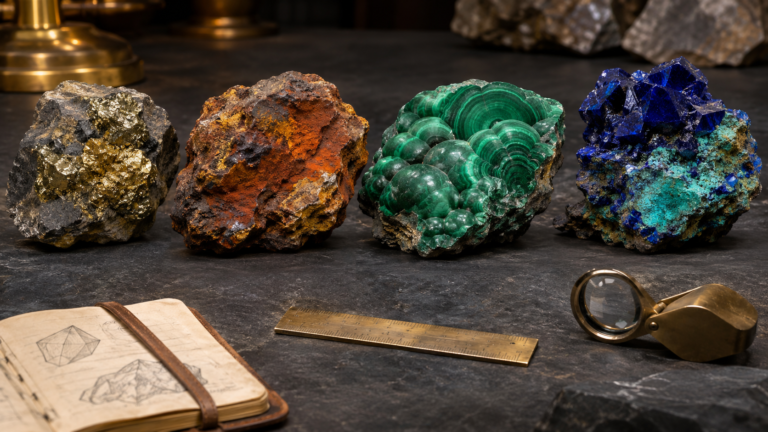
Pegmatite Pockets: How Giant Crystals and Gem-Quality Minerals Form

Pegmatite Pockets: How Giant Crystals and Gem-Quality Minerals Form

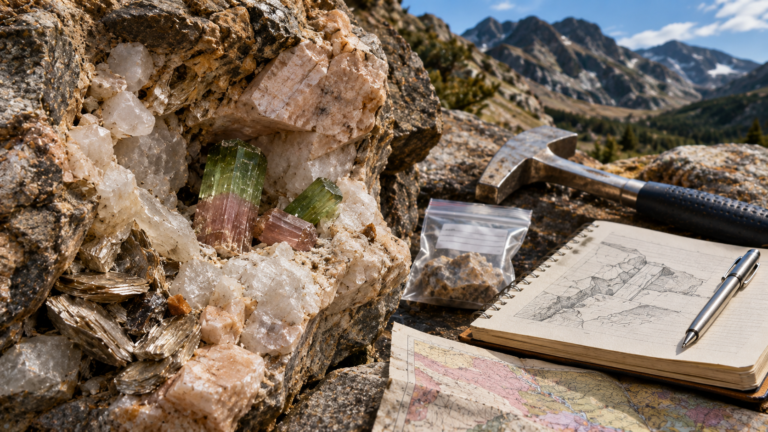
Why can some pegmatites produce enormous crystals while others contain exceptionally transparent gemstones? Explore the geological formation of granitic pegmatites, the role of water and fluxing components, the development of gem-bearing pockets, and the remarkable crystals of tourmaline, beryl, spodumene, quartz and topaz found within them.

Gemstone Weathering and Secondary Minerals: How Nature Transforms Crystal Deposits

Gemstone Weathering and Secondary Minerals

How can a copper deposit transform into brilliant green malachite, deep-blue azurite and blue-green chrysocolla? Explore the geological processes of mineral weathering, oxidation, groundwater transport and supergene enrichment. Learn how secondary minerals form, what they reveal about their geological environments, and why their colour alone cannot establish origin or authenticity.

Mineral Pseudomorphs: When One Mineral Preserves the Shape of Another

Mineral Pseudomorphs

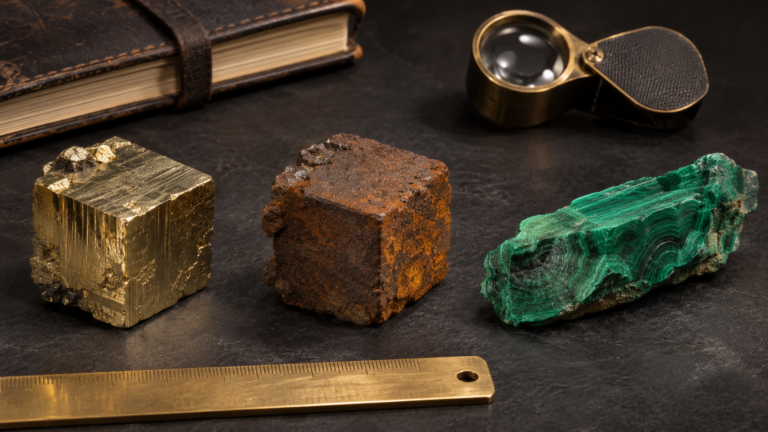
A crystal can preserve the external shape of a mineral that no longer exists inside it. Discover how pseudomorphs form through replacement, alteration and structural transformation, with examples from pyrite, goethite, azurite, malachite and calcite. Learn how mineralogists distinguish genuine pseudomorphs from coatings, casts and ordinary crystal growth.

Gemstone Growth Zoning: What Crystal Layers Reveal About Geological Formation

gemstone growth zoning gemstone colour zoning

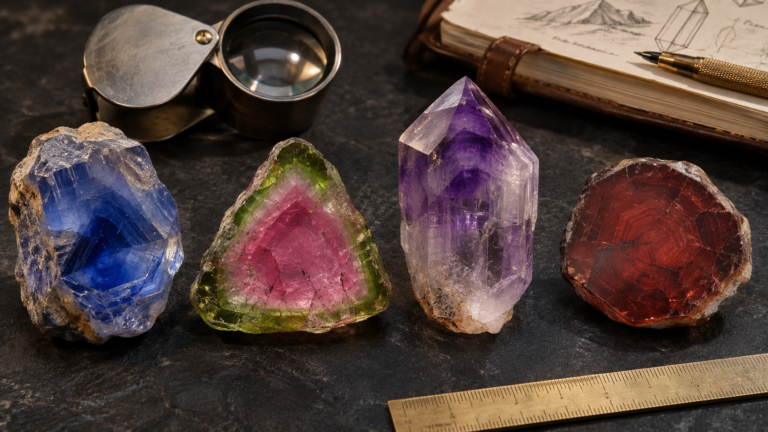
Natural gemstones can preserve internal layers, colour bands and chemical variations formed during crystal growth. Discover how oscillatory zoning, sector zoning and growth interruptions develop, what they reveal about changing geological conditions, and why visible colour bands do not automatically establish a gemstone's origin or authenticity.

Gemstone Crystal Habits: Why the Same Mineral Can Grow in Different Shapes

Gemstone Crystal Habits

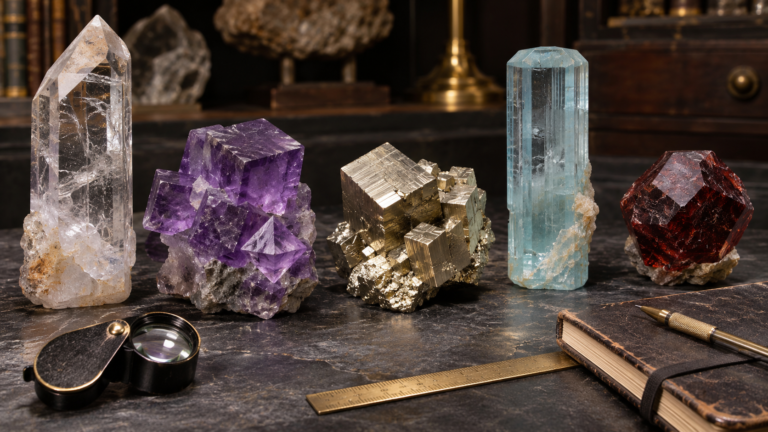
Why do some quartz crystals grow as long points while others develop compact shapes? Why can fluorite form cubes or octahedra, and what determines the natural forms of pyrite, garnet, beryl and tourmaline? Explore the science of crystal habit, crystallographic symmetry and mineral growth, and learn what natural crystal shapes can-and cannot-reveal about gemstone formation.

How Gemstone Deposits Are Discovered: From Geological Exploration to the First Rough Crystals

gemstone deposits

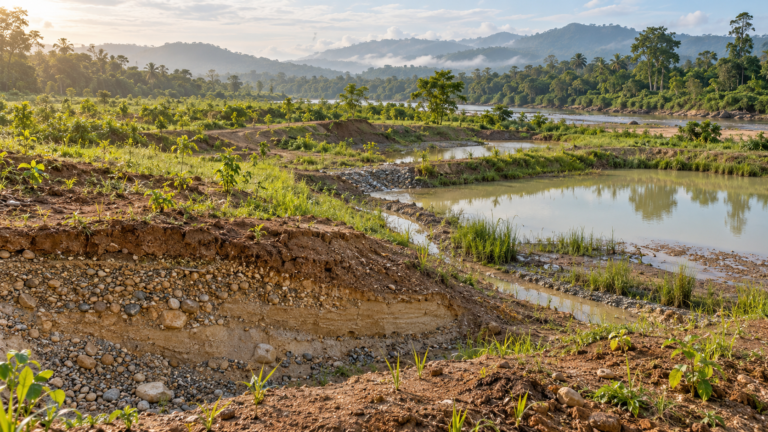
How do geologists discover new gemstone deposits? Explore the scientific process behind gemstone exploration, from geological maps and mineral indicators to pegmatite pockets, alluvial sapphire gravels and hydrothermal emerald deposits. Learn why finding beautiful rough crystals is only the beginning - and what determines whether a discovery can become a productive mine.

Gemstone Mining Through the Ages: From Ancient River Deposits to Modern Geological Exploration

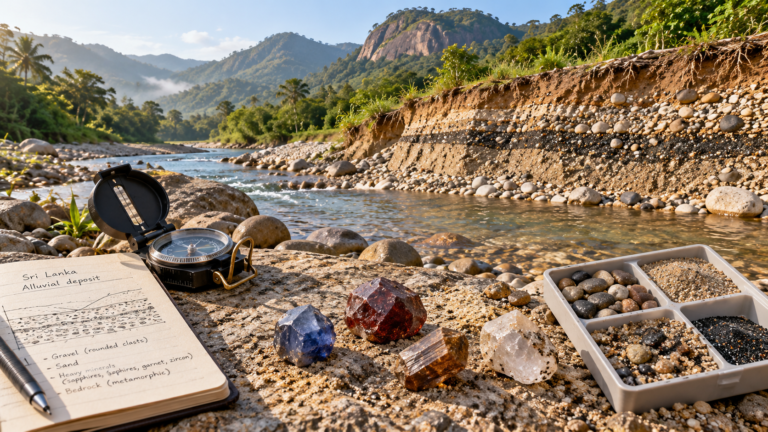
gemstone mining : Natural rough sapphire, garnet and zircon beside a gemstone-bearing river gravel deposit in a geological exploration setting.

Gemstone mining ; How did ancient miners discover gemstones, and how do modern geologists locate valuable deposits? Explore the geological journey from gemstone formation to mining, including primary deposits, alluvial gravels, pegmatites and historic mining regions. Discover how erosion concentrates gemstones, why different minerals can occur together, and how geological exploration has transformed gemstone discovery.

The Geological Journey of Diamonds: From Earth’s Mantle to the Surface

how natural diamonds form

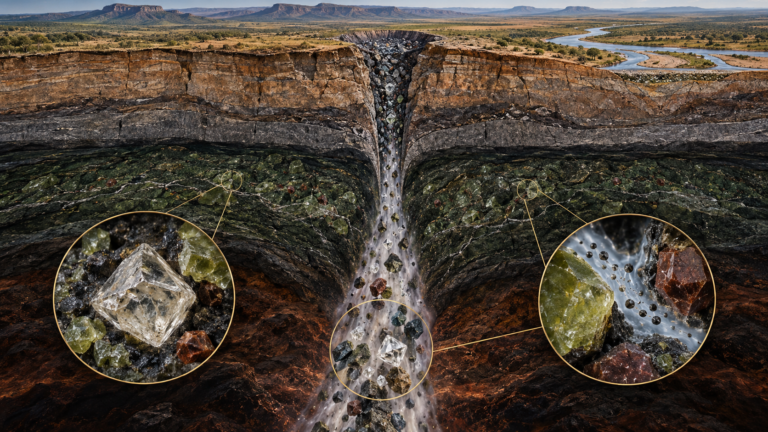
Natural diamonds have one of the most extraordinary geological histories of any gemstone. Formed deep within Earth's mantle, some diamonds remain preserved for billions of years before powerful volcanic eruptions transport them toward the surface. Explore diamond formation, ancient continental roots, kimberlite volcanism, superdeep diamonds and the scientific evidence hidden inside these remarkable crystals.