
Develop practical gemmological skills through step-by-step guides focused on gemstone observation, examination and the correct use of essential gemmological instruments. Learn how tools such as the 10× loupe, gemmological microscope, refractometer, polariscope, dichroscope and spectroscope are used to investigate natural gemstones, interpret observations and support reliable gemstone identification.
Explore Practical Gemmology
Practical gemmology combines careful observation with the correct use of specialised instruments. These guides focus on practical examination techniques, instrument handling and the interpretation of gemmological observations, helping you understand not only how a tool is used, but also what its results can — and cannot — reveal about a gemstone.
Latest Practical Gemmology Guides
-
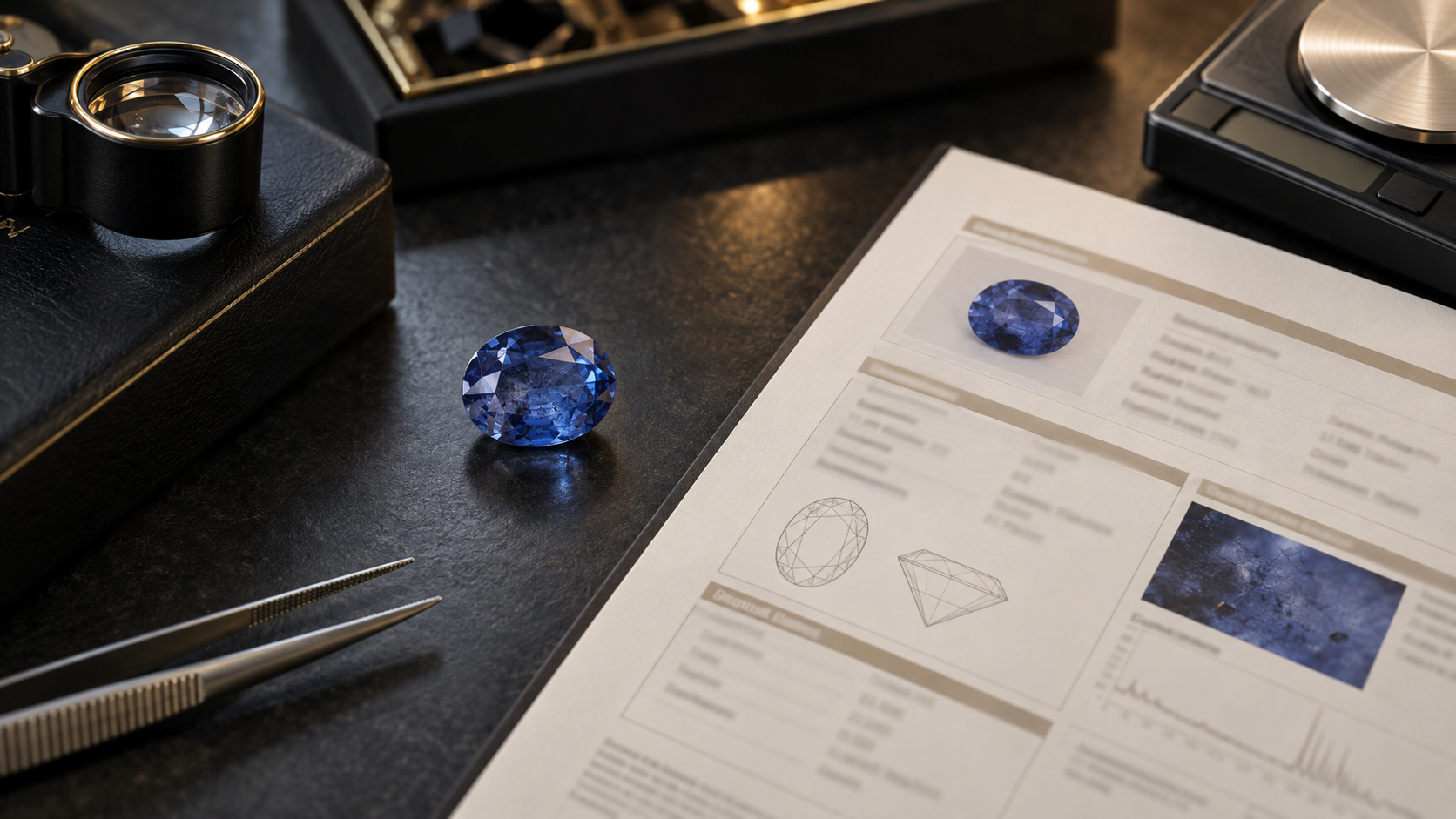
How to Read a Gemstone Laboratory Report: What It Tells You—and What It Does Not
-
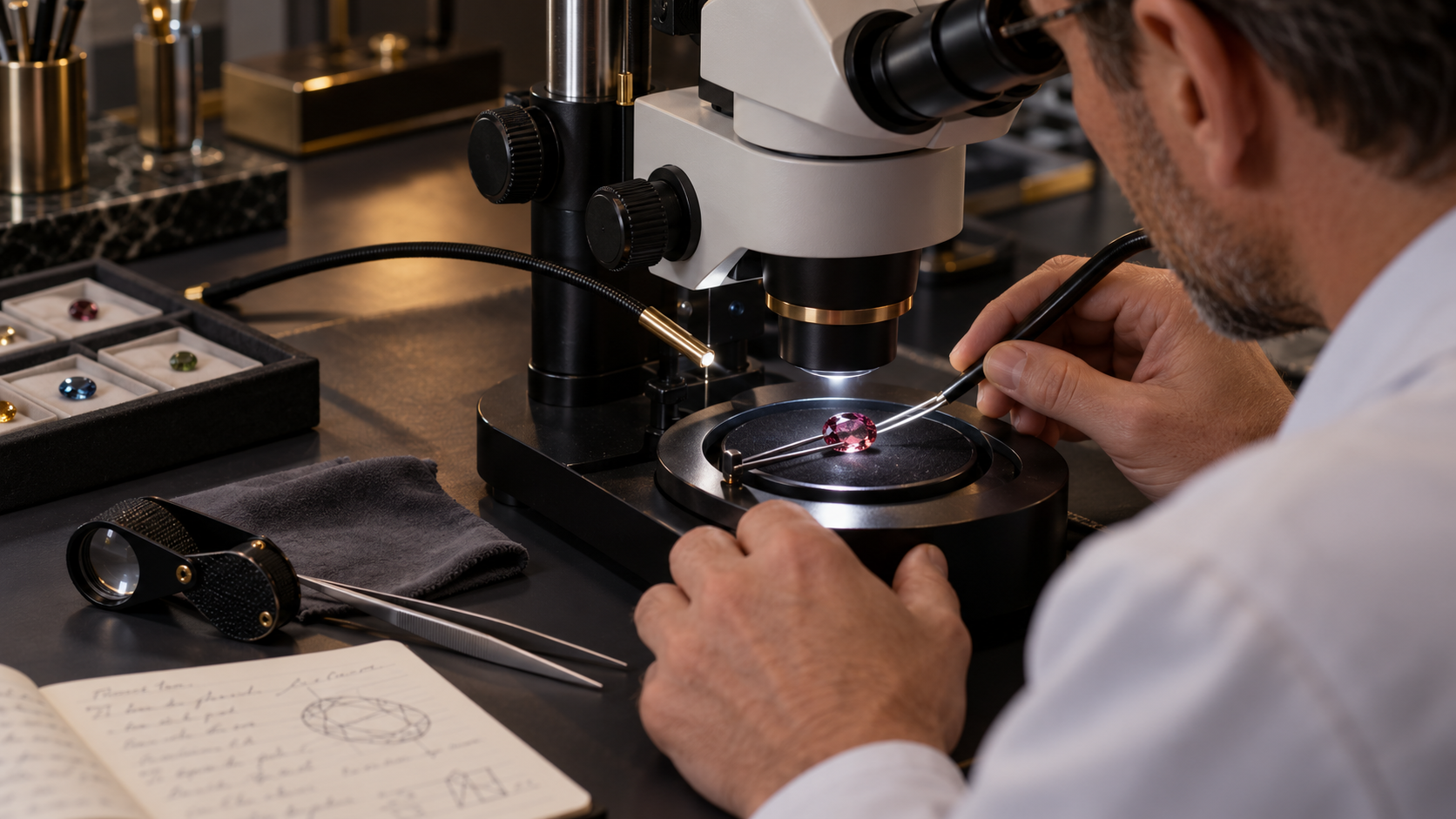
How to Examine a Gemstone Under Magnification: A Practical Loupe & Microscope Workflow
-
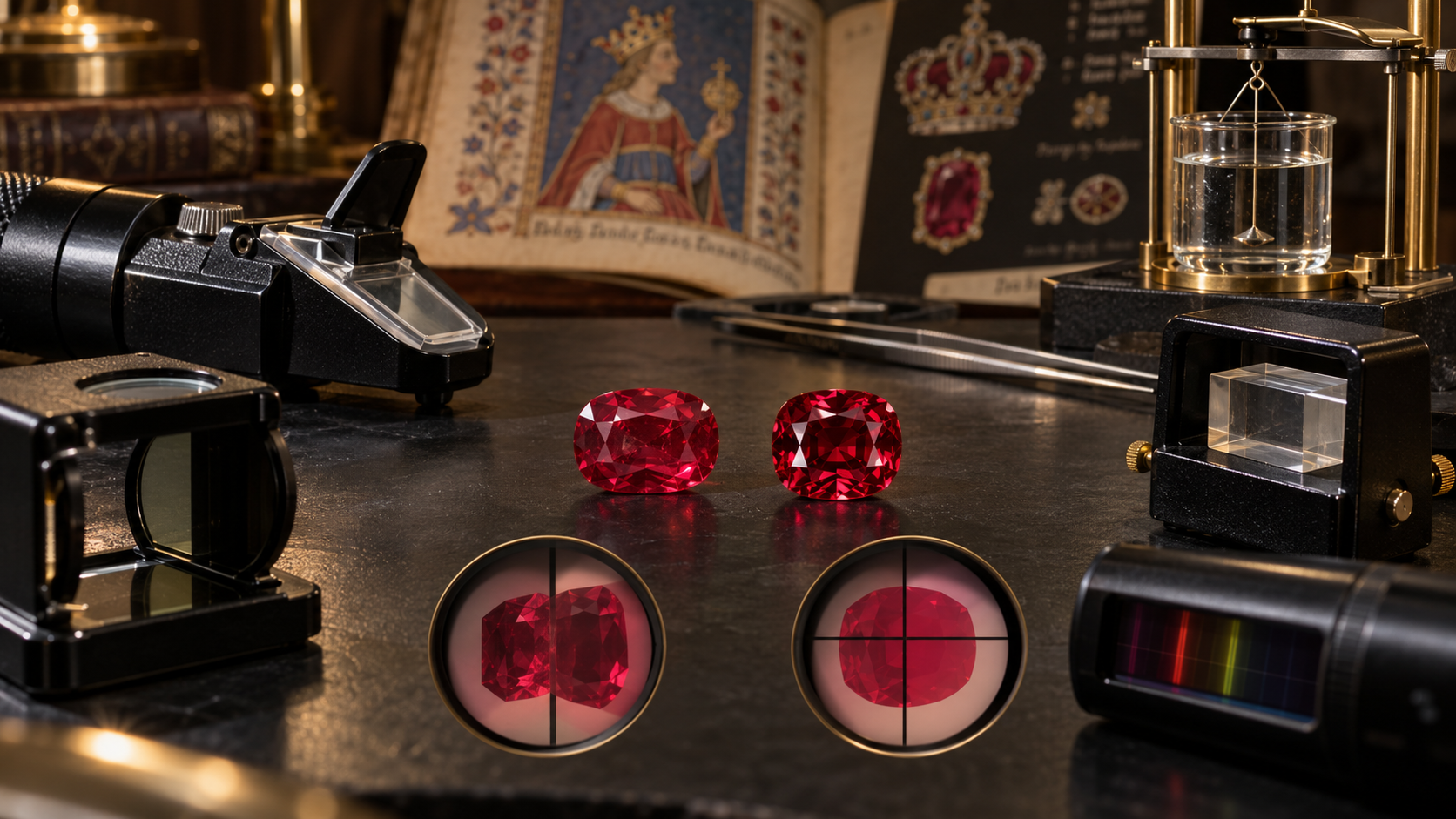
Unknown Stone Workshop 4 — Ruby or Red Spinel?
-
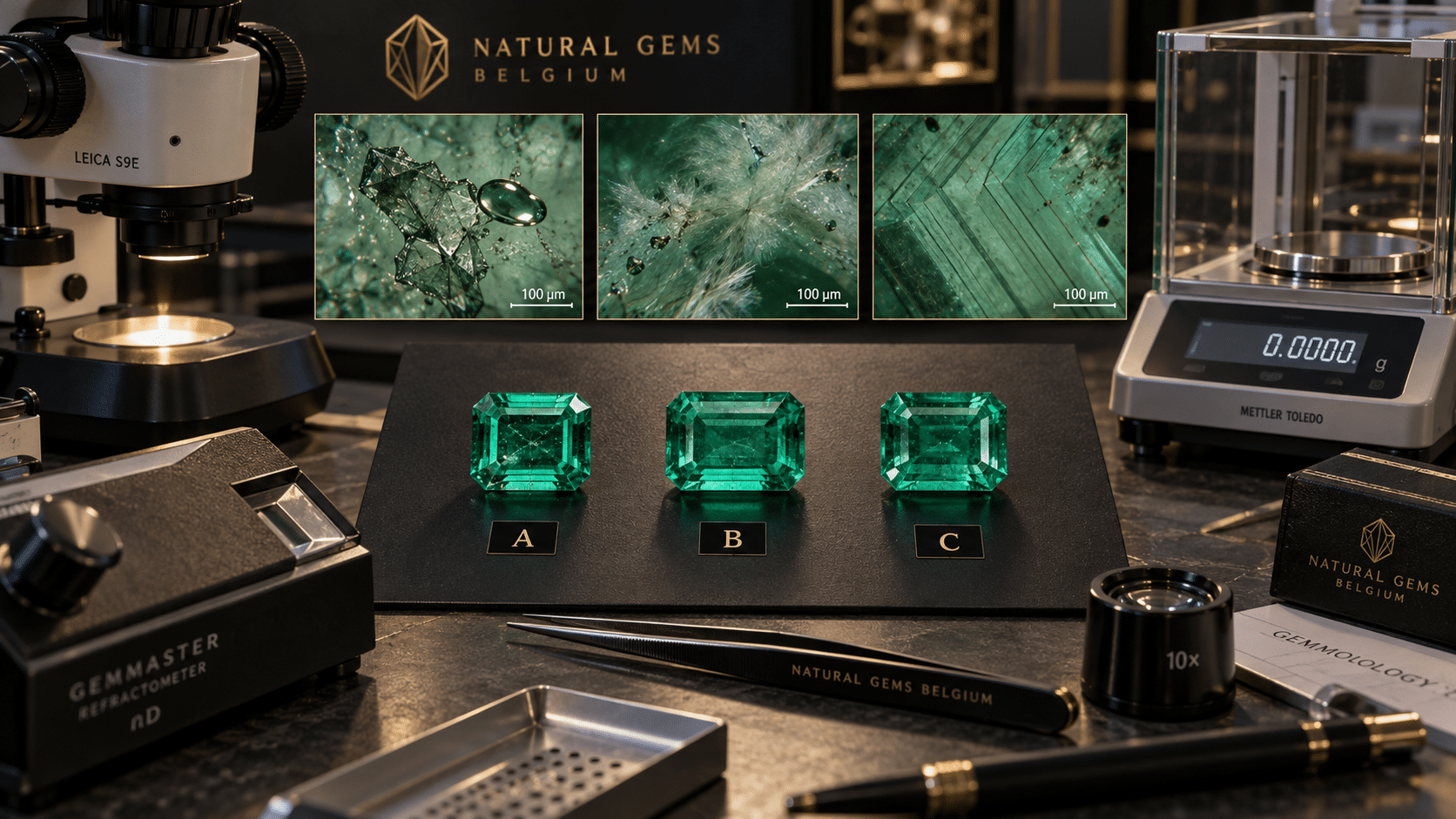
Unknown Stone Workshop — Natural Emerald vs Flux-Grown vs Hydrothermal Synthetic Emerald
-
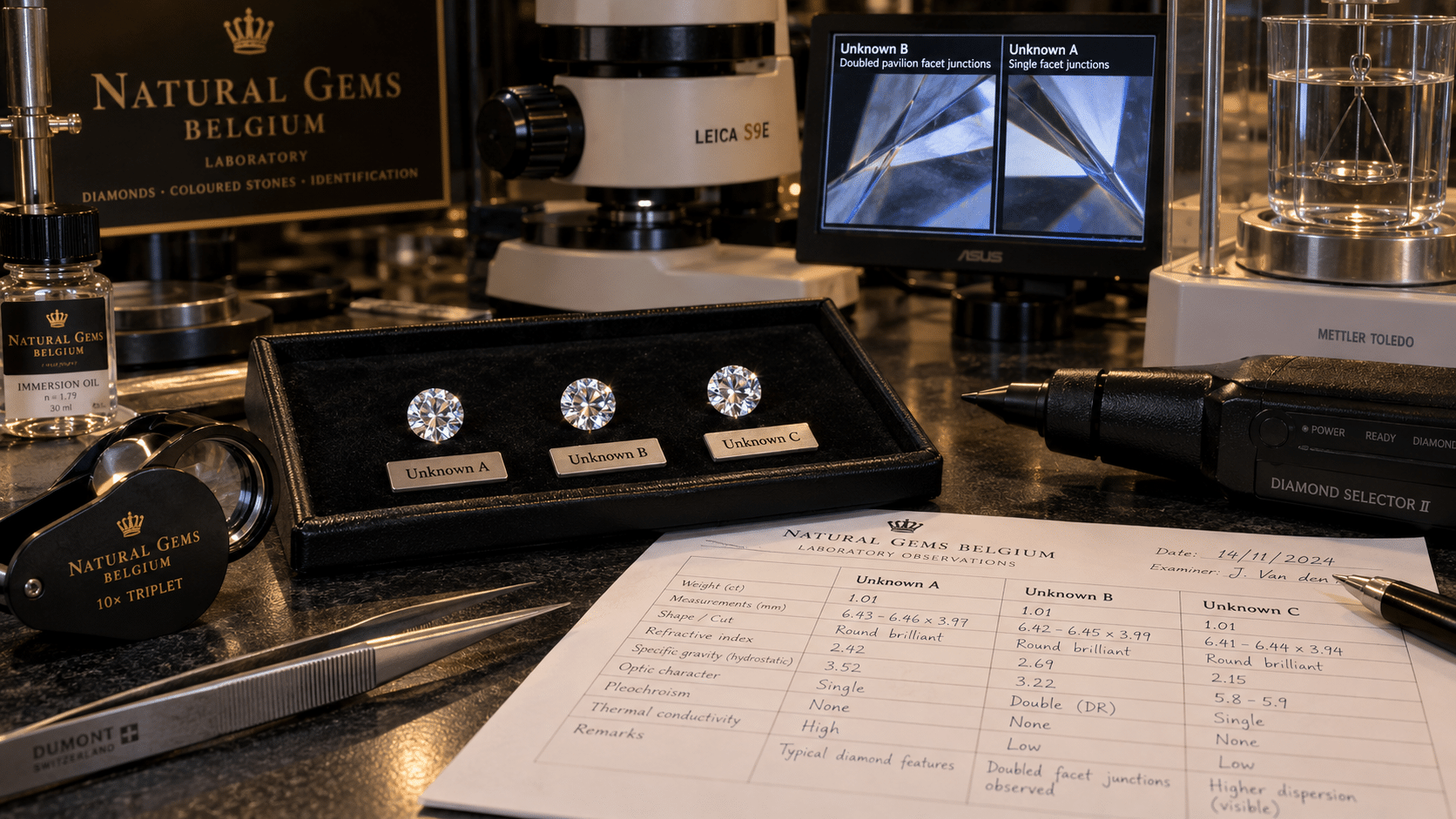
Diamond, Moissanite or Cubic Zirconia? A Practical Identification Workshop
-
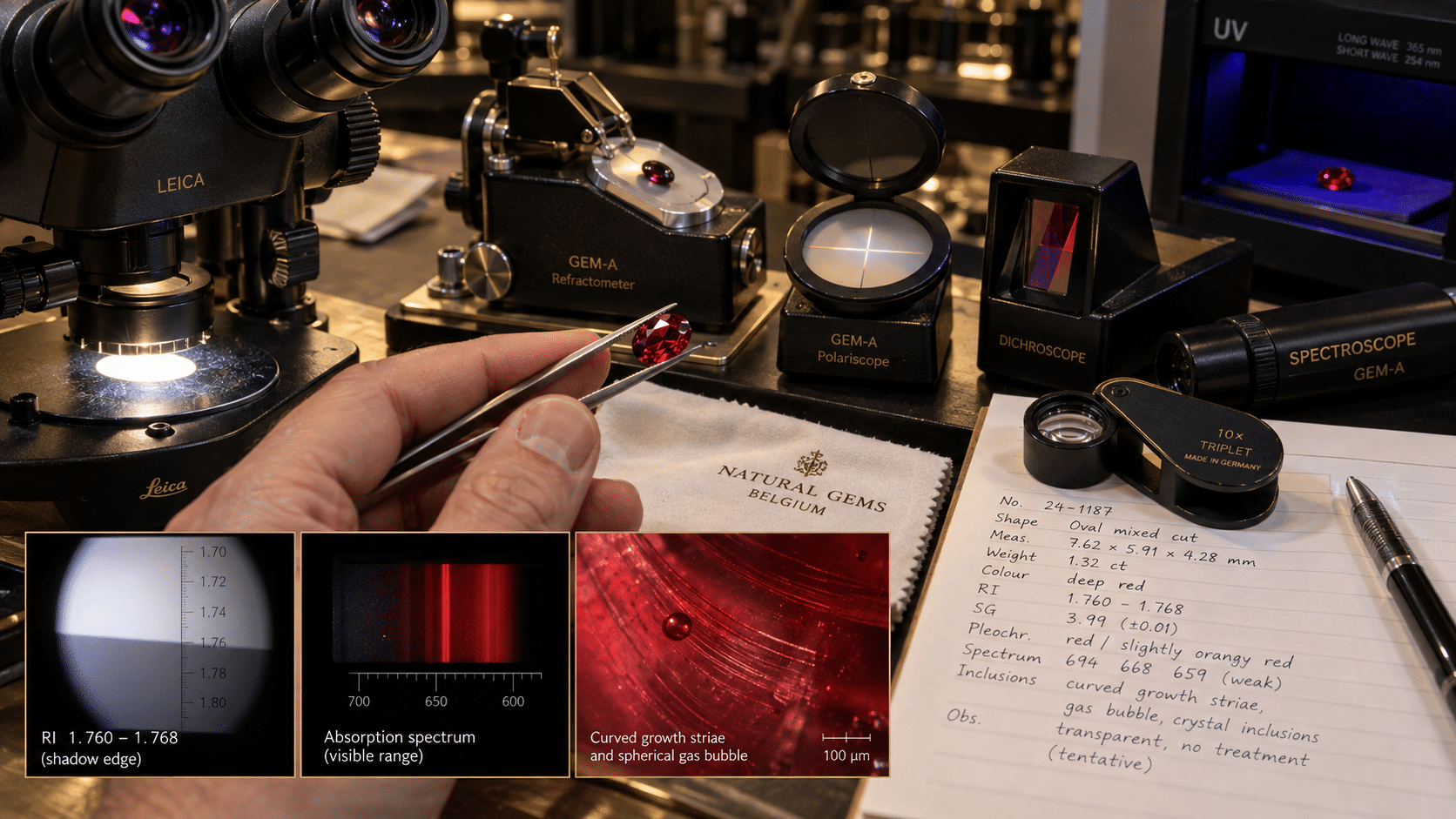
Natural or Synthetic? A Practical Gemstone Identification Workshop
-
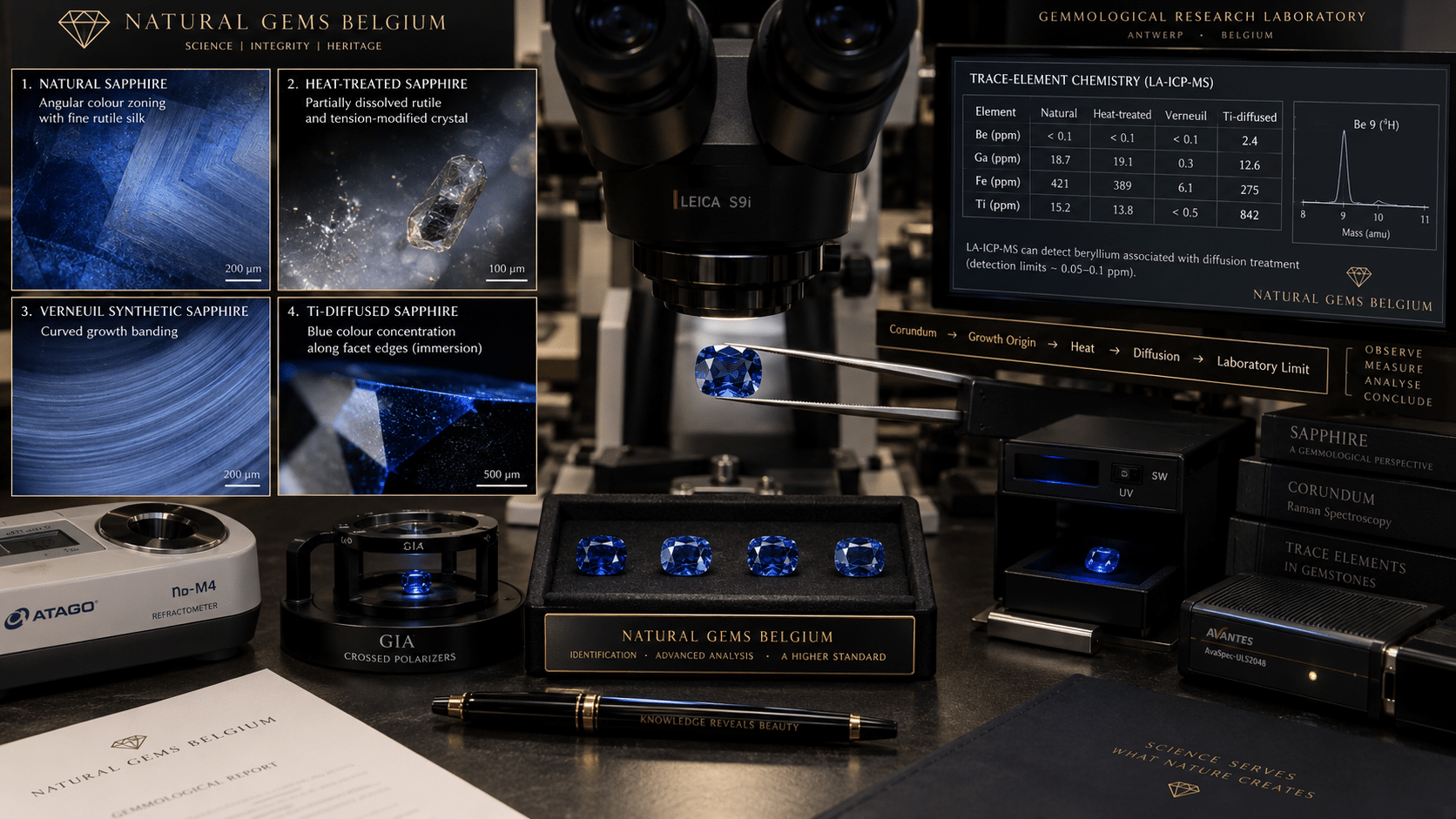
Natural, Synthetic or Treated? A Sapphire Identification Workshop
-
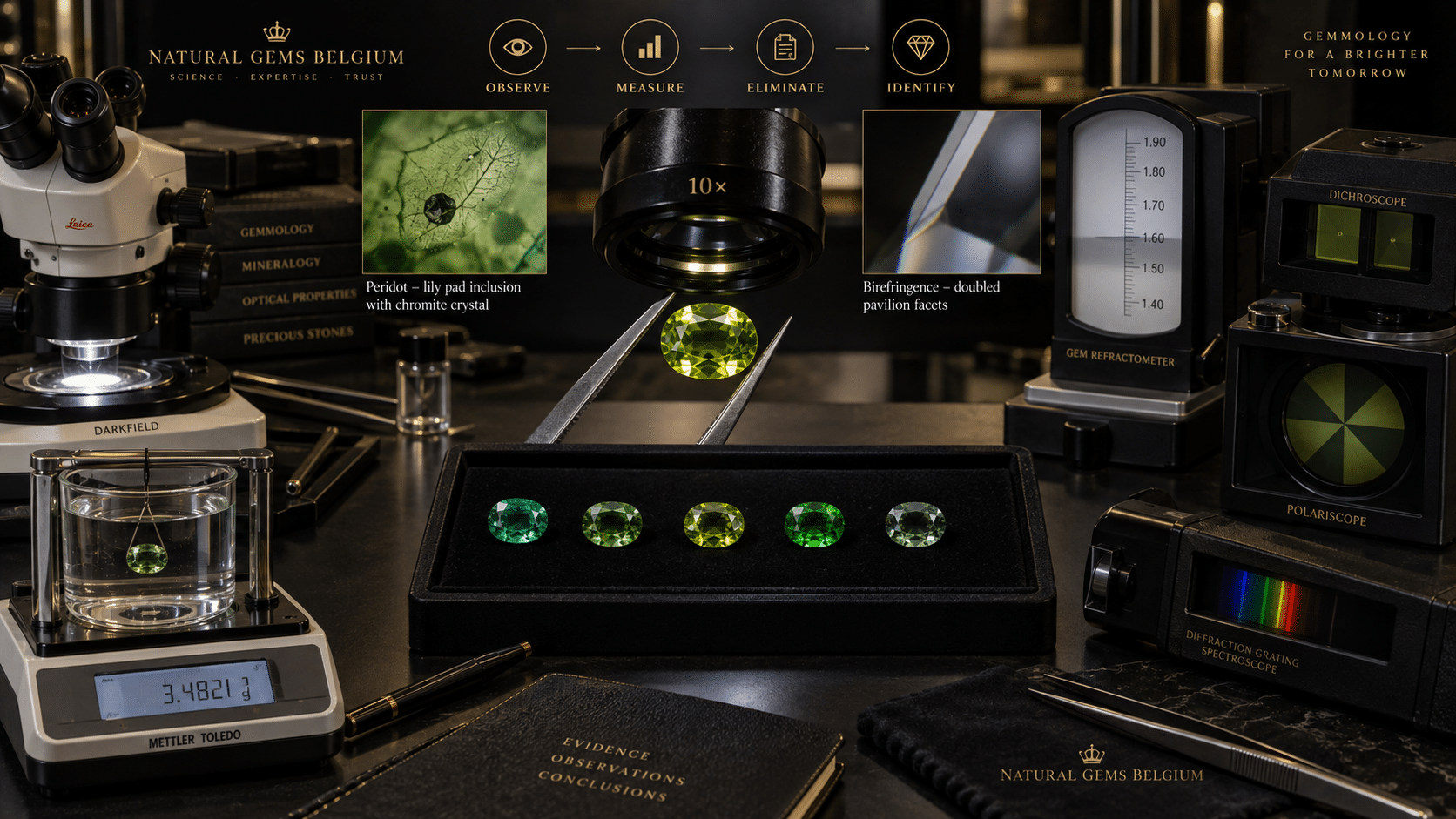
Identify A Green Gemstone Workshop: Emerald, Tourmaline, Peridot, Tsavorite or Glass?
-
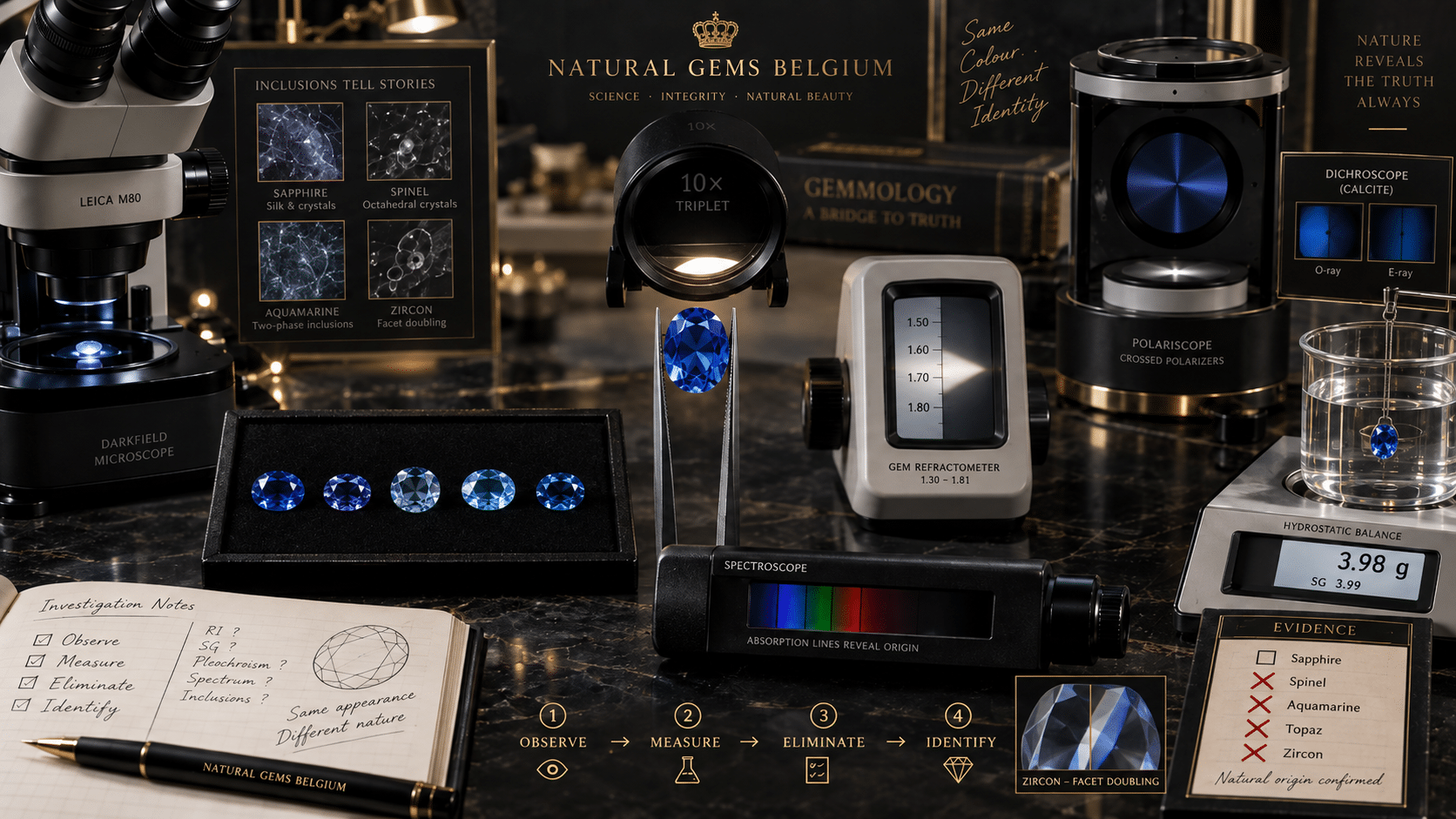
Identify A Blue Gemstone Workshop: Sapphire, Spinel, Aquamarine, Topaz or Zircon?
-
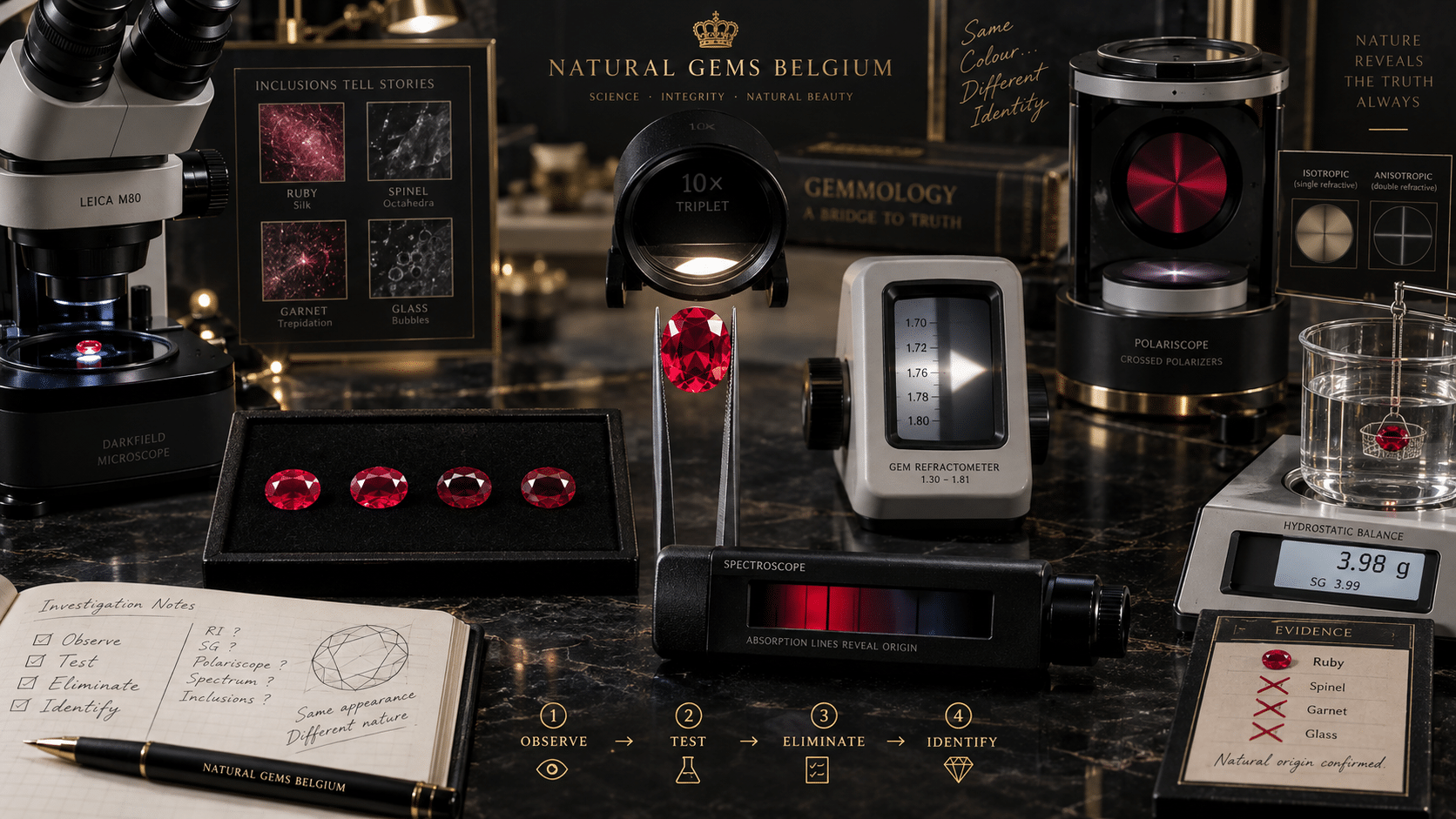
Unknown Red Gemstone Workshop: Ruby, Spinel, Garnet or Glass?