Category Gemstones, Religion & Mythology

Gemstones and the Gods of Ancient Greece: Divine Symbolism, Sacred Traditions and Mythology
greek mythology gemstones

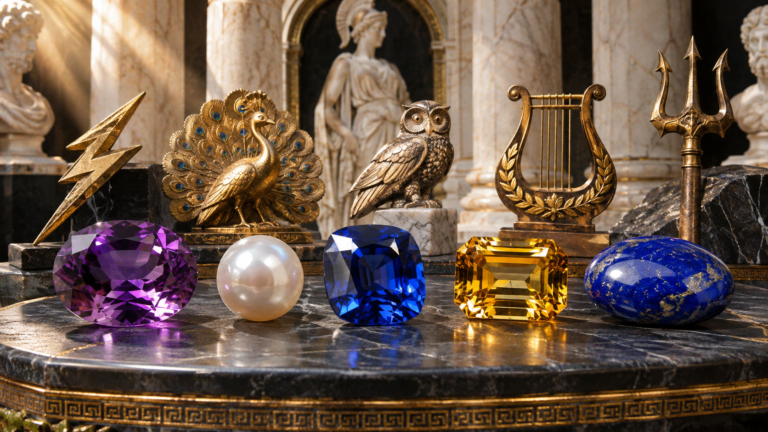
What connected gemstones with the gods of ancient Greece? Explore the religious symbolism, mythology, protective amulets and sacred traditions surrounding Zeus, Hera, Athena, Apollo and Poseidon. Discover how precious stones became part of Greek spiritual life, and where ancient evidence differs from modern gemstone interpretations.
The Black Stone of the Kaaba: Sacred Stone, Islamic Pilgrimage and the Meaning of Reverence

The Black Stone of the Kaaba

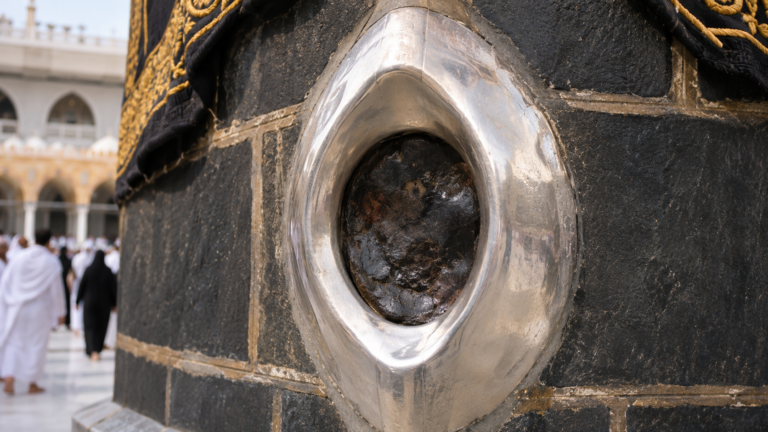
Set into the eastern corner of the Kaaba in Mecca, the Black Stone - known as al-Ḥajar al-Aswad - occupies an extraordinary place in Islamic religious history. Revered by pilgrims as part of the rites of Hajj and Umrah, it illustrates the distinction between sacred meaning, religious tradition and the physical properties of a natural object. Discover its documented history, the role of the stone in pilgrimage, and why its mineralogical identity remains uncertain.

Pearls in Byzantine Christianity: Sacred Crosses, Imperial Jewellery and the Meaning of Divine Light

Pearls in Byzantine Christianity

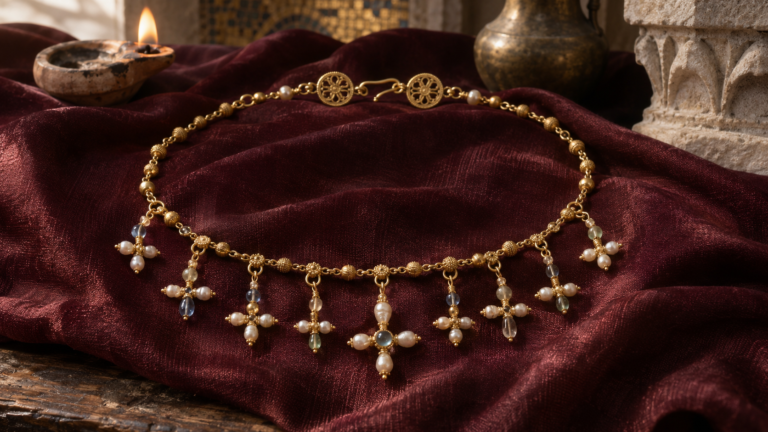
In the Byzantine world, luminous pearls decorated elaborate gold jewellery, Christian crosses and prestigious personal ornaments. Surviving objects from the sixth and seventh centuries reveal how natural beauty, religious devotion and imperial culture intersected. Explore the historical evidence behind Byzantine pearl symbolism, the science of pearl formation and the difference between documented Christian beliefs and modern crystal-healing interpretations.

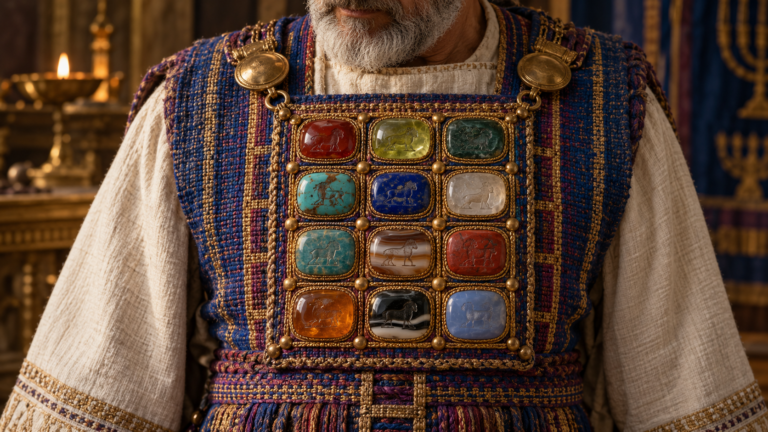
The Twelve Stones of the High Priest: Biblical Gemstones, Sacred Memory and the Mystery of Their True Identities

Biblical High Priest gemstones

The Book of Exodus describes an extraordinary sacred garment: a breastpiece set with twelve precious stones, each engraved with the name of one of the tribes of Israel. Yet identifying those stones is far more difficult than modern Bible translations suggest. Was sappir really sapphire? Could yahalom have been diamond? Recent philological and archaeogemological research challenges several familiar identifications. Discover how gemstones became symbols of remembrance, collective identity and priestly service—and why the original stones remain one of biblical gemmology’s most fascinating mysteries.

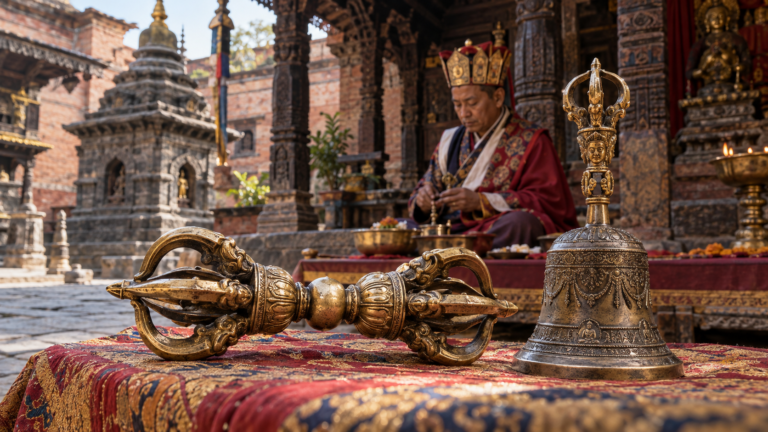
Diamond and Thunderbolt: The Sacred Vajra in Nepalese Buddhism and Its Symbolism of Indestructibility

Vajra diamond symbolism

In the Buddhist traditions of Nepal and the Himalayas, the diamond represents far more than material wealth. Its exceptional hardness inspired the symbolism of the vajra, a ritual implement associated with indestructible wisdom, compassionate action and spiritual awakening. Explore the remarkable history of the vajra, its relationship with ancient Indian thunderbolt imagery, the ceremonial traditions of Nepalese Vajracharya priests and the extraordinary gemstone-encrusted religious objects preserved in major museum collections. This investigation reveals how the physical characteristics of a natural gemstone became a powerful religious metaphor.

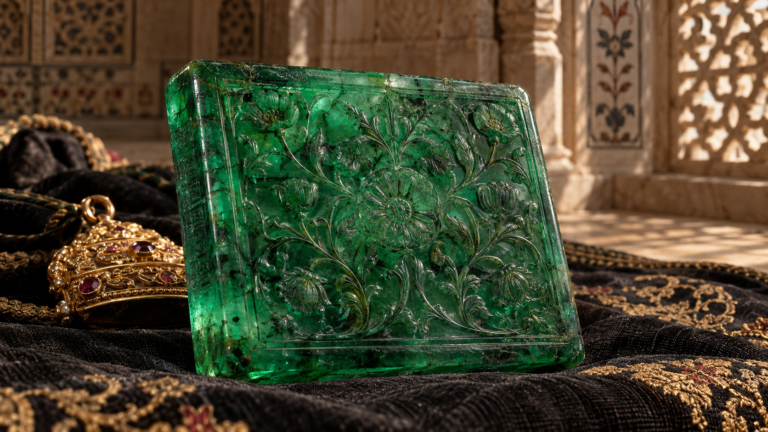
Emeralds Inscribed with Prayer: Sacred Gemstones, Protection and Belief in Mughal India

Mughal emerald spiritual symbolism

In seventeenth-century Mughal India, an emerald could become much more than a precious gemstone. Some were engraved with prayers, religious invocations or royal inscriptions, transforming remarkable natural crystals into objects of spiritual and political significance. The extraordinary 217.8-carat Mogul Mughal Emerald, dated 1695–1696, preserves a Shi'a devotional inscription on one side and delicate floral carving on the other. Discover the history of these exceptional gemstones, their journeys from Colombian mines to Indian courts, and the important distinction between documented religious traditions and modern claims about crystal energy.

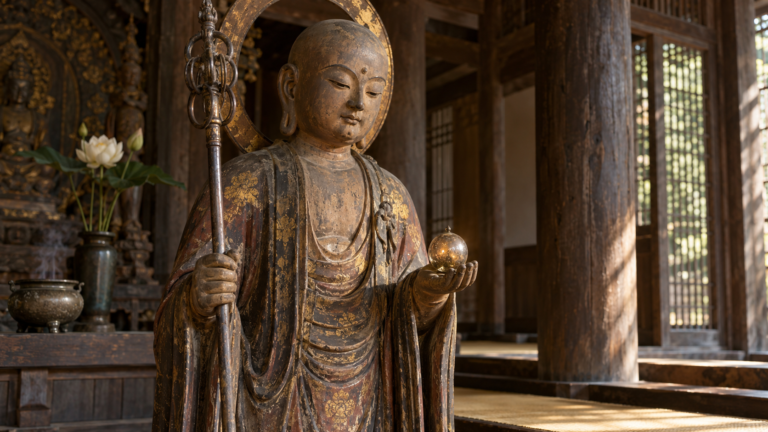
The Wish-Fulfilling Jewel in Buddhism: Cintāmaṇi, Enlightenment and the Symbolism of the Flaming Gem

wish-fulfilling jewel buddhism in medieval Japanese devotional culture

One of Buddhism's most fascinating “gemstones” may not represent a mineral at all. The cintāmaṇi, or wish-fulfilling jewel, appears in Buddhist art as a radiant or flaming gem held by bodhisattvas and surrounded by sacred imagery. Rather than an ancient crystal-healing stone, it belongs to a sophisticated religious language in which preciousness, luminosity and inexhaustible value could evoke Buddhist teachings, compassion and enlightenment.

Rock Crystal in Medieval Christianity & Islam: Purity, Light and Sacred Meaning

rock crystal spiritual meaning

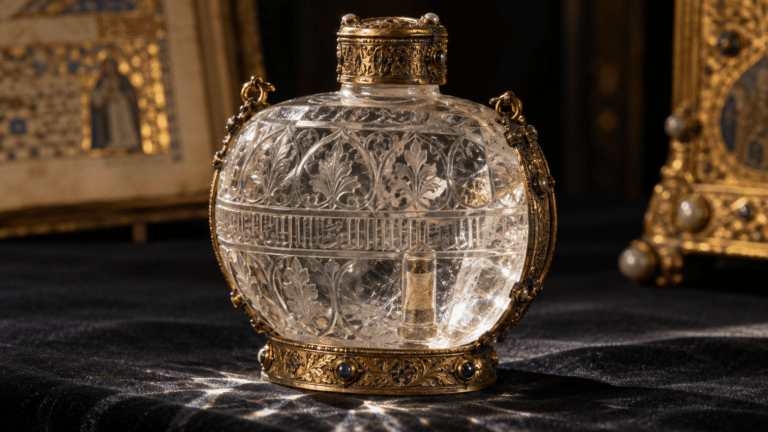
Clear quartz is often presented today as a universal “master healer,” but rock crystal possessed very different meanings in medieval cultures. Discover how Fatimid artisans transformed quartz into prized luxury vessels and how some of those objects later became Christian reliquaries—creating a remarkable material journey between Islamic and Christian worlds.